Key Takeaways
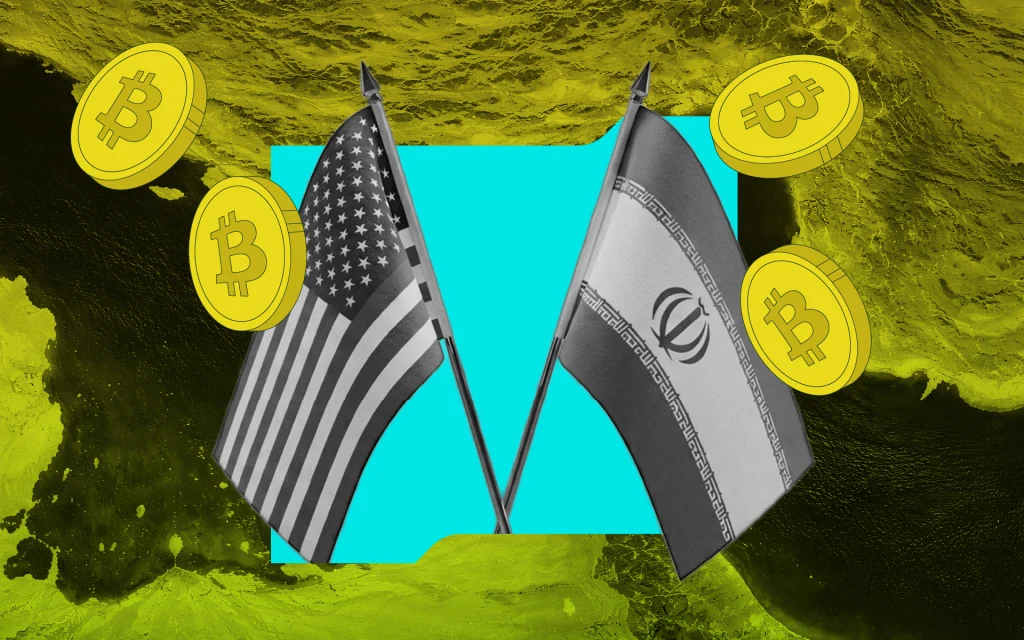
- Hormuz Safe is a reported Bitcoin-based maritime insurance platform tied to ships passing through the Strait of Hormuz.
- The system would allow vessels to pay insurance premiums in Bitcoin and other cryptocurrencies, bypassing SWIFT and Western sanctions.
- Iran and other sanctioned nations are increasingly exploring crypto for trade, oil payments, and cross-border financial activity.
The Strait of Hormuz handles roughly 20% of the world’s oil trade, making it one of the most important shipping routes on the planet.
Now Iran is trying to turn that strategic position into a crypto-powered business.
Reports from Iranian and regional media outlets claim the country is developing a maritime insurance platform called Hormuz Safe.
The system would reportedly offer “safe passage” coverage for ships traveling through the Strait of Hormuz while accepting payments in Bitcoin (BTC) and other cryptocurrencies.
What Is Hormuz Safe?
Hormuz Safe is a reported digital maritime insurance platform allegedly developed by Iran’s Ministry of Economy in mid-May 2026.
The platform would reportedly provide insurance coverage for ships and cargo moving through the Strait of Hormuz and the Persian Gulf.
This includes protection against risks such as collisions, cargo damage, accidents, and environmental incidents.
According to regional reports, the process would work entirely online.
Ship operators or cargo owners would select a policy, pay premiums using Bitcoin or other crypto assets, and receive digital proof of coverage once the blockchain transaction is confirmed.
The setup would allow transactions to move outside traditional banking systems and insurance rails tied to SWIFT — a network many sanctioned countries struggle to access.
Instead of relying on international banks or Western insurers, payments would move directly through blockchain networks.
For Iran, that creates two advantages: generating revenue in assets that are harder to freeze and maintaining tighter control over shipping activity tied to its waters.
However, important questions remain around the platform itself.
At the time of writing, no verified public website or active portal for Hormuz Safe appears to be publicly accessible.
Reports about the project largely trace back to Iranian state-linked and regional media outlets, including Fars News Agency.
Maritime security firms have also warned that scammers are already attempting to exploit the situation by impersonating officials and demanding fake crypto payments for “safe passage” clearances.
Iran Is Already Using Crypto Around Oil Trade
Hormuz Safe did not appear out of nowhere.
Iran has increasingly turned to crypto as sanctions continue limiting access to global financial systems and international trade channels.
Earlier in 2026, reports emerged that vessels transiting the Strait of Hormuz were being asked to pay crypto-based tolls for safe passage.
According to those reports, shipping operators were sometimes required to pay in Bitcoin, USDT, or Chinese yuan.
Fees reportedly would reach up to $2 million per tanker in some cases.
Payments were reportedly processed quickly through blockchain transfers rather than traditional banking systems.
While many of those claims remain difficult to independently verify, Hormuz Safe appears to fit into the same broader strategy.
Using crypto infrastructure to manage trade, shipping, and payments outside Western-controlled financial networks.
The situation has also created opportunities for fraud.
Maritime security groups, including MARISKS, have reportedly issued warnings about phishing campaigns and fake clearance requests targeting shipping operators.
Some scammers have allegedly posed as Iranian port or maritime officials to demand Bitcoin or Tether payments.
Why Sanctioned Countries Are Turning to Crypto
Iran is not the only country moving in this direction.
Countries facing heavy sanctions, including Russia, have increasingly explored crypto as a way to keep trade moving while reducing dependence on the US dollar and Western banking systems.
Iran has already legalized crypto for certain imports and expanded state-backed Bitcoin mining operations using surplus energy resources.
The country reportedly uses crypto for imports, trade settlements, and access to foreign goods.
Russia has also experimented with crypto-based settlement systems for oil trade and cross-border payments with countries like China and India.
The appeal is straightforward.
Crypto transactions move faster, operate outside traditional banking rails, and are generally harder for foreign governments to block or seize.
That does not mean crypto fully replaces the global financial system. Liquidity issues, volatility, and regulatory risks continue to pose major limitations.
But for sanctioned economies, digital assets increasingly serve as an alternative financial layer when access to traditional systems becomes restricted.
Hormuz Safe fits directly into that trend.
Rather than simply using crypto for payments, Iran is now reportedly experimenting with combining shipping, insurance, trade routes, and digital assets into a single economic framework tied to one of the world’s most important maritime chokepoints.
Building Parallel Systems
The bigger story behind Hormuz Safe is not just about Bitcoin.
It is about how countries under financial pressure are starting to build parallel systems outside the traditional Western-led financial order.
The Strait of Hormuz already gives Iran enormous strategic leverage because so much global energy trade passes through it.
Now the country appears to be experimenting with ways to turn that geographic advantage into a crypto-powered financial system as well.
Whether Hormuz Safe succeeds at scale remains unclear.
Questions around adoption, enforcement, insurance reliability, and international reaction still remain.
But the launch shows how crypto is increasingly being used far beyond trading and speculation.
For countries facing sanctions, digital assets are becoming tools for trade, infrastructure, and economic survival.

Prashant Jha is a seasoned crypto journalist based in Delhi, India, with a Bachelor’s Degree in Computer Science Engineering. Passionate about the evolving world of blockchain and cryptocurrencies, he has been a dedicated voice in the industry since 2018. Prashant’s expertise lies in regulatory reporting, where he unravels complex legal and financial developments with clarity and precision. Before joining CCN in 2024, he honed his craft at Cointelegraph, establishing himself as a trusted name in crypto journalism.
His coverage spans major industry events, including the high-profile collapses of FTX, Three Arrows Capital (3AC), and LUNA, offering readers insightful analyses of their regulatory and market implications. Prashant’s technical background enables him to bridge the gap between intricate blockchain technology and its real-world applications, making his work accessible to novices and experts.
Beyond his professional pursuits, Prashant is an avid music enthusiast, often exploring diverse genres to unwind. A sports lover, he has a particular passion for cricket and frequently engages in discussions about the game. His multifaceted interests and sharp journalistic instincts make him a valuable contributor to CCN, where he continues shaping the crypto landscape's narrative.