Key Takeaways
- Iran has reportedly set up an IRGC-controlled toll system in the Strait of Hormuz.
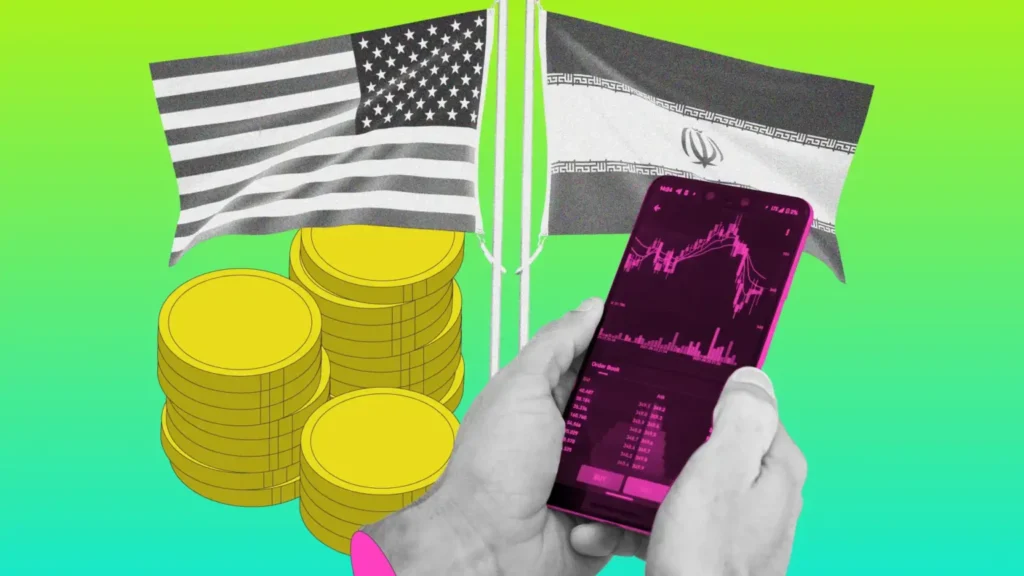
- Ships are said to pay in Chinese yuan or stablecoins to secure passage.
- The system reflects broader efforts to bypass sanctions and reduce reliance on the U.S. dollar.
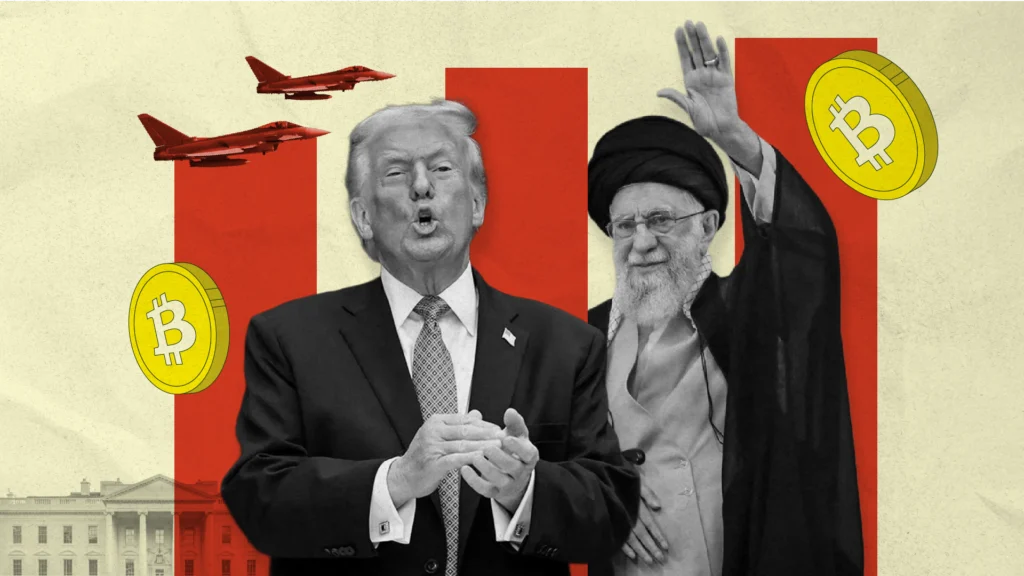
In a bold escalation of its control over one of the world’s most critical energy chokepoints, Iran has transformed the Strait of Hormuz into a de facto toll booth.
Ships seeking safe passage must now navigate a vetting process run by the Islamic Revolutionary Guard Corps (IRGC), with payments accepted in Chinese yuan or cryptocurrency—particularly stablecoins.
How Ships Are Getting Through Hormuz
The Strait of Hormuz, through which roughly one-fifth of global oil and liquefied natural gas passes daily, has long been a flashpoint.
However, recent developments show Iran formalizing its grip.
According to Bloomberg and industry sources, ship operators now have to go through an IRGC-linked process to secure safe passage through the strait.
Operators must submit detailed vessel information—ownership, flag, cargo, crew, destination, and tracking data—which is then reviewed by Iranian authorities before clearance is granted.
Access is not uniform. Vessels linked to countries seen as “friendly” to Iran are more likely to receive approval, while others face stricter scrutiny or may be denied passage altogether.
Payments Shift to Yuan and Crypto
Payments are increasingly being settled outside traditional financial channels.
Sources say tolls are now commonly paid in Chinese yuan or in stablecoins pegged to fiat currencies like the U.S. dollar.
For oil tankers, negotiations typically start at around $1 per barrel, though total payments can climb significantly depending on cargo size and risk profile.
At least two vessels have already completed yuan-denominated transits, including one arranged through a Chinese maritime services firm.
What Ships Get in Return
Once approved, vessels receive a clearance code along with specific routing instructions.
Ships are often directed through designated corridors monitored by the IRGC, particularly near strategic chokepoints such as Larak Island.
In some cases, escorts are provided to guide vessels through the strait.
Tolls vary widely. While some shipments follow the base rate, others have reportedly paid up to $2 million per transit.
The impact on traffic has been sharp.
Shipping activity through Hormuz has dropped significantly in recent weeks, with some estimates suggesting declines of up to 95% as operators reassess costs and risks.
From Informal System to Policy Framework
This system is not entirely ad hoc.
On March 31, Iran’s parliamentary National Security and Foreign Policy Committee approved a broader “Strait of Hormuz Management Plan.”
The proposal includes security oversight, environmental provisions, coordination with Oman, and a formal toll structure.
It also outlines restrictions on vessels linked to the U.S., Israel, and other sanctioning countries.
While the plan officially references payments in Iranian rials, the system in practice appears far more flexible—relying on yuan and crypto to bypass sanctions and facilitate transactions.
The bill still requires full parliamentary approval and review by the Guardian Council, but it signals a clear direction: formalizing control over Hormuz while embedding alternative payment systems into global shipping flows.
Crypto as a Sanctions Workaround
Iran’s use of crypto in this system builds on a longer trend.
Facing years of U.S. sanctions, Tehran legalized Bitcoin mining in 2019, leveraging cheap, subsidized electricity to generate digital assets.
At its peak, Iran accounted for an estimated 4–5% of global Bitcoin hash rate.
This effectively allowed the country to export energy in digital form, bypassing traditional financial rails.
The ecosystem has expanded significantly. Chainalysis estimates that Iranian-linked crypto activity reached $7.8 billion on-chain in 2025, with stablecoins playing a central role in settlements.
Much of this activity flows through networks of wallets, intermediaries, and informal financial channels, supporting everything from trade to state-linked operations.
Extending Crypto Into Strategic Trade
Today, Iran’s use of crypto is no longer limited to financial transactions.
In January 2026, Iran’s Ministry of Defense Export Center (Mindex) updated its systems to accept cryptocurrency payments for military exports.
This includes contracts for drones, missiles, and other defense equipment, alongside traditional payment methods like barter and local currency.
The Hormuz toll system appears to extend this same model into maritime trade—combining physical control of a key chokepoint with alternative financial infrastructure.
A Parallel System Takes Shape
From state-linked mining operations to crypto-based trade settlements, Iran has spent years building an alternative financial infrastructure.
The Hormuz toll system represents a new phase—applying that model directly to global shipping.
Yuan serves as the bridge for geopolitical allies. Stablecoins offer speed, flexibility, and deniability.
Together, they form a parallel payment system operating alongside traditional finance.
What Comes Next
It remains unclear how far the system will expand or how shipping markets will respond over time.
But the direction is clear.
Control over physical infrastructure, combined with alternative financial rails, is giving sanctioned states new ways to exert influence over global trade.
The Strait of Hormuz is no longer just a geopolitical flashpoint. It is becoming a testing ground for how power, finance, and technology intersect in a shifting global order.
Top Trending Crypto Articles

Prashant Jha is a seasoned crypto journalist based in Delhi, India, with a Bachelor’s Degree in Computer Science Engineering. Passionate about the evolving world of blockchain and cryptocurrencies, he has been a dedicated voice in the industry since 2018. Prashant’s expertise lies in regulatory reporting, where he unravels complex legal and financial developments with clarity and precision. Before joining CCN in 2024, he honed his craft at Cointelegraph, establishing himself as a trusted name in crypto journalism.
His coverage spans major industry events, including the high-profile collapses of FTX, Three Arrows Capital (3AC), and LUNA, offering readers insightful analyses of their regulatory and market implications. Prashant’s technical background enables him to bridge the gap between intricate blockchain technology and its real-world applications, making his work accessible to novices and experts.
Beyond his professional pursuits, Prashant is an avid music enthusiast, often exploring diverse genres to unwind. A sports lover, he has a particular passion for cricket and frequently engages in discussions about the game. His multifaceted interests and sharp journalistic instincts make him a valuable contributor to CCN, where he continues shaping the crypto landscape's narrative.