Key Takeaways
- Block’s $1 million Bitcoin faucet, launching April 6, is designed to encourage practical Bitcoin usage rather than speculative trading.
- Unlike early Bitcoin faucets that distributed free BTC for simple tasks, Block’s program will likely require users to complete meaningful actions.
- The faucet will run from April 6 to April 10, or until the $1 million reward pool runs out.
- Block continues to deepen its commitment to Bitcoin through infrastructure, payments, and self-custody solutions.
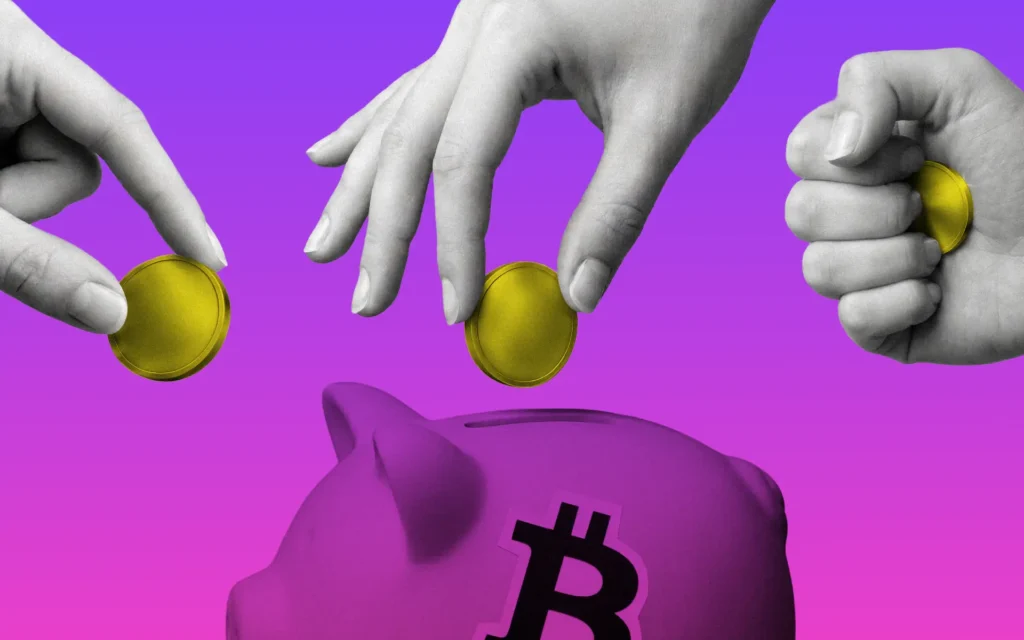
Block’s upcoming $1 million Bitcoin faucet, launching April 6, marks one of the most ambitious efforts in years to drive real-world cryptocurrency usage. The initiative, backed by Jack Dorsey’s fintech company Block, aims to reward users for engaging with Bitcoin in practical, everyday ways, from spending to self-custody, rather than speculative trading.
At a time when Bitcoin adoption is often measured in price movements and institutional investments, Block’s approach represents a different strategy: incentivizing people to actually use Bitcoin as money.
Modern Revival of Bitcoin’s Original Growth Strategy
The concept of a Bitcoin faucet dates back to 2010, when early Bitcoin developer Gavin Andresen launched a simple website that distributed 5 BTC to anyone willing to complete a captcha. At the time, Bitcoin was virtually unknown, and the faucet played a significant role in introducing thousands of users to the cryptocurrency.
That early faucet distributed nearly 20,000 BTC — coins that today would be worth billions of dollars. While Block’s $1 million allocation is far smaller in Bitcoin terms, the initiative is symbolically important.
Block is attempting to recreate that early grassroots growth, but with a modern twist. Instead of giving Bitcoin away for free, users must complete meaningful actions that support Bitcoin’s ecosystem.
The campaign is expected to run from April 6 through April 10, or until the $1 million pool is depleted. With limited funds and strong interest anticipated, participation will likely operate on a first-come-first-served basis.
How the Bitcoin Faucet Will Work
While Block has not released every detail ahead of launch, early information suggests users will be rewarded for activities that promote real-world Bitcoin usage. These may include:
- Purchasing Bitcoin through Cash App
- Spending Bitcoin with Square merchants
- Using Block’s Bitkey hardware wallet
- Withdrawing Bitcoin to self-custody wallets
- Purchasing Bitcoin-related hardware or services
This structure signals that Block is prioritizing behavior that strengthens Bitcoin’s long-term utility, rather than simply distributing promotional rewards.
Why Block Is Betting on Real-World Bitcoin Usage
Block has steadily expanded its Bitcoin strategy over the past several years. The company has invested heavily in Bitcoin infrastructure, including:
The $1 million faucet appears to connect these initiatives into a single adoption campaign.
Jack Dorsey has repeatedly emphasized his belief that Bitcoin’s long-term value depends on everyday usability, not just investment demand. In this context, the faucet acts as both a marketing campaign and a behavioral experiment.
If users respond positively, Block could expand similar programs in the future.
Timing Comes Amid Growing Institutional Bitcoin Momentum
The faucet launch also comes during a period of increased institutional interest in Bitcoin. Spot Bitcoin ETFs, corporate treasury allocations, and growing regulatory clarity have helped push Bitcoin further into mainstream finance.
However, despite this institutional momentum, everyday Bitcoin payments remain relatively limited. Most users still treat Bitcoin primarily as a store of value rather than a medium of exchange.
Block’s faucet aims to change that dynamic by encouraging:
These behaviors align with Bitcoin’s original vision as a decentralized digital currency.
Potential Impact on Bitcoin Adoption
While $1 million is unlikely to significantly affect Bitcoin’s price, the campaign’s real impact may lie in user engagement. Even a modest increase in active Bitcoin users could have long-term effects.
Possible outcomes may include:
Additionally, the campaign could encourage other companies to launch similar incentive programs.
If successful, Block’s faucet may become a blueprint for future crypto adoption campaigns.
Risks and Limitations
Despite the excitement, there are some limitations to consider. The total reward pool is relatively small, meaning:
- Rewards may run out quickly
- Individual payouts may be modest
- Participation may require existing Block services
There is also the possibility that some users participate solely for rewards rather than long-term usage. However, even short-term engagement could introduce new users to Bitcoin’s ecosystem.
Strategic Move for Block’s Bitcoin-Focused Vision
Block currently holds thousands of Bitcoin on its balance sheet and has consistently positioned itself as one of the most Bitcoin-aligned fintech companies.
The faucet reinforces Block’s long-term strategy:
- Build Bitcoin infrastructure
- Encourage real usage
- Expand adoption globally
Rather than relying solely on market cycles, Block is attempting to actively shape Bitcoin’s adoption curve.
What to Expect Starting April 6
When the faucet launches, users will likely need to:
- Visit the official faucet website
- Connect or create a compatible wallet
- Complete qualifying actions
- Receive Bitcoin rewards
Participation details and requirements are expected to become clearer once the campaign goes live.
Given the limited pool and high interest, early participation may increase chances of receiving rewards.
Small Giveaway With Big Symbolism
Block’s $1 million Bitcoin faucet may not dramatically move markets, but its symbolic importance is significant. By rewarding real-world Bitcoin usage, the initiative shifts focus back to Bitcoin’s original purpose — peer-to-peer digital money.
If successful, the campaign could mark the beginning of a new phase in Bitcoin adoption, where usability, not just price, becomes the central narrative.
As Bitcoin continues to mature, initiatives like this may play a crucial role in bridging the gap between investment and everyday use.
April 6 may not just mark the start of a giveaway — it could signal the next chapter in Bitcoin’s adoption story.
FAQs
Users will likely need to visit the official campaign site starting April 6, complete qualifying actions such as buying or spending Bitcoin, and receive rewards once eligibility requirements are met. Full participation instructions are expected to be released at launch.
While Block has not confirmed full geographic availability, participation may depend on access to Block services such as Cash App or Bitkey. Some regions may have limited access based on regulatory or service availability.
Rewards are expected to vary depending on participation and qualifying actions. Some preview examples suggest rewards like $25–$50 worth of Bitcoin, but amounts may differ and could be smaller as more users participate.
Block aims to accelerate Bitcoin adoption by encouraging real-world usage. By incentivizing spending, payments, and self-custody, the company hopes to increase active Bitcoin users and strengthen the broader ecosystem.
The information provided in this article is for informational purposes only. It is not intended to be, nor should it be construed as, financial advice. We do not make any warranties regarding the completeness, reliability, or accuracy of this information. All investments involve risk, and past performance does not guarantee future results. We recommend consulting a financial advisor before making any investment decisions.

Onkar Singh has three years of experience as a digital finance content creator. Throughout his career, he has collaborated with various DeFi projects and crypto media outlets. In his leisure time, he enjoys fitness activities at the gym and watching movies across different genres. Balancing his professional and personal interests, Onkar continues to contribute to the digital finance landscape while pursuing his hobbies.


 Easy
Easy