Key Takeaways
- Goldman Sachs fully exited its XRP and Solana ETF positions and cut Ethereum exposure by roughly 70% in Q1 2026.
- Harvard also reduced its Bitcoin ETF stake by 43% and completely exited Ethereum ETFs amid market volatility.
- Crypto markets rallied after the Iran ceasefire earlier this year but turned sharply lower again after fresh geopolitical tensions resurfaced.
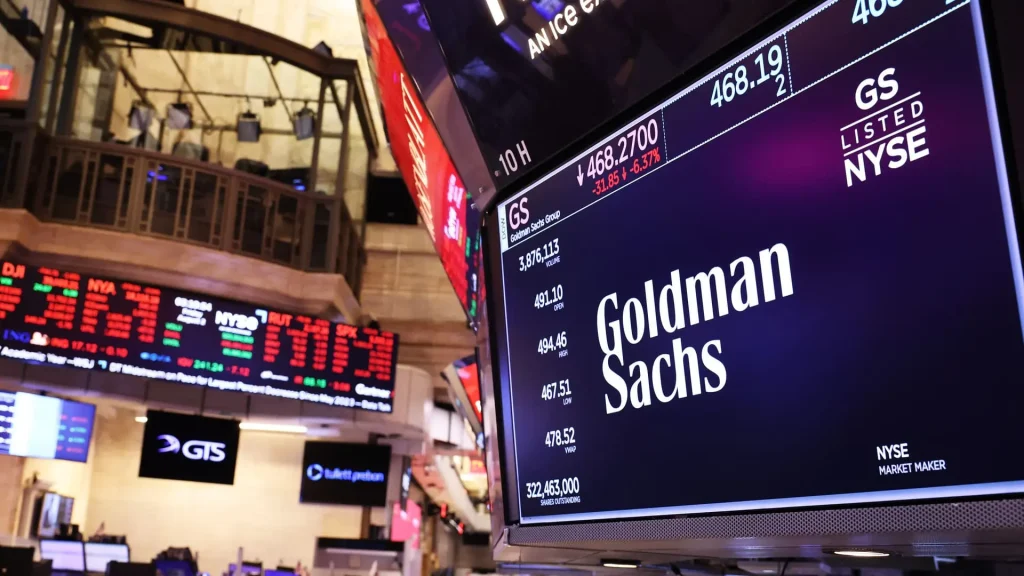
Goldman Sachs is pulling back from some of its biggest crypto bets.
According to the bank’s latest 13F filing for Q1 2026, Goldman fully exited its XRP and Solana ETF positions after previously holding around $154 million worth of XRP ETFs at the end of 2025.
The divestment marks a sharp shift from just a few months ago, when the bank first entered XRP and Solana ETFs alongside large Bitcoin and Ethereum positions worth more than $2.3 billion combined.
Now, the latest filing shows Goldman moving in a much more defensive direction.
Goldman Sachs Is Pulling Back on Altcoins
Crypto markets have remained volatile throughout 2026, especially for altcoins like XRP and Solana, which have seen sharp swings alongside broader macro uncertainty.
Goldman’s latest moves suggest the bank may be reducing exposure to higher-risk parts of the crypto market while keeping a core position in Bitcoin.
The filing shows Goldman also slashed its Ethereum ETF holdings by roughly 70%, bringing its ETH exposure down to around $114 million.
Bitcoin remains the bank’s largest crypto ETF position, though even those holdings were reduced compared to previous quarters.
Goldman still holds roughly $700 million in Bitcoin ETFs.
At the same time, the bank increased exposure to crypto-related companies with more established business models and revenue streams.
Goldman added to positions in Coinbase, Circle, and Galaxy Digital while trimming stakes in crypto mining and infrastructure firms, including Strategy, IREN, Riot, and Bit Digital.
The shift suggests Goldman may now prefer crypto-linked equities over direct exposure to volatile token prices through ETFs.
Institutional investors often use ETFs as a regulated way to gain crypto exposure without directly holding digital assets.
But as market conditions become more unstable, many firms appear to be rotating toward companies they view as more resilient during downturns.
The large Ethereum reduction stands out in particular because ETH ETFs had attracted strong inflows earlier in the cycle.
But weaker price performance and broader competition inside crypto markets may have pushed Goldman to scale back.
Harvard Also Reduces Exposure
Goldman Sachs is not the only major institution pulling back.
Harvard University’s endowment fund also reduced its crypto ETF exposure during Q1 2026.
According to recent filings, Harvard cut its stake in BlackRock’s Bitcoin ETF (IBIT) by around 43% while fully exiting its Ethereum ETF holdings.
The move came after several months of heavy volatility across crypto markets.
Reports suggest Harvard may have locked in sizable losses after trimming Bitcoin positions purchased at higher levels and exiting Ethereum exposure during weaker market conditions.
The shift reflects a broader trend among institutional investors becoming more cautious as geopolitical tensions, inflation concerns, and market volatility continue weighing on risk assets.
Not every institution is retreating entirely. Some funds have continued to add selective crypto exposure, particularly to Bitcoin and Solana-related products.
But overall, the latest filings suggest many large investors are becoming more selective about where they want crypto exposure.
Driven by Geopolitics
The pullback from institutions also comes amid unusually sharp swings across crypto markets.
Bitcoin and altcoins recently rallied strongly after President Donald Trump extended the US-Iran ceasefire, helping calm fears around oil markets and broader geopolitical instability.
That rally pushed Bitcoin above $78,000, while Ethereum, Solana, and XRP also surged.
But sentiment shifted quickly again on May 17 after Trump issued fresh warnings toward Iran during ongoing discussions involving the Strait of Hormuz.
The renewed tensions triggered another wave of volatility across global markets.
Bitcoin briefly fell below $77,000, while crypto markets reportedly saw more than $600 million in liquidations as leveraged positions were wiped out.
Ethereum, Solana, and XRP all moved lower alongside broader risk assets.
The sharp swings underscored how sensitive crypto markets remain to macro headlines, geopolitical developments, and shifts in investor risk appetite.
That backdrop likely played a role in why institutions like Goldman Sachs and Harvard reduced exposure during the quarter.
Institutions Are Treating Crypto More Like Traditional Markets
The latest filings do not necessarily signal that Wall Street is abandoning crypto altogether.
Instead, they show that institutions are increasingly treating digital assets like any other asset class — adjusting positions, reducing risk, locking in profits, and rotating capital in response to changing market conditions.
Bitcoin still appears to have the strongest institutional support, while altcoins continue to face a much harder path toward stable, long-term adoption among traditional investors.
At the same time, companies tied to crypto infrastructure, trading, and payments are still attracting institutional interest even as ETF exposure becomes more selective.
That suggests Wall Street’s crypto strategy is evolving rather than disappearing.
The easy momentum trades may be fading, but institutions are still positioning around parts of the industry they believe can survive long-term volatility.

Prashant Jha is a seasoned crypto journalist based in Delhi, India, with a Bachelor’s Degree in Computer Science Engineering. Passionate about the evolving world of blockchain and cryptocurrencies, he has been a dedicated voice in the industry since 2018. Prashant’s expertise lies in regulatory reporting, where he unravels complex legal and financial developments with clarity and precision. Before joining CCN in 2024, he honed his craft at Cointelegraph, establishing himself as a trusted name in crypto journalism.
His coverage spans major industry events, including the high-profile collapses of FTX, Three Arrows Capital (3AC), and LUNA, offering readers insightful analyses of their regulatory and market implications. Prashant’s technical background enables him to bridge the gap between intricate blockchain technology and its real-world applications, making his work accessible to novices and experts.
Beyond his professional pursuits, Prashant is an avid music enthusiast, often exploring diverse genres to unwind. A sports lover, he has a particular passion for cricket and frequently engages in discussions about the game. His multifaceted interests and sharp journalistic instincts make him a valuable contributor to CCN, where he continues shaping the crypto landscape's narrative.