Thailand Tightens Crypto Rules With 5 Year Data Retention and Self Custody Wallet Checks
Share
Key Takeaways
Some locations, such as El Salvador, integrate crypto into everyday transactions.
Crypto-friendly travel destinations typically offer clear legal frameworks, making it easier and safer for travelers to use digital assets.
Using stablecoins or crypto-linked debit cards can help travelers avoid price fluctuations during short-term vacations.
These locations provide exposure to real-world blockchain applications, ranging from government-led initiatives to grassroots adoption.
As cryptocurrencies continue to move from niche innovation to mainstream adoption, they are increasingly shaping how people work, invest, and even travel. For crypto enthusiasts, New Year’s vacations offer a unique opportunity to visit destinations where digital assets are not just discussed, but actively used.
From paying for hotels and meals with Bitcoin to participating in vibrant Web3 communities, crypto-friendly destinations combine travel, technology, and lifestyle in compelling ways.
This article examines five crypto-friendly travel destinations that stand out for their robust infrastructure, regulatory transparency, and increasing acceptance of digital currencies.
Whether you are a long-term crypto holder, a blockchain professional, or simply curious about how crypto works in the real world, these destinations offer an educational and immersive way to start the New Year.
1. Dubai, United Arab Emirates
Dubai has positioned itself as one of the world’s most forward-thinking cities in terms of blockchain and cryptocurrency adoption. The city’s leadership has actively embraced digital innovation, aiming to become a global hub for Web3, fintech, and decentralized finance (DeFi).
Why Dubai Is Crypto-Friendly
Dubai hosts a dedicated regulatory body, the Virtual Assets Regulatory Authority (VARA), which provides clarity and oversight for crypto businesses. This structured approach has attracted major crypto exchanges, blockchain startups, and investors from around the world.
Luxury hotels in Dubai accept crypto. | Credit: The Bitcoin Historian X profile
Crypto Use in Daily Life
While crypto is not legal tender, it is widely accepted across select hotels, luxury retailers, real estate firms, and tourism services. Many businesses allow payments in Bitcoin, Ethereum, and stablecoins through licensed payment processors.
Vacations Appeal
Dubai’s New Year celebrations are world-famous, with spectacular fireworks at the Burj Khalifa and beachfront events across the city. For crypto travelers, Dubai combines futuristic infrastructure, tax-friendly policies, and a thriving international blockchain community, making it an ideal destination to welcome the New Year.
Portugal is well-known for its favorable tax environment for crypto, particularly for individual investors. For many years, personal crypto gains were either lightly taxed or exempt, helping attract global crypto talent (though regulations continue to evolve).
Crypto Community and Education
Lisbon hosts numerous blockchain conferences, meetups, and co-working spaces that focus on crypto, Web3, and decentralized applications. The city is home to a strong international community eager to share knowledge and collaborate.
Vacations Appeal
New Year’s Eve in Lisbon features fireworks over the Tagus River, live music, and a relaxed but festive atmosphere. For travelers interested in learning about crypto while enjoying European culture, Lisbon offers both accessibility and intellectual stimulation.
The Monetary Authority of Singapore (MAS) regulates crypto service providers under a clear legal framework. This regulatory clarity has allowed blockchain companies and exchanges to operate with confidence.
Practical Crypto Usage
Although Singapore discourages speculative advertising of crypto, it actively supports blockchain innovation. Some merchants, online services, and luxury businesses accept crypto payments, and crypto-linked cards are widely usable.
Vacations Appeal
Singapore’s New Year celebrations are known for their elegance rather than excess. Events such as Marina Bay fireworks, rooftop gatherings, and cultural festivals create a sophisticated holiday experience. For travelers interested in understanding how crypto fits into a regulated financial ecosystem, Singapore is an excellent educational destination.
4. Miami, United States
Miami has quickly become one of the most prominent crypto hubs in the United States. The city’s leadership and business community have openly supported blockchain innovation, earning it the nickname “Crypto Capital.”
Why Miami Is Crypto-Friendly
Miami gained global attention with initiatives like MiamiCoin and frequent blockchain conferences, such as Bitcoin Miami and Blockchain Futurist Florida. The city has attracted crypto entrepreneurs, venture capital, and Web3 developers.
Crypto Adoption
While the U.S. regulatory environment is complex, Miami stands out for its cultural acceptance of crypto. Many restaurants, hotels, and entertainment venues accept crypto payments through third-party platforms.
Vacations Appeal
Miami’s New Year celebrations include beach parties, nightlife, and fireworks over Biscayne Bay. For crypto enthusiasts, Miami offers a blend of American lifestyle, startup energy, and open discussion around digital assets.
5. El Salvador
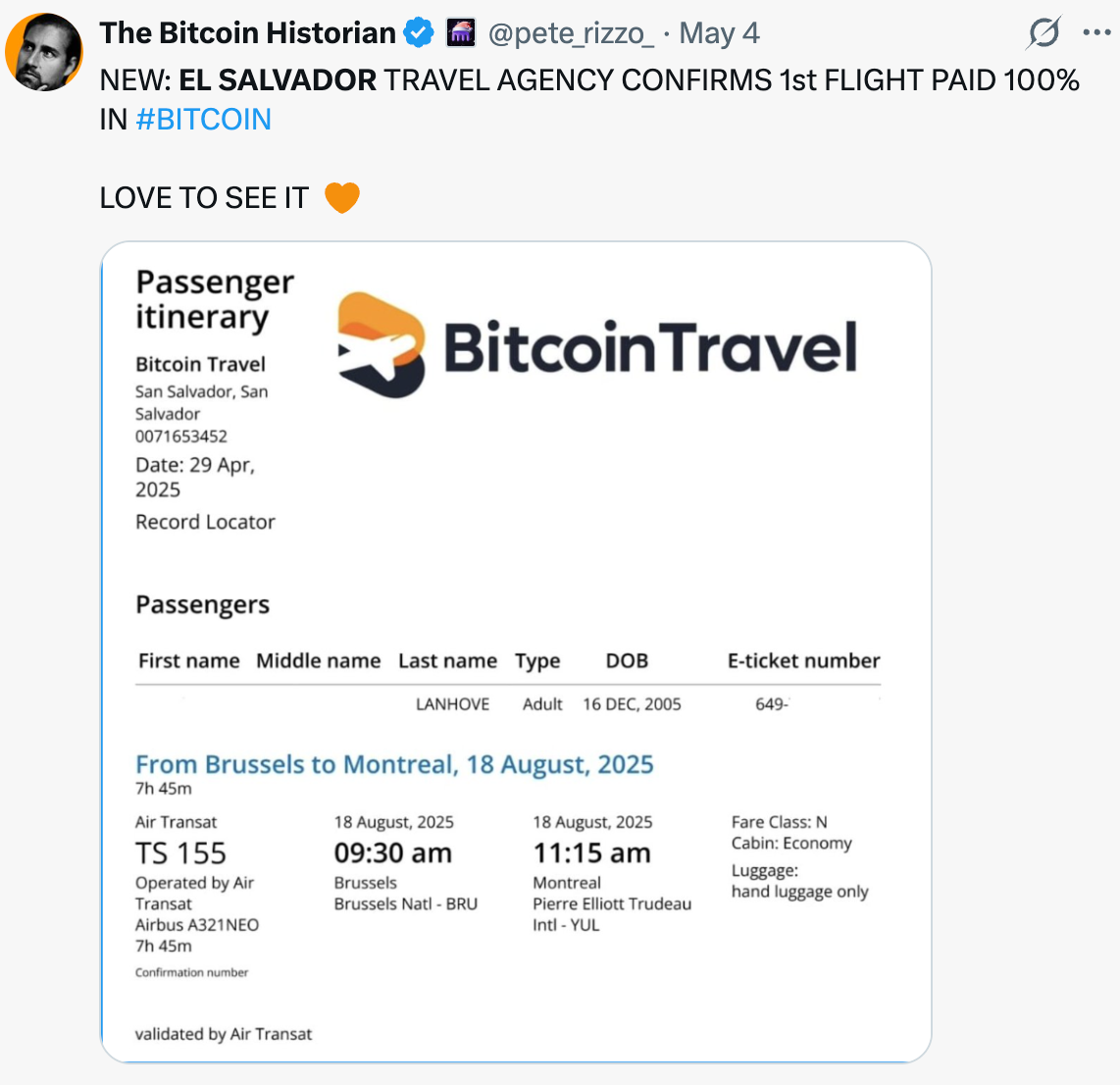
El Salvador made history as the first country to adopt Bitcoin as legal tender, solidifying its position on the map for crypto-focused travelers.
Why El Salvador Is Crypto-Friendly
Bitcoin is officially recognized alongside the U.S. dollar, and the government has invested in infrastructure, including Bitcoin wallets and payment systems. This makes El Salvador a unique case study in national-level crypto adoption.
Everyday Crypto Use
In tourist areas, it is increasingly common to pay for meals, accommodations, and services with Bitcoin. While adoption varies across regions, the experience offers valuable insights into how cryptocurrency functions in a real economy.
Vacations Appeal
El Salvador offers a laid-back New Year’s experience with beach celebrations, volcano views, and a growing Bitcoin tourism scene, particularly in coastal areas like El Zonte, often referred to as “Bitcoin Beach.”
What to Know Before Traveling with Crypto
While crypto-friendly destinations offer exciting opportunities, travelers should keep several practical considerations in mind:
Volatility: Cryptocurrency prices can fluctuate significantly; therefore, using stablecoins may help mitigate risk.
Regulations: Laws vary by country and are subject to change. Always research local rules before transacting.
Security: Use reputable wallets, avoid public Wi-Fi for transactions, and consider using a hardware wallet for extensive holdings.
Conversion options: Not all vendors accept crypto directly; crypto debit cards or payment apps can help bridge the gap.
These locations offer real-world insight into how digital assets interact with financial systems, governments, and everyday life. They also highlight different regulatory philosophies, from full legal tender adoption to carefully controlled innovation.
Such destinations serve as living laboratories for the future of money and digital identity. Visiting them during the New Year adds symbolic value: a fresh start in a world increasingly shaped by decentralized technologies.
From Dubai’s luxury-driven innovation to El Salvador’s bold national experiment, crypto-friendly travel destinations offer more than just holiday experiences: they provide a glimpse into the future of finance.
For New Year vacations, these five destinations combine celebration, education, and exploration, making them ideal for travelers who want to start the year informed, inspired, and connected to the evolving digital economy.
Whether you are paying for coffee with Bitcoin, attending a blockchain meetup, or simply observing crypto adoption in action, these destinations demonstrate how cryptocurrency is becoming part of global life. One journey at a time.
What does “crypto-friendly” mean in the context of travel?
A crypto-friendly destination is a place where businesses, hotels, restaurants, or services accept cryptocurrency as payment, or where the regulatory and financial environment supports blockchain and crypto innovation. It may also include cities with active crypto communities, educational events, or blockchain infrastructure.
Can I use Bitcoin or other cryptocurrencies to pay for everything while traveling?
Not always. Even in crypto-friendly destinations, adoption varies by merchant. Some hotels, restaurants, and travel services accept crypto, but many still rely on traditional currencies. Using crypto debit cards or wallet apps can help bridge the gap.
Are crypto transactions safe when traveling internationally?
Yes, if you follow best practices. Use reputable wallets, avoid public Wi-Fi for financial transactions, consider hardware wallets for large amounts, and use two-factor authentication. Always double-check the recipient address before sending crypto.
Are crypto-friendly destinations suitable for first-time travelers?
Yes. Most destinations listed, like Dubai, Lisbon, Singapore, Miami, and El Salvador, offer standard travel infrastructure, cultural attractions, and accessible tourism services. Crypto adoption is an added benefit for enthusiasts but does not make travel complicated.
Disclaimer:
The information provided in this article is for informational purposes only. It is not intended to be, nor should it be construed as, financial advice. We do not make any warranties regarding the completeness, reliability, or accuracy of this information. All investments involve risk, and past performance does not guarantee future results. We recommend consulting a financial advisor before making any investment decisions.
Giuseppe Ciccomascolo began his career as an investigative journalist in Italy, where he contributed to both local and national newspapers, focusing on various financial sectors.
Upon relocating to London, he worked as an analyst for Fitch's CapitalStructure and later as a Senior Reporter for Alliance News. In 2017, Giuseppe transitioned to covering cryptocurrency-related news, producing documentaries and articles on Bitcoin and other emerging digital currencies. He also played a pivotal role in establishing the academy for a cryptocurrency exchange website. Crypto remained his primary area of interest throughout his tenure as a writer for ThirdFloor.


 Easy
Easy