Key Takeaways
- Thailand’s proposed crypto sandbox allows foreign tourists to convert cryptocurrencies into Thai baht for local spending.
- Nations like El Salvador, Malta, UAE, Portugal, and Japan are at various stages of embracing crypto for tourism.
- While enthusiasm for crypto in tourism is increasing globally, each country balances innovation and oversight differently.
Thailand’s financial regulators are taking a significant step toward integrating digital assets into the tourism sector.
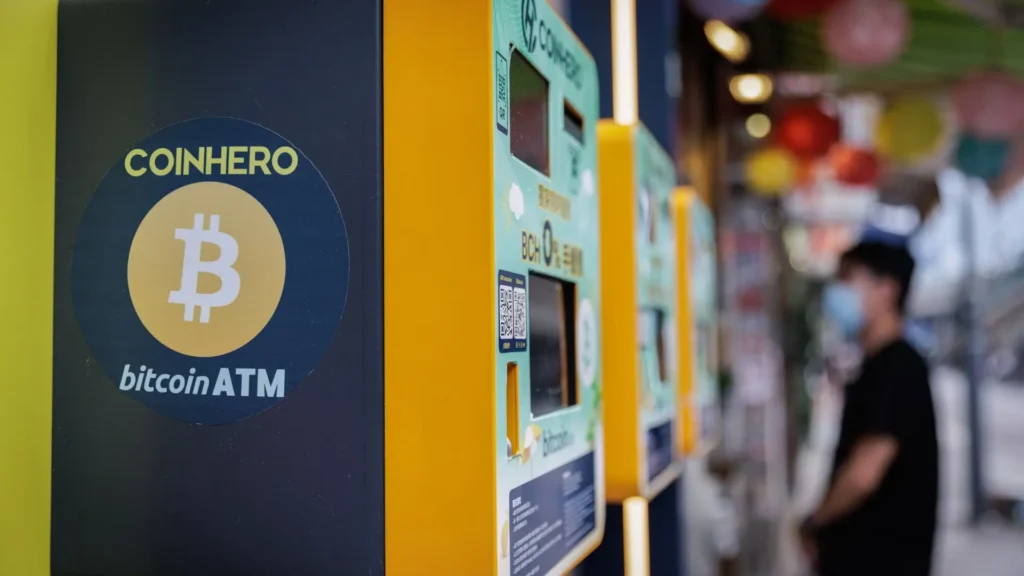
In a recently proposed initiative, the country announced plans for a nationwide crypto sandbox that would allow foreign tourists to convert their Bitcoin into Thai baht.
The landmark move aims to attract more tech-savvy tourists to the country, but Thailand isn’t alone in exploring crypto payments for international visitors.
Thailand’s Proposed Crypto Sandbox
Thailand’s crypto sandbox, which is currently under public consultation, aims to test the viability of crypto-to-fiat conversion systems in a controlled regulatory environment.
Licensed digital asset operators, such as exchanges and brokers, will be allowed to participate, subject to regulatory approval.
The framework enables tourists to electronically spend converted funds during their stay, while prohibiting direct crypto payments for goods and services.
By allowing conversion rather than direct payment, Thailand appears to be balancing innovation with financial oversight.
This initiative underscores the growing global interest in using digital currencies to enhance tourism and streamline cross-border transactions.
Countries Accepting Crypto For Tourists
El Salvador
El Salvador stands out as the first country to adopt Bitcoin as legal tender in 2021.
This bold move allows both citizens and tourists to use Bitcoin for everyday purchases, including shopping, food, and travel.
However, following pressure from the International Monetary Fund (IMF), El Salvador agreed to scale back aspects of its Bitcoin rollout.
This included reducing its support for the government-run Chivo wallet and removing the mandate requiring all merchants to accept Bitcoin.
Despite this, the country continues to purchase Bitcoin and remains under IMF scrutiny.
Malta
Nicknamed “Blockchain Island,” Malta has emerged as one of Europe’s most crypto-forward nations.
As early as 2016, restaurants and retailers nationwide began accepting Bitcoin.
Tourists can also use digital assets to book various travel experiences, including flights and accommodations.
Malta’s Virtual Financial Assets Act (VFAA), introduced in 2018, streamlines licensing for crypto firms and aligns with the EU’s MiCA regulation.
Critics, however, have expressed concern about potential regulatory gaps.
OKX, a major global crypto exchange, received pre-authorization for an EU crypto license in Malta in early 2024.
United Arab Emirates
The United Arab Emirates (UAE), particularly Dubai, has seen a rapid expansion in crypto adoption in retail, real estate, and hospitality.
Prominent developers like DAMAC and Emaar accept Bitcoin and Ethereum for property purchases.
Several hotels also accept Bitcoin and other cryptocurrencies for bookings and payments from tourists.
In July 2025, Emirates Airlines signed a Memorandum of Understanding (MoU) with Crypto.com to integrate crypto payments into its booking system.
The partnership aims to allow passengers to pay for flights and onboard services using Bitcoin, Ethereum, and other digital currencies by 2026.
Portugal
Portugal has earned a reputation as one of Europe’s most crypto-friendly countries.
While digital currencies are not considered legal tender, the government has encouraged adoption through favorable tax policies and relaxed regulations.
Numerous businesses, including cafés and beach-town restaurants, accept crypto payments.
Tourists can also use platforms like Bitrefill to purchase gift cards with crypto, enabling indirect spending at mainstream outlets.
Japan
Japan was one of the first countries to officially recognize Bitcoin as a legal payment method, doing so in 2017.
While Japan remains a largely cash-reliant society, some forward-looking retailers, electronics stores, and travel agencies now accept Bitcoin for tourists and residents.
For instance, Yamada Denki, a major electronics chain, introduced Bitcoin payments in 2021.
Crypto usage remains niche but continues to grow in regulated spaces through licensed exchanges and specific high-end businesses.
U.S.
The U.S., although active in the crypto industry, has uneven opportunities for tourists to spend crypto in travel and everyday transactions.
While it’s not yet mainstream, several avenues still exist for crypto users to leverage digital assets while visiting.
Travel platforms such as Travala.com support over 100 cryptocurrencies, including Bitcoin, for booking travel within the country and beyond.
However, direct crypto payments across the U.S. are still limited.
Certain services, such as BitPay, allow merchants to convert crypto into fiat currency at checkout, but this is only used in very select establishments.

Kurt Robson is a London-based reporter at CCN, specialising in the fast-moving worlds of crypto and emerging technology. He began his career covering local news in Cornwall after graduating from Falmouth University with First Class Honours in Journalism. There, he cut his teeth on everything from council meetings to missing swans.
He quickly rose through the ranks to become a frontline journalist at several of the UK’s leading national newspapers. Over the years, he has interviewed musicians and celebrities, reported from courtrooms and crime scenes, and secured multiple front-page exclusives.
Following the upheaval of the COVID-19 pandemic, Kurt shifted his focus to technology journalism—just ahead of the AI boom. With a natural curiosity and a trained eye for emerging trends, he has found a new rhythm in reporting on innovation.
At CCN, Kurt's work focuses on the cutting edge of crypto, blockchain, AI, and the evolving digital world. Drawing on his background in people-first reporting and his deep interest in disruptive tech, Kurt delivers stories that are insightful, entertaining, and human-centric.