Key Takeaways
- Memecoins are rebounding in 2026, with the sector recovering more than $8 billion in market value.
- Solana remains the center of the rally, powered by Pump.fun and tokens like BONK and WIF.
- Despite the comeback, most traders still lose money while insiders and early wallets capture most of the gains.
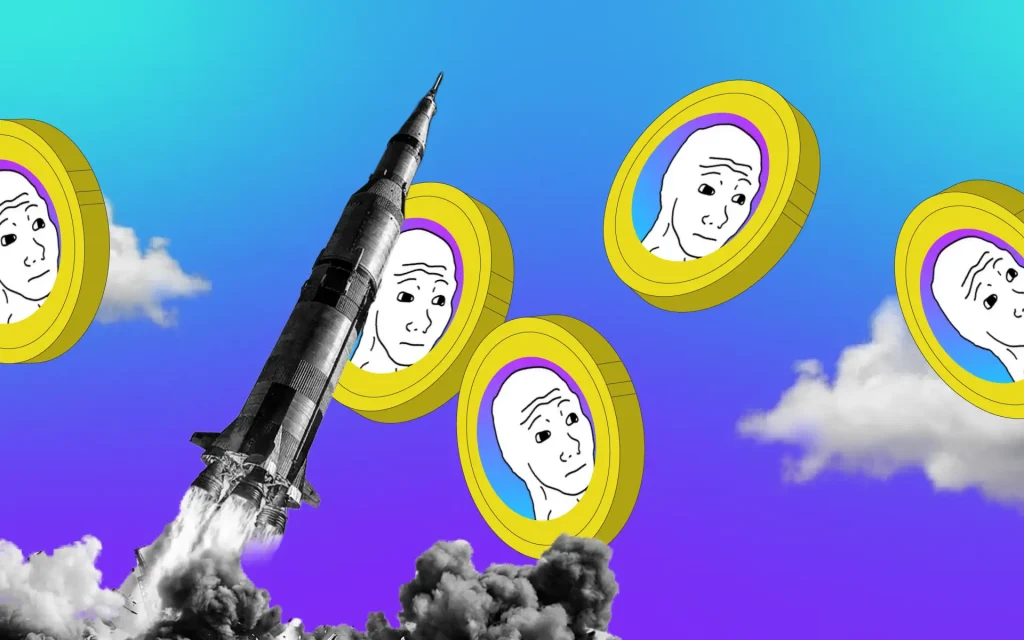
Memecoins are back — again.
After a brutal collapse in 2025 that erased billions in value and crushed retail traders, the market’s most chaotic corner is roaring back to life in 2026.
Trading volumes are rising, market caps are recovering, and Solana-based memecoins are once again flooding crypto timelines.
But this rebound comes with a familiar question hanging over the market: Is this the start of a more mature memecoin cycle, or just another speculative frenzy waiting to collapse?
Memecoins Are Surging Again
The memecoin market entered 2026 in recovery mode after one of its worst years on record.
By the end of 2025, total memecoin market capitalization had fallen roughly 75% from its late-2024 highs, dropping from around $150 billion to the $34 billion–$47 billion range.
That decline didn’t last long.
In the opening months of 2026, the sector added more than $8 billion back in market value, with some estimates placing the total memecoin market near $69 billion by the end of Q1.
Several of the market’s biggest names posted strong gains.
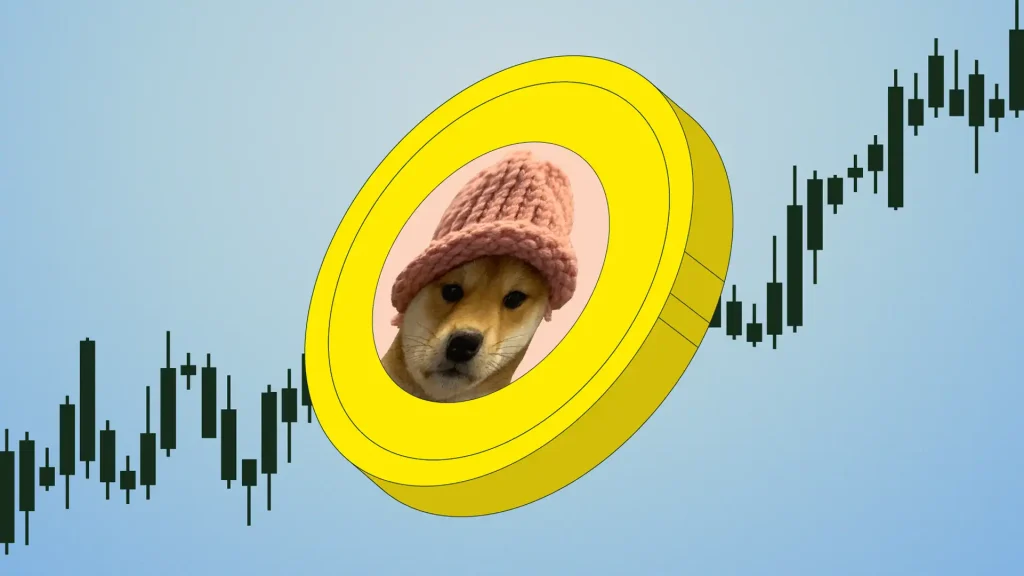
PEPE climbed roughly 65% year-to-date, BONK jumped nearly 50%, while DOGE and SHIB also recovered with double-digit gains.
Trading activity returned quickly as well.
During the early rally, daily memecoin volumes climbed to nearly $9 billion, helped by short liquidations and renewed retail interest.
Still, this cycle looks different from the free-for-all seen during earlier meme booms.
Many of the tokens still attracting volume now have stronger ecosystems, deeper liquidity, and larger online communities.
Some also generate meaningful transaction fee revenue through trading activity and token burns.
At the same time, the market has become far more selective.
Millions of tokens launched during the previous cycle disappeared almost immediately, leaving only a small group of projects with lasting traction.
Solana’s Memecoin Dominance
If memecoins are roaring back, Solana is the engine.
The network has become the main hub for meme token launches thanks to its low fees, fast transaction speeds, and simple launch tools like Pump.fun.
By early 2026, Solana’s memecoin ecosystem had grown to roughly $6.7 billion in market value, while peak daily trading volumes crossed $2.5 billion.
Pump.fun has played a major role in that growth.
Since launching, the platform has helped create more than 13 million tokens and generated hundreds of millions in revenue.
The ease of launching tokens turned Solana into crypto’s memecoin factory almost overnight.
Popular Solana-based tokens, including BONK, dogwifhat (WIF), POPCAT, PENGU, and FARTCOIN, became some of the biggest names of the latest rally.
BONK, in particular, has built a stronger ecosystem through airdrops, NFT integrations, and broader Solana community support.
That helped it survive market volatility better than many short-lived meme projects.
The surge in memecoin trading has also boosted activity across Solana’s broader ecosystem, helping DEX volumes climb sharply in recent months.
But the same speed that powers Solana’s memecoin economy also creates major risks.
Tokens can launch in seconds, attract huge speculation within hours, and collapse just as quickly.
That dynamic continues to make the sector feel more like a high-speed casino than a traditional market.
The Shadow of 2025 Still Hangs Over the Market
The latest rally comes less than a year after one of the biggest memecoin crashes crypto has seen.
Early 2025 was dominated by a memecoin supercycle fueled by celebrity tokens, political memecoins, exchange listings, and nonstop speculation.
Platforms like Pump.fun made token creation almost frictionless, flooding the market with new launches every day.
Political memecoins became one of the biggest stories of the cycle.
The Solana-based TRUMP token surged to around $75 shortly after launch before collapsing later in the year.
MELANIA and LIBRA followed similar paths.
Major exchange listings added fuel to the frenzy, pushing trading activity into overdrive.
Then the bubble burst.
Oversupply, fading hype, and aggressive profit-taking triggered massive declines across the sector.
Many tokens lost 80%-99% of their value within months.
By late 2025, retail interest had largely disappeared, online search activity had collapsed, and millions of memecoins had become inactive.
The crash exposed how dependent the sector still was on hype, attention, and fast-moving speculation.
Most Traders Still Lose Money
Despite the excitement surrounding memecoins, the odds remain heavily stacked against most traders.
Data from platforms like Pump.fun shows that the overwhelming majority of memecoin launches eventually fail or lose nearly all their value.
Reports from 2025 suggested roughly 60% of memecoin traders lost money overall, while only a very small percentage captured outsized gains.
The market structure often favors insiders, developers, snipers, and early wallets who enter before retail momentum builds.
The TRUMP memecoin became one of the clearest examples of that imbalance.
While insiders and affiliated entities reportedly generated hundreds of millions in trading fees and early profits, retail traders absorbed billions in losses as prices collapsed.
That pattern continues across much of the market today.
Even during the 2026 rebound, profits remain concentrated among a relatively small group of traders with better timing, better tools, or earlier access.
For everyone else, the combination of volatility, fees, rugs, and emotional trading makes consistent profits extremely difficult.
Is This Rally Different?
The 2026 rally brings hope but demands caution.
Some projects now have stronger communities, larger ecosystems, and real trading activity supporting them.
Solana’s infrastructure has also made meme trading faster and more accessible than ever.
But many of the same risks remain in place.
Speculation still drives most price action. Liquidity can disappear quickly, regulation around political memecoins remains uncertain, and market sentiment can reverse almost overnight.
For traders, memecoins remain one of the riskiest parts of crypto. The upside can be massive, but so can the losses.
That tension is exactly what keeps pulling people back in.
After collapsing in 2025, memecoins have once again become one of crypto’s hottest trades in 2026.
Whether this recovery turns into a longer-lasting market or another short-lived bubble is still unclear.
What is clear is that the memecoin cycle is far from over.
Top Trending Crypto Articles

Prashant Jha is a seasoned crypto journalist based in Delhi, India, with a Bachelor’s Degree in Computer Science Engineering. Passionate about the evolving world of blockchain and cryptocurrencies, he has been a dedicated voice in the industry since 2018. Prashant’s expertise lies in regulatory reporting, where he unravels complex legal and financial developments with clarity and precision. Before joining CCN in 2024, he honed his craft at Cointelegraph, establishing himself as a trusted name in crypto journalism.
His coverage spans major industry events, including the high-profile collapses of FTX, Three Arrows Capital (3AC), and LUNA, offering readers insightful analyses of their regulatory and market implications. Prashant’s technical background enables him to bridge the gap between intricate blockchain technology and its real-world applications, making his work accessible to novices and experts.
Beyond his professional pursuits, Prashant is an avid music enthusiast, often exploring diverse genres to unwind. A sports lover, he has a particular passion for cricket and frequently engages in discussions about the game. His multifaceted interests and sharp journalistic instincts make him a valuable contributor to CCN, where he continues shaping the crypto landscape's narrative.