Key Takeaways
- Hayes blamed tight dollar liquidity for Bitcoin’s dismal performance in 2025.
- The Bitmex co-founder called Bitcoin “the worst-performing major asset class.”
- Looking ahead, Hayes expects U.S. dollar liquidity to expand sharply in 2026.
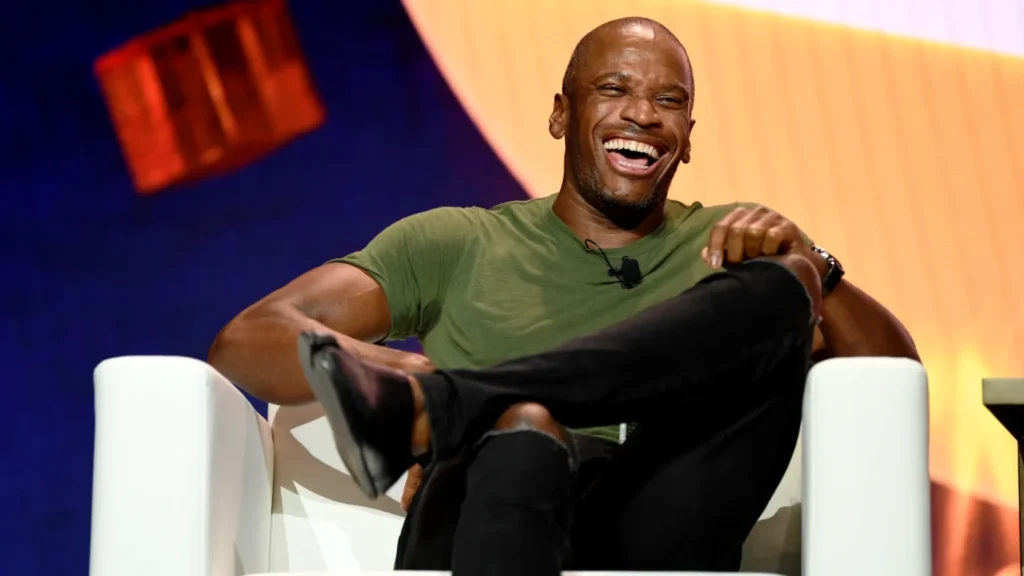
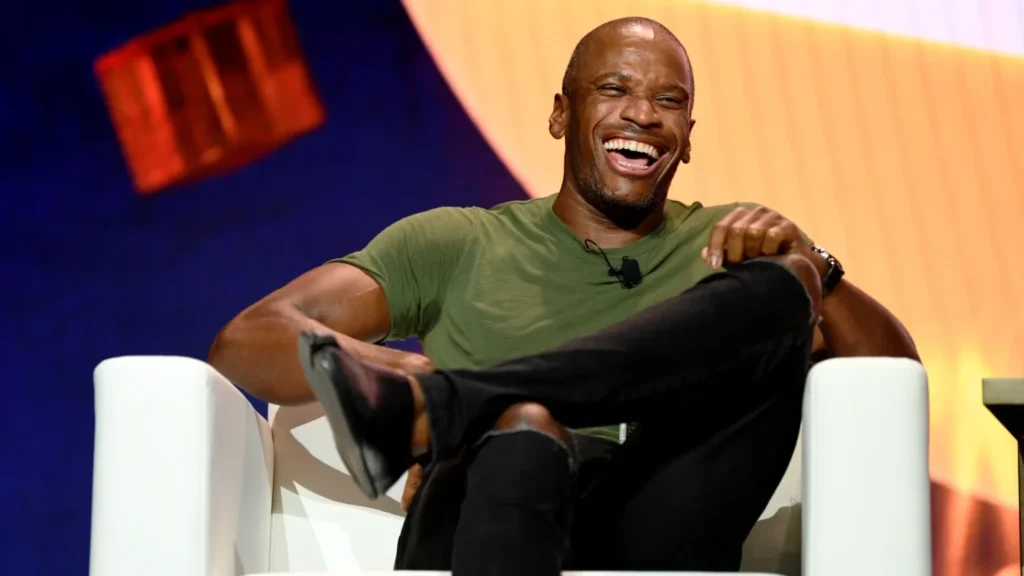
Arthur Hayes, a longtime crypto market observer, says Bitcoin’s weak performance in 2025 largely stemmed from tightening U.S. dollar (USD) liquidity.
The year also broke with tradition: it was the first post-halving year in which BTC posted a negative return, despite a history of strong gains following previous halvings.
Arthur Hayes on Bitcoin’s Performance
Hayes published an essay titled “Frowny Cloud” on Jan. 15, analyzing Bitcoin’s underwhelming performance throughout 2025.
In the piece, Hayes attributes BTC’s stagnation at the end of the year, around $87,000 to $95,000, to tightening USD liquidity conditions driven by the Federal Reserve’s quantitative tightening.
Hayes called Bitcoin “the worst-performing major asset class,” with returns that fell short of expectations set by President Donald Trump’s pro-crypto stance.
He cited the example of gold and the Nasdaq 100, which decoupled from liquidity trends due to unique factors, such as sovereign buying and state-sponsored AI development, leading to new highs in the same year.
The Bitmex co-founder argued that global USD liquidity, dominated by U.S. policies, contracted, limiting the fiat debasement that underpins BTC’s value.
Bitcoin functions as a form of “monetary technology.” It tends to gain value when central banks expand the money supply to address economic stress.
This dynamic, however, did not materialize in 2025.
The Dollar Liquidity Index has fallen 10% since April 2025, correlating with a 12% rise in BTC.
Hayes explained that the Fed actively reduced its balance sheet throughout much of 2025.
This reduced the availability of credit and shrank the money in circulation.
Additionally, it created a tight environment for risky assets like BTC, which thrive on abundant liquidity.
What’s in Store for 2026?
Looking ahead, Hayes expects U.S. dollar liquidity to expand sharply in 2026.
He attributes this to Federal Reserve policy shifts, increased commercial bank lending, and potential interventions in the housing market.
According to Hayes, that liquidity wave could lift Bitcoin, with the possibility of a return to $110,000 or higher.
This report synthesizes Hayes’ key arguments, supported by market data and historical context, to provide a comprehensive overview.
Hayes is optimistic about 2026, forecasting a “drastic increase” in USD liquidity through three pillars:
- Fed Money Printing: RMP and balance sheet growth to fund government needs, injecting at least $40 billion monthly.
- Commercial Bank Credit Creation: A secular rise in lending to strategic sectors like weapons and AI, boosting money velocity and nominal GDP.
- Housing Market Interventions: MBS purchases to lower mortgage rates, unlocking home equity for consumer spending and further credit growth.
Hayes believes BTC could surpass $110,000 in the first half of the year.
In more bullish scenarios, he has predicted $200,000–$250,000 or even $500,000–$750,000 by year-end.
However, he anticipated short-term volatility, with BTC potentially dipping to $80,000–$85,000 as an entry point before the upside.
It is important to note that prediction markets and Fed Chairman Jeremy Powell hint at lower interest rate cuts in 2026.

Prashant Jha is a seasoned crypto journalist based in Delhi, India, with a Bachelor’s Degree in Computer Science Engineering. Passionate about the evolving world of blockchain and cryptocurrencies, he has been a dedicated voice in the industry since 2018. Prashant’s expertise lies in regulatory reporting, where he unravels complex legal and financial developments with clarity and precision. Before joining CCN in 2024, he honed his craft at Cointelegraph, establishing himself as a trusted name in crypto journalism.
His coverage spans major industry events, including the high-profile collapses of FTX, Three Arrows Capital (3AC), and LUNA, offering readers insightful analyses of their regulatory and market implications. Prashant’s technical background enables him to bridge the gap between intricate blockchain technology and its real-world applications, making his work accessible to novices and experts.
Beyond his professional pursuits, Prashant is an avid music enthusiast, often exploring diverse genres to unwind. A sports lover, he has a particular passion for cricket and frequently engages in discussions about the game. His multifaceted interests and sharp journalistic instincts make him a valuable contributor to CCN, where he continues shaping the crypto landscape's narrative.