Bitcoin and the Dollar Debasement | Credit: Derek Fenech
Share
Key Takeaways
Searches for dollar debasement reached a new all-time high this year.
Gold, Silver, and Bitcoin all reached new all-time high prices this year.
What does the dollar debasement trade mean for Bitcoin?
Dollar debasement is suddenly one of the most searched economic terms in the world, and it’s not hard to see why.
With Google searches hitting an all-time high, gold and silver prices soaring, the BRICS pushing a gold-anchored digital unit, and the U.S. money supply expanding, fears over the weakening dollar are spreading rapidly.
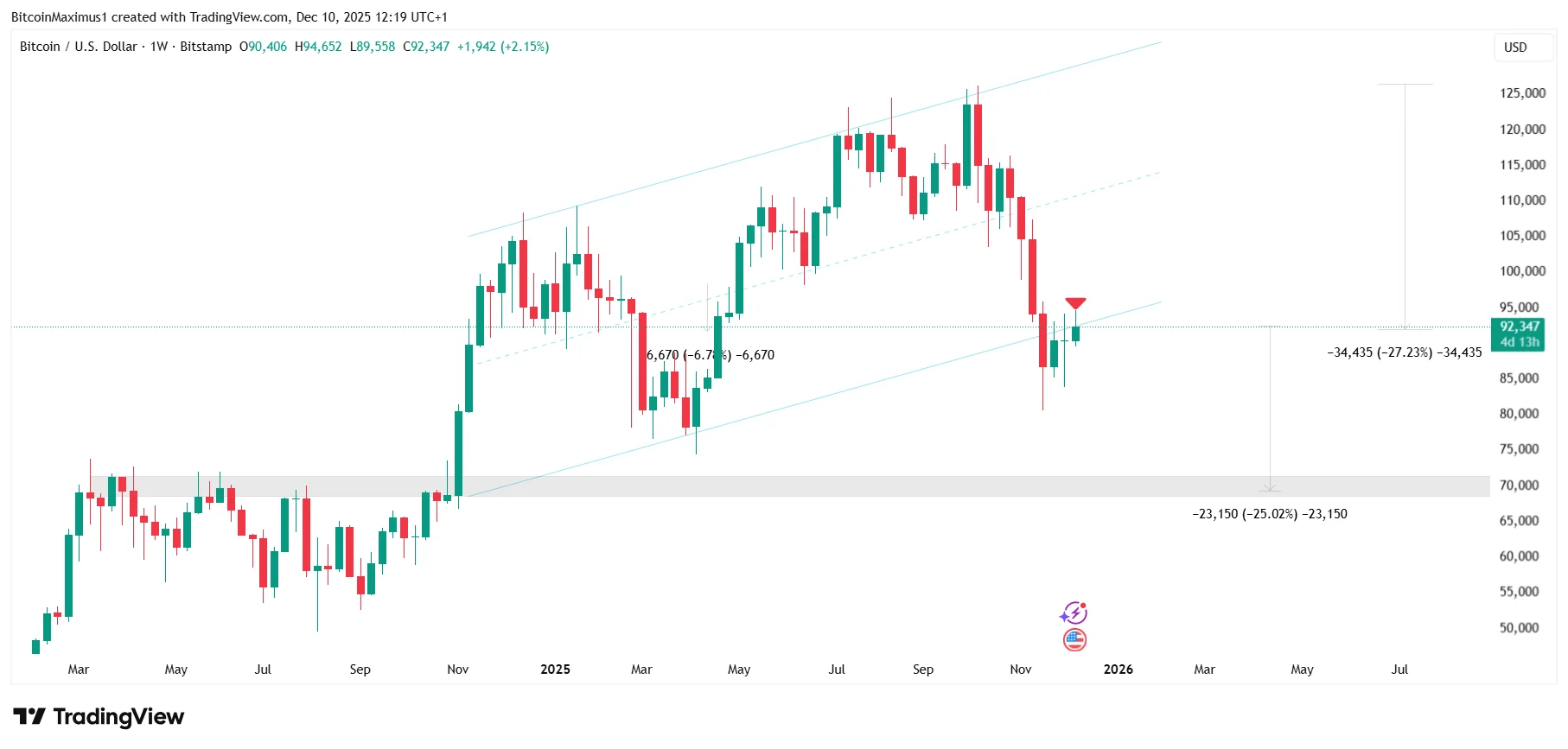
However, the big question dominating the crypto community is simple: If dollar debasement is accelerating, why isn’t Bitcoin surging? And does this trend change anything for 2026?
Here’s what the charts and data reveal.
What is Dollar Debasement?
Dollar debasement refers to the concept in which the dollar loses value relative to other assets.
When people perceive a decrease in the value of the dollar, they lose trust in the currency and begin seeking alternatives.
As Crypto Aman stated.
People feel that the value of the US dollar is decreasing, which is why more people are searching for dollar debasement.
Recently, the two assets that have benefited the most from this have been Gold and Silver.
Bitcoin is also a viable alternative, as its price reached a new all-time high this year.
JUST IN: Google searches for “dollar debasement” hit their highest level in history this quarter as Bitcoin and gold both set new all-time highs
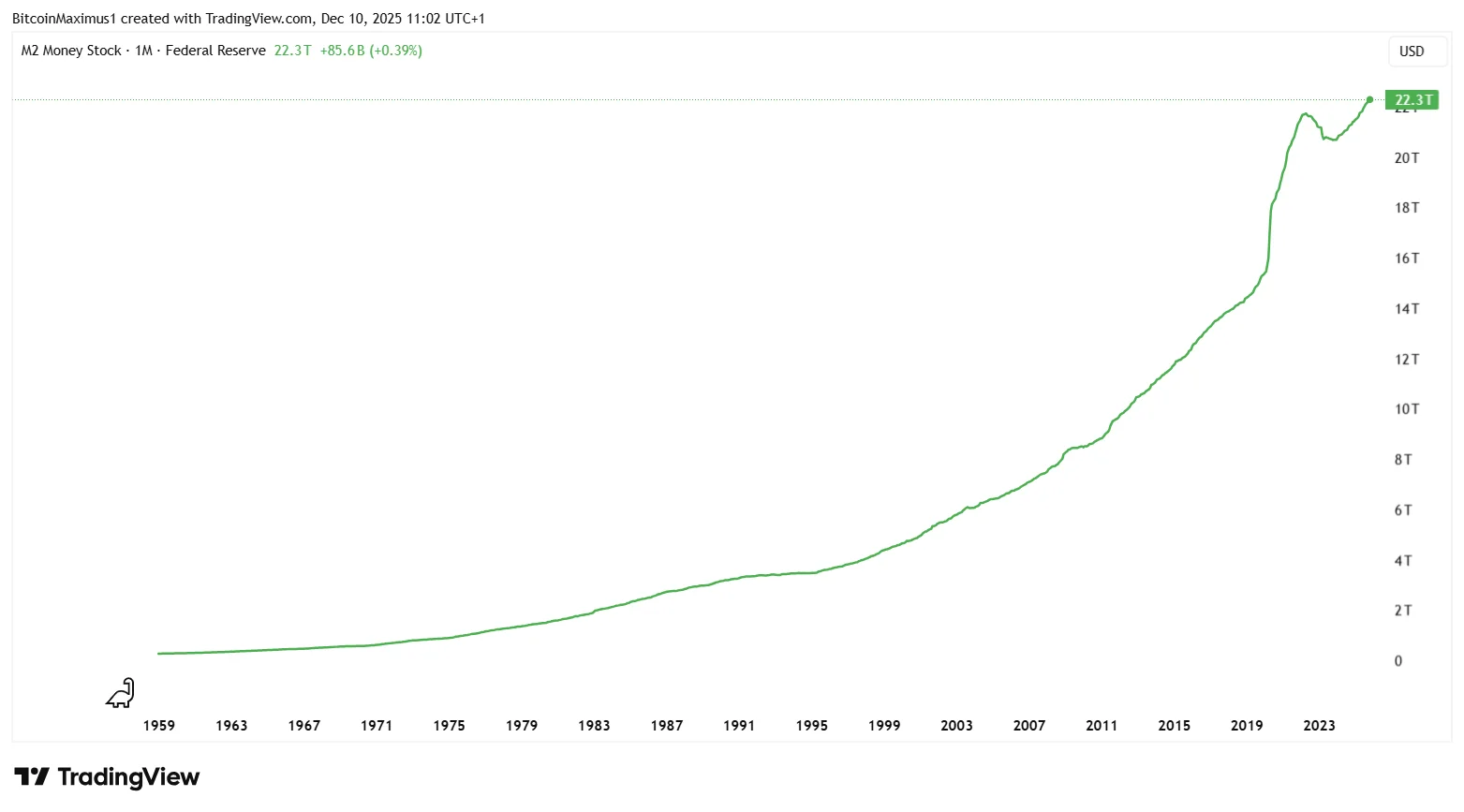
This allowed the U.S. government to freely print money, as evidenced by the massive increase in the Money Supply.
While relatively steady until 1971, it experienced a dramatic surge afterward and is currently at an all-time high of $ 22.3 trillion, fueling long-term concerns about debasement.
Dollar’s Decreasing Power
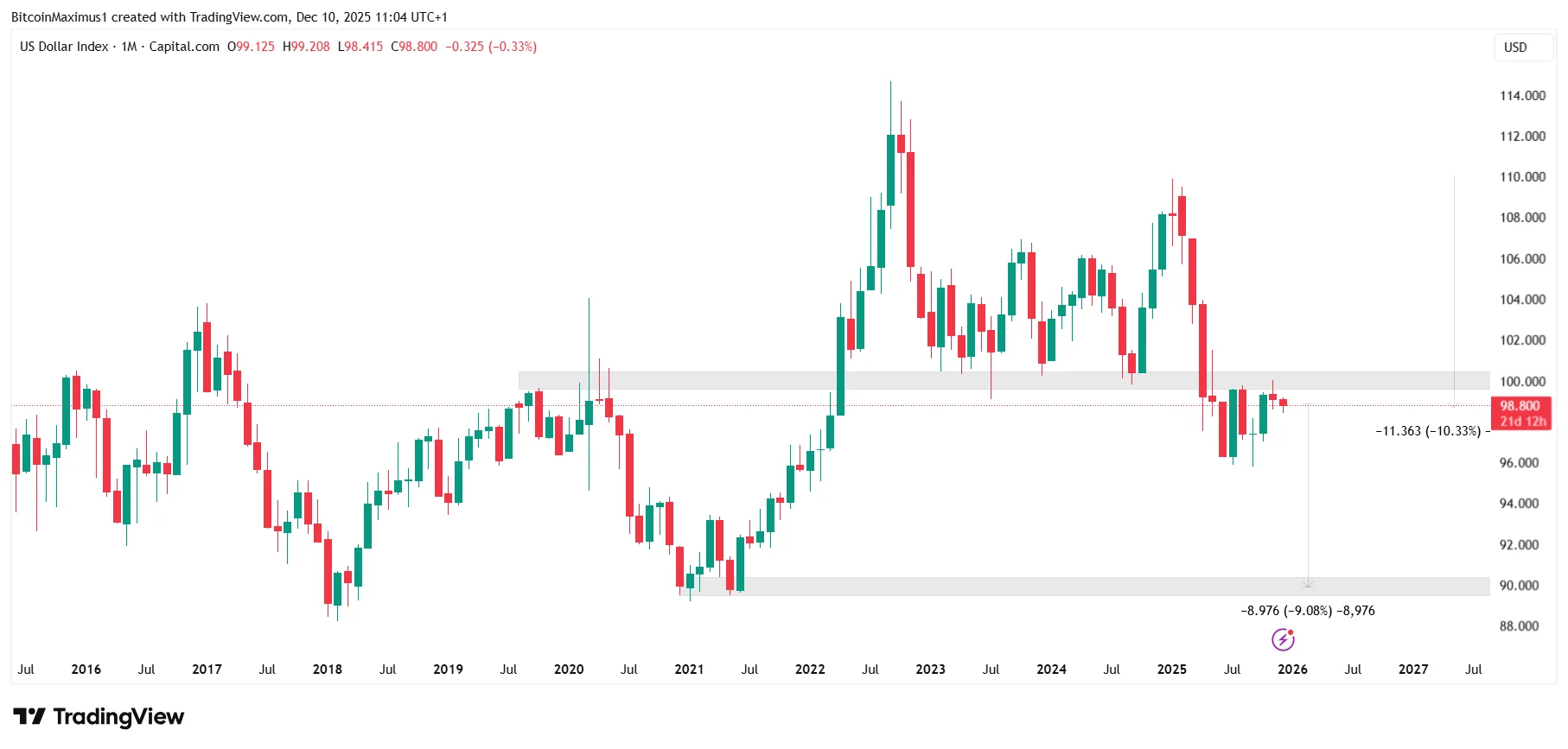
The Dollar Index (DXY) also shows a relative decrease against other currencies.
While this does not account for gold or silver, it still demonstrates the significant decline in the dollar’s value against other currencies.
The dollar has lost 10% of its value since the start of the year, and broke down from the critical support at $100.
The more the dollar weakens, the stronger the fundamental case becomes for scarce, decentralized assets like Bitcoin, even if the price action takes longer to catch up.
Disclaimer:
The information provided in this article is for informational purposes only. It is not intended to be, nor should it be construed as, financial advice. We do not make any warranties regarding the completeness, reliability, or accuracy of this information. All investments involve risk, and past performance does not guarantee future results. We recommend consulting a financial advisor before making any investment decisions.
Valdrin Tahiri is a cryptocurrency analyst and reporter at CCN, specializing in technical analysis with a focus on Elliott Wave theory, on-chain metrics, and fundamental research. He brings over seven years of experience in the crypto space as both a trader and writer.
He discovered cryptocurrencies in 2017 while earning his MSc in Financial Markets at the Barcelona School of Economics, which sparked a deep interest in blockchain and market dynamics. Since then, he’s contributed to top crypto outlets like BeInCrypto and CoinGape.
Valdrin also served as Community Manager of BeInCrypto’s Telegram group for three years, helping grow it into one of the largest crypto communities worldwide. His expertise in market structure and price patterns allows him to break down complex trends into clear, actionable insights.
He’s published thousands of articles covering altcoins, Bitcoin cycles, and macro trends.