Key Takeaways
- An XRP supporter demanded a $15–$20 price, accusing Ripple of prioritizing RLUSD and corporate expansion over token holders.
- The post provided no evidence that RLUSD depressed XRP’s value or a valuation model supporting the target.
- Ripple’s Coinbase partnership expands access to RLUSD, but its effect on XRP demand remains uncertain.
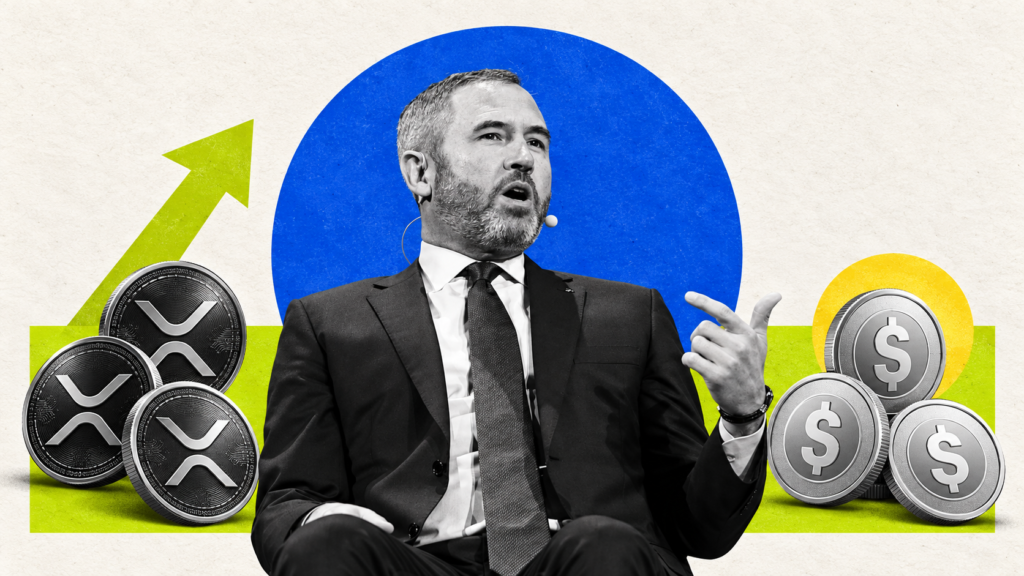
Ripple CEO Brad Garlinghouse faces an emotional appeal from an XRP investor demanding a token price of $15 to $20 or higher and questioning whether the company’s growing stablecoin business serves investors’ interests.
In a post on X addressed to Garlinghouse and David Schwartz, XRP investor Fabrizio Scudu accused Ripple of prioritizing RLUSD and corporate expansion at the expense of XRP holders.
His message raises a question for the company’s supporters: how much of Ripple’s institutional growth ultimately translates into demand for XRP?
The post presents an investor’s grievance without evidence establishing that RLUSD has depressed XRP’s value.
XRP Supporter Demands a Reward for Years of Loyalty
Scudu framed his criticism around the sacrifices he said XRP holders made during Ripple’s lengthy legal battle and years of uncertainty.
Investors did more than purchase a cryptocurrency, he argued. They supported the company through a shared struggle, committing savings while enduring negative sentiment and prolonged financial pressure.
“We didn’t just buy an asset; we chose to fight the exact same war alongside you,” he wrote.
He then accused Ripple of redirecting XRP’s economic and technological potential toward RLUSD and other enterprise structures, allowing the company to secure its future while leaving holders behind.
Scudu described $15 to $20 or more as XRP’s rightful value and urged Ripple’s leadership to take market action to achieve it.
However, the post offered no valuation model to support those targets, nor transaction data demonstrating that RLUSD displaced XRP demand. Its central argument rested on loyalty and a perceived moral obligation to reward holders.
That makes the demand an expression of investor expectations rather than an established assessment of XRP’s fair value.
Garlinghouse Says RLUSD Complements XRP
Garlinghouse addressed the broader concern about Ripple’s priorities in a Bloomberg interview, before Scudu’s appeal attracted coverage.
“XRP is at the heart of everything Ripple does,” he said, arguing that the company launched RLUSD to complement its existing work with the cryptocurrency.
According to Garlinghouse, roughly half of RLUSD was issued on the XRP Ledger at the time. He said that activity brings liquidity, trading volume, and broader participation to the network.
He also described stablecoins as an accessible starting point for corporate finance executives exploring blockchain technology. Ripple’s approach, he said, involves solving customers’ needs through stablecoins, XRP, or conventional payment infrastructure, depending on the transaction.
Asked what XRP offers that RLUSD cannot, Garlinghouse pointed to its role as a bridge between different currencies. A dollar stablecoin serves dollar-denominated transactions, while XRP can facilitate conversions across other currency pairs.
Those remarks explain Ripple’s stated strategy. They do not constitute a direct response to Scudu or a commitment to deliver his requested price.
Coinbase Expansion Puts RLUSD Strategy in Focus
A recent distribution agreement illustrates why Ripple’s stablecoin ambitions have become central to the debate.
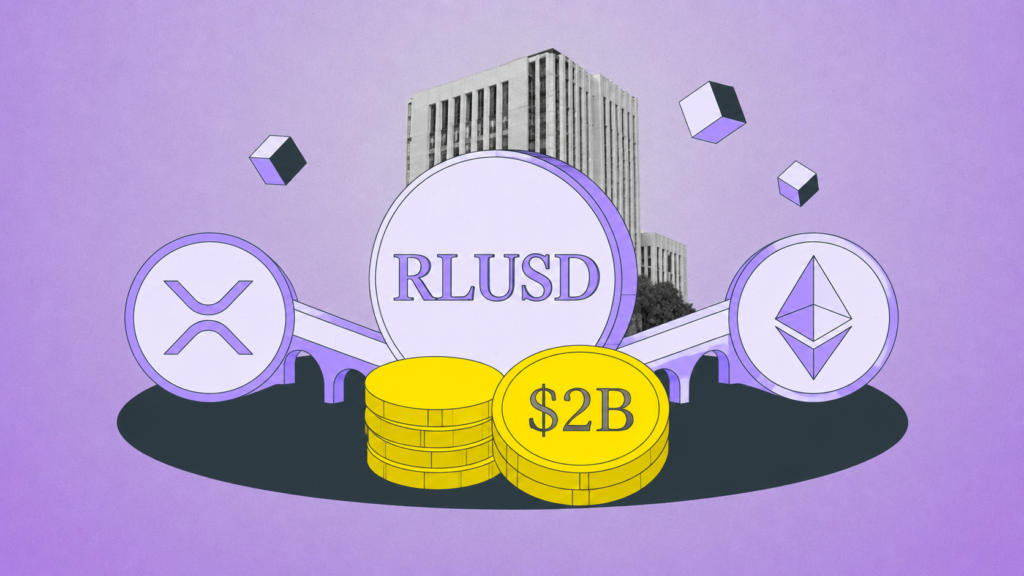
On Oct. 28, Ripple announced that RLUSD would become available through Coinbase Prime, Coinbase Exchange and Coinbase’s retail app, with blockchain support spanning the XRP Ledger, Base and Ethereum.
The announcement said RLUSD had surpassed $2.4 billion in market capitalization since launching in December 2024. It also outlined plans to extend availability to Coinbase Global Exchange customers, including use as collateral.
Ripple described the partnership as a way to expand institutional access across trading, settlement, and custody.
The agreement demonstrates commercial progress for RLUSD. Assessing its effect on XRP requires a separate examination of how customers actually use the token.
The distinction leaves Scudu’s underlying question unresolved: whether growing adoption of Ripple’s services will generate sufficient XRP demand to meet holders’ expectations. The announcements establish expansion, but they do not establish a path to $20.
The information provided in this article is for informational purposes only. It is not intended to be, nor should it be construed as, financial advice. We do not make any warranties regarding the completeness, reliability, or accuracy of this information. All investments involve risk, and past performance does not guarantee future results. We recommend consulting a financial advisor before making any investment decisions.

Giuseppe Ciccomascolo began his career as an investigative journalist in Italy, where he contributed to both local and national newspapers, focusing on various financial sectors.
Upon relocating to London, he worked as an analyst for Fitch's CapitalStructure and later as a Senior Reporter for Alliance News. In 2017, Giuseppe transitioned to covering cryptocurrency-related news, producing documentaries and articles on Bitcoin and other emerging digital currencies. He also played a pivotal role in establishing the academy for a cryptocurrency exchange website. Crypto remained his primary area of interest throughout his tenure as a writer for ThirdFloor.