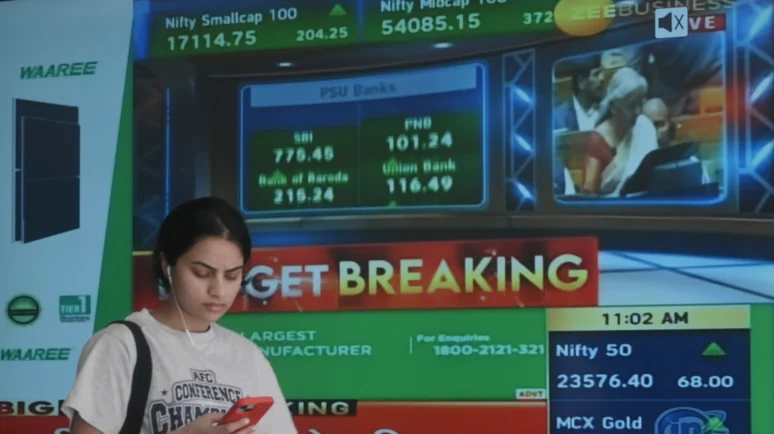
India ranks No. 1 in global crypto adoption for the third year, with grassroots activity thriving despite tough taxes and regulatory uncertainty. | Credit: Getty Images.
Share
Key Takeaways
India tops Chainalysis’ global crypto adoption index for the third consecutive year.
The U.S. climbed to second place on the back of new crypto-friendly policies.
Asia-Pacific remains the most active region for crypto transactions.
India has cemented its position as the global leader in cryptocurrency adoption, topping Chainalysis’ Global Crypto Adoption Index for the third year in a row.
Despite heavy taxes and a lack of regulatory clarity, the country’s grassroots crypto activity continues to eclipse that of more established markets, underscoring a trend of resilience rather than reliance on government support.
Try Our Recommended Crypto Exchanges
Sponsored
Disclosure
We sometimes use affiliate links in our content, when clicking on those we might receive a commission at no extra cost to you. By using this website you agree to our terms and conditions and privacy policy.
Sumit Gupta, CEO of Indian exchange CoinDCX, called the ranking a testament to the country’s untapped potential:
“The most humbling aspect is that despite all the current challenges, India is number 1 in all aspects in the Global Crypto Adoption Index,” Gupta said. “India has so much more potential when it comes to adopting blockchain and crypto. The strength isn’t currently being used in the right direction because of a lack of clarity.”
On-chain transaction volume in APAC surged between $1.4 trillion and $2.36 trillion over the past year, a 69% increase that cemented the region as the fastest-growing hub.
Crypto activity by region. Source: Chainalysis
In Latin America, adoption rose by 63% as both institutional players and retail investors embraced crypto.
Sub-Saharan Africa followed with a 52% increase, reflecting its reliance on crypto for payments and remittances.
Peer-to-peer networks and decentralized platforms have been central to this growth, even after a 2023 ban on accessing certain offshore exchanges.
The report highlights a paradox: while governments across the globe attempt to shape the future of digital assets through regulation, India’s crypto community has managed to thrive largely on its own.
That resilience, experts say, is what positions it to remain at the top of global adoption rankings for years to come.
Prashant Jha is a seasoned crypto journalist based in Delhi, India, with a Bachelor’s Degree in Computer Science Engineering. Passionate about the evolving world of blockchain and cryptocurrencies, he has been a dedicated voice in the industry since 2018. Prashant’s expertise lies in regulatory reporting, where he unravels complex legal and financial developments with clarity and precision. Before joining CCN in 2024, he honed his craft at Cointelegraph, establishing himself as a trusted name in crypto journalism.
His coverage spans major industry events, including the high-profile collapses of FTX, Three Arrows Capital (3AC), and LUNA, offering readers insightful analyses of their regulatory and market implications. Prashant’s technical background enables him to bridge the gap between intricate blockchain technology and its real-world applications, making his work accessible to novices and experts.
Beyond his professional pursuits, Prashant is an avid music enthusiast, often exploring diverse genres to unwind. A sports lover, he has a particular passion for cricket and frequently engages in discussions about the game. His multifaceted interests and sharp journalistic instincts make him a valuable contributor to CCN, where he continues shaping the crypto landscape's narrative.








 India To Introduce New Crypto Tax Reporting Rules Under OECD’s Guidelines