Key Takeaways
- For the first time, the Fed devoted serious attention to payment stablecoins.
- The FOMC members cited stablecoins’ potential to improve efficiency in the U.S. payment system.
- Most participants favored keeping rates steady at 4.25–4.5%, with a couple advocating cuts given softer growth.
- The other hot topics during the last meeting were inflation and the job market.
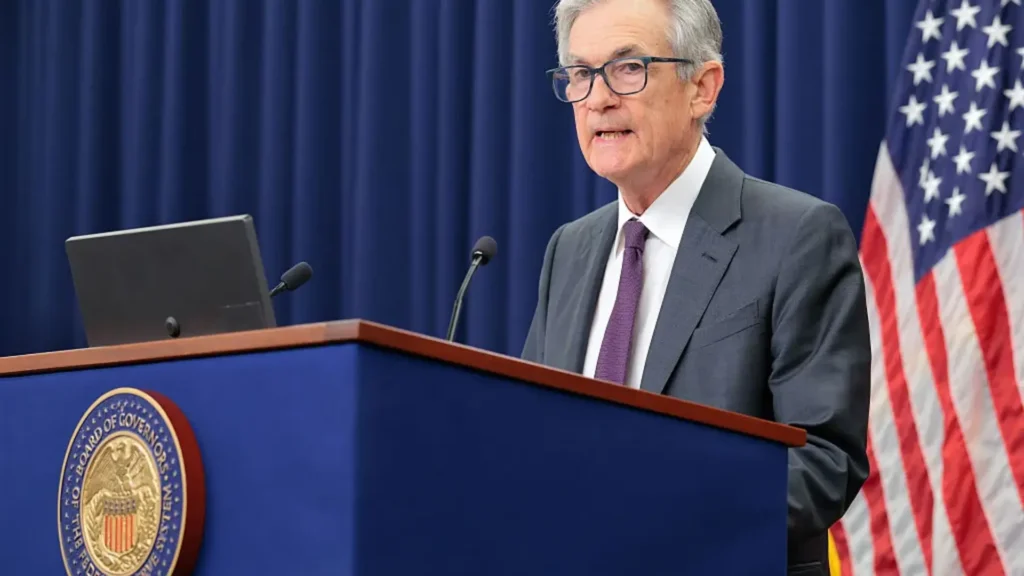
The Federal Reserve’s July meeting minutes show policymakers wrestling with familiar and new challenges.
Inflation remains stubbornly above target, tariffs are reshaping the near-term economic outlook, and subtle risks are emerging while the labor market continues to look strong.
Notably, the Fed also devoted unprecedented attention to stablecoins, acknowledging their growing role in payments and the broader financial system.
Stablecoins Enter the Fed Conversation
For the first time, stablecoins were substantively discussed in the minutes, reflecting their accelerating adoption and the following policy implications.
Fed participants noted that the recently passed GENIUS Act could spur a surge in payment stablecoin usage.
Officials agreed that stablecoins might improve efficiency across the payment system, lowering costs and speeding up settlement.
However, they also cautioned that this growth could reshape demand for safe assets like treasuries, as issuers need collateral to back their tokens.
Several members flagged risks: potential disruptions to banking, reduced clarity in monetary policy transmission, and vulnerabilities tied to how different stablecoins are collateralized.
The consensus was that stablecoins are poised to become a bigger part of the U.S. financial fabric, but they will require careful monitoring to ensure they don’t create systemic imbalances.
Inflation Stalled, Tariffs Take Center Stage
Inflation has lost momentum on its downward path. The Fed’s preferred measure, PCE inflation, stood at 2.5% in June, with core PCE at 2.7%—virtually unchanged from last year.
Participants agreed that tariffs were now a clear driver of higher goods prices, while services inflation showed signs of easing.
The debate was less about whether tariffs affected inflation and more about how persistent those effects would be.
Some Fed officials argued the impact would be short—a one-time price level adjustment as businesses pass on costs.
Others warned that tariffs could keep inflation elevated longer, particularly if firms face no choice but to raise prices or if supply chain disruptions worsen.
The biggest concern was that expectations might slip, undermining the Fed’s credibility and forcing a longer-term, tighter policy stance.
Labor Market Still Solid but Risks Emerging
The U.S. labor market continues to rise, with unemployment ticking to 4.1% in June and steady job gains. Wage growth slowed slightly, increasing 3.7% over the past year.
Fed participants described the market as “at or near maximum employment,” but acknowledged fault lines that could signal a gradual cooling.
Several officials pointed to softer private payroll growth, weaker wage gains among job switchers, and higher unemployment among youth and Black workers as early warning signs.
Fed officials also flagged policy uncertainty—especially around tariffs and immigration—as a drag on hiring.
While the broad picture still looks strong, many participants emphasized that softer demand could eventually weigh on labor markets, forcing the Fed to balance inflation risks with employment risks more carefully in the months ahead.
Top Trending Crypto Articles

Giuseppe Ciccomascolo began his career as an investigative journalist in Italy, where he contributed to both local and national newspapers, focusing on various financial sectors.
Upon relocating to London, he worked as an analyst for Fitch's CapitalStructure and later as a Senior Reporter for Alliance News. In 2017, Giuseppe transitioned to covering cryptocurrency-related news, producing documentaries and articles on Bitcoin and other emerging digital currencies. He also played a pivotal role in establishing the academy for a cryptocurrency exchange website. Crypto remained his primary area of interest throughout his tenure as a writer for ThirdFloor.