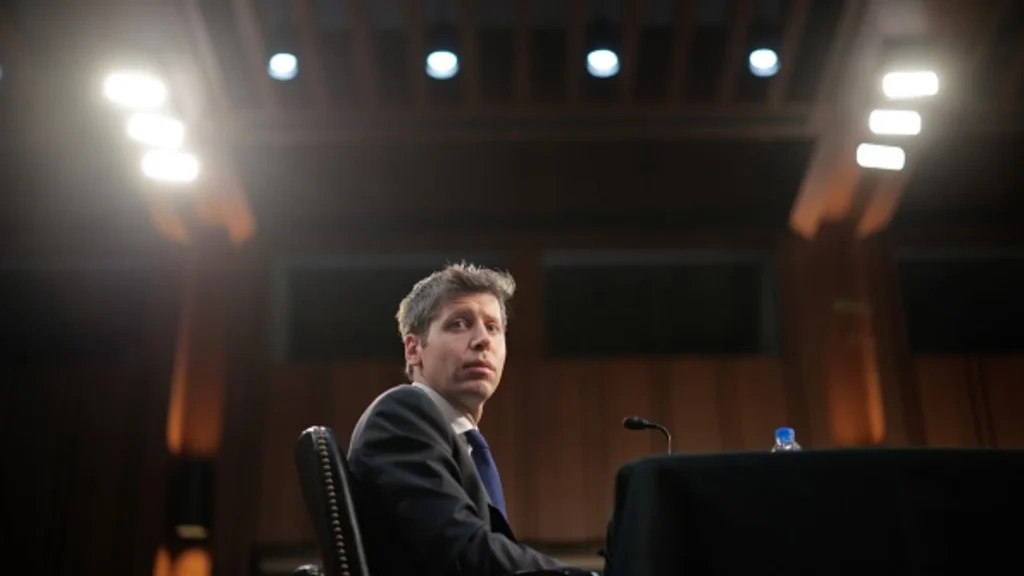
Fried’s publication is only the latest chapter in what many observers see as a coordinated PR offensive by SBF's family.
Share
Key Takeaways
Sam Bankman-Fried’s mother, Stanford professor Barbara Fried, has published a 64-page report defending her son.
The paper reframes the FTX collapse as a liquidity crisis, not a fraud.
The document is part of an ongoing family-led PR campaign ahead of SBF’s appeal.
Nearly three years after the implosion of FTX, the family of Sam Bankman-Fried (SBF) is mounting a new effort to rewrite the story of one of the biggest financial scandals in modern history.
As SBF’s appeal hearing approaches, his mother, Barbara Fried, a Stanford Law professor and co-founder of the political fundraising network Mind the Gap, has stepped into the spotlight — publishing a lengthy defense that challenges the entire narrative surrounding her son’s conviction.
In a 64-page paper, Fried argues that her son’s downfall was the product of a preventable liquidity crunch — not an orchestrated fraud — and blames everyone from competitors to prosecutors for the exchange’s demise.
Earn Crypto with These Top Mining Apps
Sponsored
Disclosure
We sometimes use affiliate links in our content, when clicking on those we might receive a commission at no extra cost to you. By using this website you agree to our terms and conditions and privacy policy.
In her paper, Fried claims that FTX was solvent “with billions to spare” at the time of its collapse and that the crisis was sparked by Binance’s decision to dump FTT tokens, triggering a panic that drained liquidity overnight.
She contends that Alameda Research’s borrowing from FTX — one of the key points in the prosecution’s case — was legal under U.K. law and “poorly understood” by regulators.
Fried also accuses several witnesses, including former Alameda CEO Caroline Ellison, of misleading the jury out of “personal and professional grudges.”
Her sharpest criticism, however, is reserved for FTX’s bankruptcy lawyers, whom she describes as “the real villains” for seizing control of the company and “burning through more than $100 million in legal fees.”
In recent months, the former FTX CEO’s inner circle has staged a string of interviews, social media posts, and op-eds aiming to recast his downfall as a misunderstanding — one rooted in liquidity mismanagement rather than criminal intent.
The campaign comes just weeks before SBF’s Nov. 4 appeal hearing, where his lawyers will argue that key solvency evidence was unfairly excluded from his trial.
Critics say the family’s effort is less about justice and more about rehabilitating SBF’s public image — particularly after the courts found him guilty on all counts of fraud and conspiracy in 2023.
FTX’s bankruptcy team has also pushed back, calling the solvency narrative “revisionist fiction.”
According to filings from FTX Recovery Trust, the exchange was “catastrophically insolvent” at the time of its collapse, with customer deposits long commingled with Alameda’s trading losses.
Prashant Jha is a seasoned crypto journalist based in Delhi, India, with a Bachelor’s Degree in Computer Science Engineering. Passionate about the evolving world of blockchain and cryptocurrencies, he has been a dedicated voice in the industry since 2018. Prashant’s expertise lies in regulatory reporting, where he unravels complex legal and financial developments with clarity and precision. Before joining CCN in 2024, he honed his craft at Cointelegraph, establishing himself as a trusted name in crypto journalism.
His coverage spans major industry events, including the high-profile collapses of FTX, Three Arrows Capital (3AC), and LUNA, offering readers insightful analyses of their regulatory and market implications. Prashant’s technical background enables him to bridge the gap between intricate blockchain technology and its real-world applications, making his work accessible to novices and experts.
Beyond his professional pursuits, Prashant is an avid music enthusiast, often exploring diverse genres to unwind. A sports lover, he has a particular passion for cricket and frequently engages in discussions about the game. His multifaceted interests and sharp journalistic instincts make him a valuable contributor to CCN, where he continues shaping the crypto landscape's narrative.