Key Takeaways
- Sam Bankman-Fried’s claim that FTX was solvent is set to become the flashpoint of his November appeal hearing.
- Defense lawyers maintain FTX had net assets exceeding liabilities at the time of collapse.
- Bankruptcy proceedings have already returned more than $8 billion to creditors.
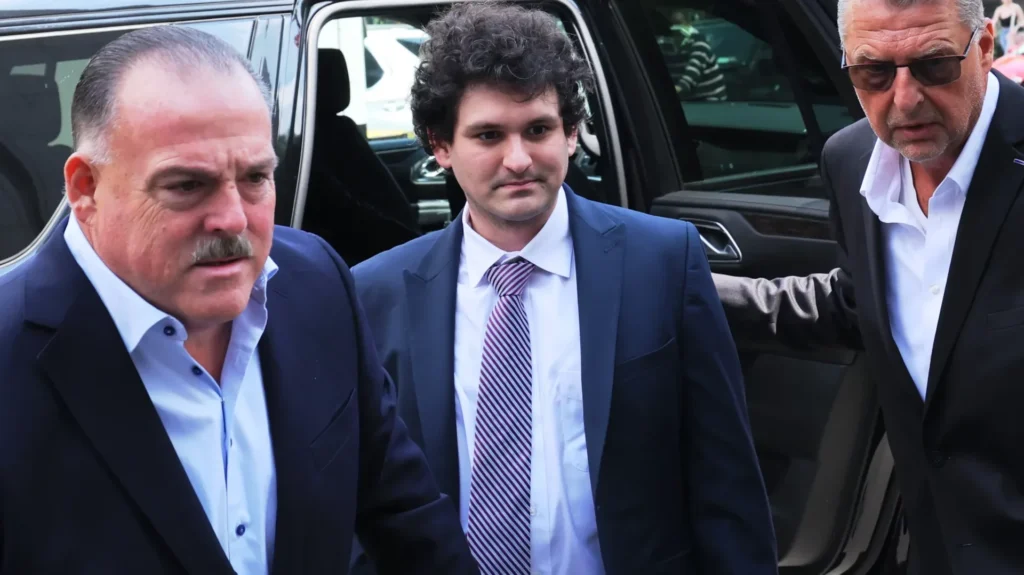
Three years after the dramatic collapse of FTX, the debate over whether the exchange was truly insolvent has reemerged as a central issue in Sam Bankman-Fried’s (SBF) upcoming appeal.
The disgraced founder has long argued that FTX could have repaid its customers in full, and his defense team is preparing to make solvency the cornerstone of their case.
Solvency Argument Revived
SBF filed his appeal brief with the U.S. Court of Appeals for the Second Circuit on Sept. 13, 2024, seeking a new trial or acquittal.
His lawyers allege that trial judge Lewis A. Kaplan blocked evidence that would have demonstrated FTX’s solvency, while prosecutors pushed what they call a “false narrative” of permanent losses.
During the original fraud trial, the defense attempted to demonstrate that FTX had approximately $15 billion in net assets, based on contemporaneous cryptocurrency valuations.
They argued that customers could have been made whole if the exchange had not filed for bankruptcy, and that the real issue was unauthorized borrowing and market panic rather than outright theft.
Judge Kaplan, however, ruled the evidence immaterial, stressing that fraud charges turn on misappropriation, not whether liabilities could eventually be covered.
The jury deliberated for just four hours before convicting SBF on all counts on Nov. 2, 2023.
The Appeal Ahead
Oral arguments in the appeal are scheduled for Nov. 4, 2025, in Manhattan.
The hearing will test whether excluding solvency evidence undermined the fairness of the original trial.
It also arrives as the FTX bankruptcy estate, now operating under the FTX Recovery Trust, continues returning money to creditors—fueling SBF”s appeal that the company was never insolvent in the first place.
Former FTX executive Dan Chapsky has also publicly backed this view, criticizing bankruptcy lawyers for filing too quickly and insisting the exchange was capable of meeting its obligations.
Bankruptcy Distributions Undercut the Narrative
Meanwhile, the bankruptcy process has painted a different picture.
On Oct. 7, 2024, U.S. Bankruptcy Judge John T. Dorsey approved the Chapter 11 reorganization plan for FTX and its affiliates. The plan relied on recovered assets estimated between $14.7 billion and $16.5 billion.
Since the plan’s effective date of Jan. 3, 2025, the FTX Recovery Trust, led by CEO John J. Ray III, has carried out three distribution rounds totaling more than $8.1 billion to verified creditors.
According to court filings, 98% of creditors by number are expected to recover at least 119% of allowed claims—an outcome that would have been unthinkable in the immediate aftermath of the collapse.
What’s at Stake
For SBF, the solvency debate is more than a technical point—it could determine whether his conviction stands.
For creditors, while the former CEO fights to frame FTX’s downfall as a liquidity crisis rather than fraud, the bankruptcy estate is steadily paying out claims that suggest recovery was possible all along.
The Second Circuit will now decide whether those facts warrant revisiting one of the most consequential trials in crypto’s short history.
Top Trending Crypto Articles

Prashant Jha is a seasoned crypto journalist based in Delhi, India, with a Bachelor’s Degree in Computer Science Engineering. Passionate about the evolving world of blockchain and cryptocurrencies, he has been a dedicated voice in the industry since 2018. Prashant’s expertise lies in regulatory reporting, where he unravels complex legal and financial developments with clarity and precision. Before joining CCN in 2024, he honed his craft at Cointelegraph, establishing himself as a trusted name in crypto journalism.
His coverage spans major industry events, including the high-profile collapses of FTX, Three Arrows Capital (3AC), and LUNA, offering readers insightful analyses of their regulatory and market implications. Prashant’s technical background enables him to bridge the gap between intricate blockchain technology and its real-world applications, making his work accessible to novices and experts.
Beyond his professional pursuits, Prashant is an avid music enthusiast, often exploring diverse genres to unwind. A sports lover, he has a particular passion for cricket and frequently engages in discussions about the game. His multifaceted interests and sharp journalistic instincts make him a valuable contributor to CCN, where he continues shaping the crypto landscape's narrative.