Key Takeaways
- Financial institutions are clamoring for crypto custody solutions in 2025.
- Zodia Custody was launched by Standard Chartered and Northern Trust in 2021.
- Digital Asset Treasuries could soon emerge in the U.K.
At this year’s European Blockchain Conference (EBC) in Barcelona, the presence of traditional finance, industry titans, and big money was undeniable.
It was a big focus for the event and its attendees who gathered to see which way the winds of adoption would carry crypto into 2026.
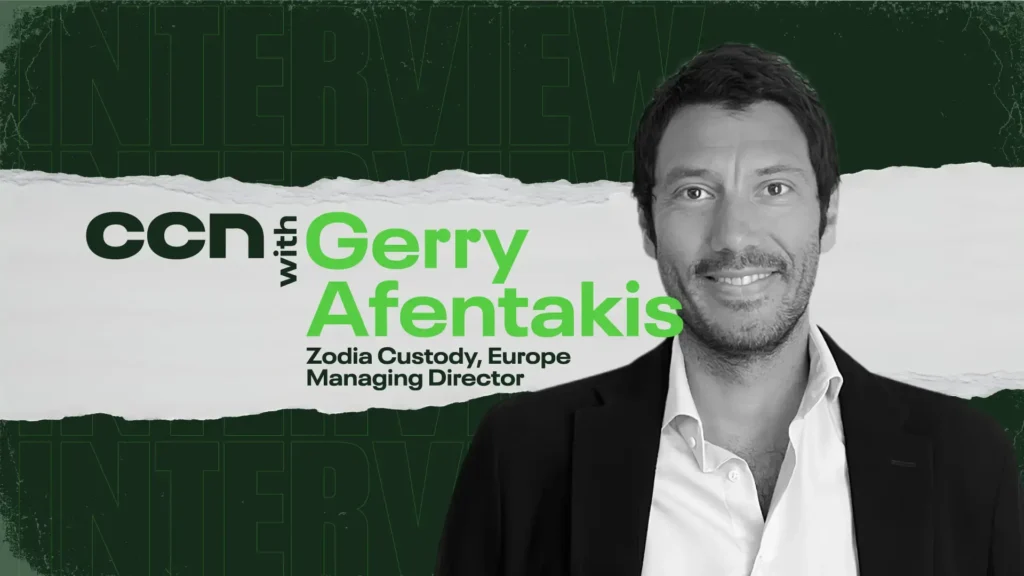
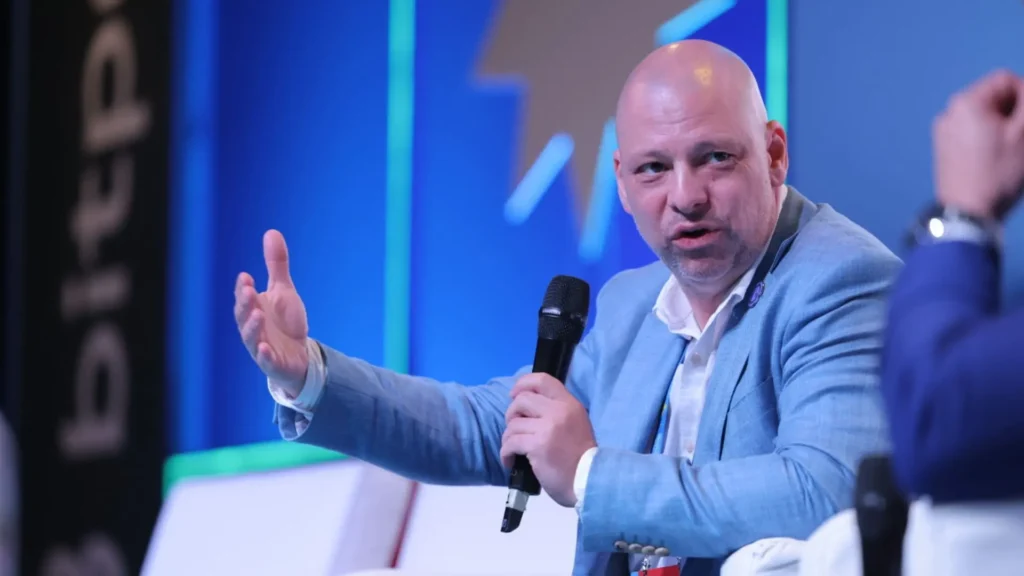
Speaking with Zodia Custody’s European Managing Director, Gerry Afentakis, the future is looking bright for financial institutions.
Two Paths
Digital assets, whether cryptocurrencies, stablecoins, or tokenized real-world assets (RWAs), have captured the attention of the world’s largest financial institutions.
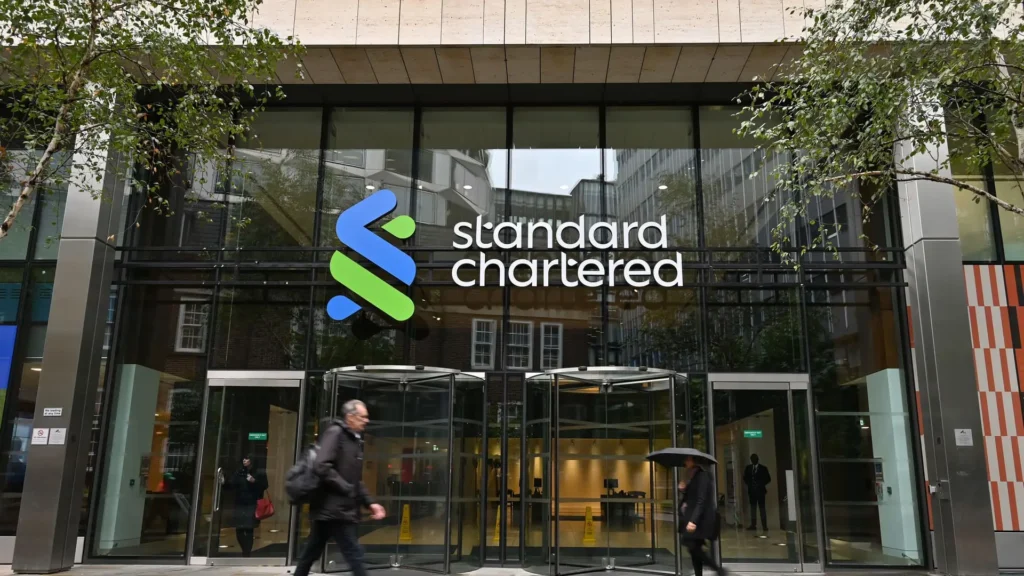
For the past five years or so, U.K.-based multinational behemoth Standard Chartered (SC) has been deepening its presence within the sector.
In 2021, SC Ventures partnered with Northern Trust to launch Zodia Custody, a crypto custody solution for institutional clients.
Afentakis, who leads its European business, explains that it’s currently in the process of its MiCA application, the pan-European regulatory framework that allows license holders to sell and distribute their products throughout Europe.
Institutional appetite is high in Europe, Afentakis notes.
“I’d say almost all traditional financial institutions at this point have taken their first step into digital assets in one form or another.”
They typically take two paths, he adds, “One is looking at tokenizing RWAs, it’s not just art, it’s security, private credit, even public debt, public fixed income.”
It’s exciting and interesting because digital assets settle instantly, he says, versus the T+1 or T+2 settlement rules that take up to two days to finalize in traditional markets, plus holidays and so on.
Instead, crypto runs 24 hours a day, 365 days a year. That level of liquidity clearly has “massive systemic advantages that traditional finance players with their existing businesses can leverage,” he expressed.
The second path they’re taking is looking at how to offer access to digital assets through their existing distribution channels.
He explains that people looking to invest in Bitcoin, Ethereum, or other cryptos may lack expertise, know-how, or even understand what an ETF or ETP is, and make an investment.
So, instead of the hassle of opening an account on an exchange, learning how wallets work, on-ramps, and off-ramps, they’d “love to use their existing money channels, e.g., their retail bank, in order to access the asset class.”
It can be an interesting and lucrative commercial business line for banks themselves, he adds.
Future Tech
Zodia Custody initially launched in the U.K., which Afentakis explains came as a result of SC’s futurism department identifying blockchain as a “very likely component of future financial markets and financial market architecture.”
SC sought a company that offered regulated custody access, as it also concluded that custody would be the most fundamental step in any institution’s digital asset journey.
Though, after looking around, they realized there was no single custodian “up to the spec” that a tier one global bank would expect from a service provider.
They couldn’t find one native to digital assets, so they created Zodia.
U.K. appetite for custody solutions is “very strong,” Afentakis admits, despite the nation not quite having all its crypto policies and regulations in place at present.
“But I think what we do know about the U.K., which is time-tested, is that the U.K. is extremely agile, forward-looking, inventive when it comes to providing the right regulatory framework for asset classes to thrive and to prosper. So I’m sure that’s just around the corner.“
He adds, the nation’s regulators are “very clever at looking at what works in the rest of the world, and adopting the best practices while defending against the downside.”
Digital Asset Treasuries
The DAT is a trend that was kick-started by Michael Saylor’s Bitcoin behemoth Strategy (formerly MicroStrategy), but caught fire in 2025 as dozens of firms launched DATs dedicated to one coin or another.
It’s a phenomenon concentrated in the U.S., but Afentakis notes that Zodia is active in conversations with treasuries, though he noticed the trend has receded somewhat.
“A lot of the treasuries that were trading at a multiple of the net asset value of the digital assets within them are now trading at a discount to that net asset value.”
This results in share buybacks, “kind of anathema to the whole idea of a DAT,” he posits.
“Because the idea was that if you had a Bitcoin, you could basically sell your Bitcoin for twice its worth by putting it into a DAT. Now, if you’re selling it for less than its worth, then obviously that’s not going to happen.”
That said, he couldn’t offer too many more details on the nature of these conversations; however, he notes the importance of regulatory compliance as the market produces new opportunities such as DATs.
Horizons
For Zodia’s shareholders, “their journey into digital assets represents almost a liability more than an upside in the initial stages,” Afentakis expressed.
So, Zodia is concerned with being at the highest point of regulatory compliance.
“We’re in all the study groups and participating in all the think tanks.” As a standard, he says, “Zodia is in those conversations,” Afentakis shared.
Ultimately, now that the U.S. “has unshackled itself”, the industry has more positive years ahead as it spurred traditional finance firms into action.
Since its founding in London, Zodia has become a global business across Luxembourg, the United Arab Emirates (UAE), Hong Kong, Singapore, and Australia.

Eddie is a gaming and crypto writer at CCN. Covering the often weird and wonderful world of Web3 with an adoring, but skeptical eye.
Prior to CCN, Eddie has spent the past seven years working his way through the crypto, finance, and technology industry. He began with PR and journalism with Bitcoin PR Buzz and BitcoinNews.com, eventually working his way to become a copywriter with a dozen firms, including the likes of Polkadot before returning to journalism in 2023.
Having studied Radio production and journalism at University in the UK, Eddie spent a few years making podcasts and presenting on a local London radio station as he built up his writing chops.
A lifelong skateboarder, Eddie can often be found at the skatepark or touring the streets looking for something new to try. That, or kicking back playing JRPGs on his original PSP.