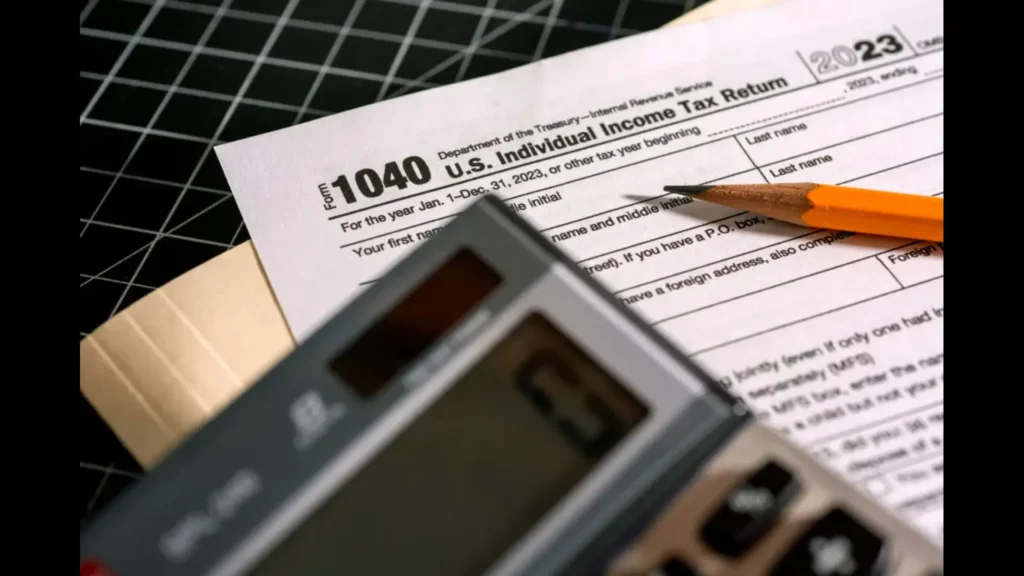
How crypto whales legally minimize taxes through smart strategies, loopholes, and planning. | Credit: Michael Bocchieri/Getty Images
Share
Key Takeaways
Crypto whales avoid triggering taxable events by borrowing against their holdings instead of selling them.
Selling large amounts of Bitcoin or Ether could expose whales to short-term rates up to 37% (U.S.) or long-term capital gains up to 20%.
Whales post crypto as collateral, typically at conservative loan-to-value ratios.
This strategy underscores the growing wealth gap between whales with access to credit and retail investors without.
Crypto “whales” (investors holding vast sums of cryptocurrency) often avoid selling large stakes to avoid massivecapital gains taxes.
Instead, they borrow against their coins to unlock cash. This strategy is legal and used worldwide: loans aren’t treated as income, so no taxable event is triggered.
In effect, whales can spend or invest the borrowed money while still “holding” their crypto, deferring taxes until they eventually sell (or sometimes avoiding them entirely).
Top Crypto Tax Accounting Software
Sponsored
Disclosure
We sometimes use affiliate links in our content, when clicking on those we might receive a commission at no extra cost to you. By using this website you agree to our terms and conditions and privacy policy.
Why Borrowing Beats Selling for Crypto Tax Purposes
Sellingcryptocurrency converts a capital asset into cash and triggers a capital gains event under U.S. tax law (and in many other countries).
For U.S. residents,crypto is classified as property. If you sell crypto for more than your basis, the profit is taxed – up to 37% federal for short-term gains, or 0–20% long-term after one year.
For a crypto whale, selling millions of dollars in Bitcoin (BTC) or Ether (ETH) could mean an enormous tax bill.
In contrast, taking out a loan against your crypto does not trigger a taxable sale. The IRS treats loans (evencrypto-backed loans) like any other debt: the borrowed funds aren’t income, so they aren’t taxed.
For instance, if you hold $1 million in Bitcoin and borrow $300K against it, you “keep your tokens andget funds tax-free.” Because the crypto collateral isn’t sold, there is no realization of gain (no IRS Form 8949 event).
In practical terms, the whale still owns the same crypto amount, so capital gains don’t occur until (and unless) the crypto is sold later.
If you sell crypto the wrong way you can lose more than half to taxes.
Imagine making $200K and sending $110K straight to the IRS.
Alice bought 100 BTC for $1,000 each. Today they’re worth $40,000 each. A sale of 10 BTC would create a $390K gain per coin (taxable).
Instead, Alice borrows $400K against those 10 BTC as collateral. She pays interest on the loan, but the borrowed $400K isn’t taxed as income. Alice can use the $400K freely and still “own” her 10 BTC.
Because loans are not taxable, this is often called a “borrow, don’t sell” loophole. (Legally, it’s more of a planning strategy than a loophole.) It mirrors classic wealth tactics: build up assets, borrow against them to spend, and defer or avoid taxes until death (“buy, borrow, die”).
Crypto-rich individuals use this every day. A recent blog notes that “big players borrow conservatively,” using low loan-to-value ratios to be safe, and treat loans as a form of tax-free withdrawal.
How US Tax Law Treats Crypto Loans
In the U.S., IRS guidance says crypto is property, so sales or exchanges of crypto are capital gains events. However, borrowing against property is not a sale.
Taking acrypto loan “generally does not trigger taxable income as you’re not selling your crypto.” Similarly, “when you borrow money, the IRS does not treat it as a taxable event.”
In short, theIRS views the borrowed dollars as debt, not a gain.
Key points:
No gain on loan issuance. Receiving loan proceeds is not taxable income. You only owe tax when you dispose of (sell or give away) the crypto collateral.
Interest payments. Paying interest on the loan is just like any other loan. It’s not tax-deductible unless the loan was for business purposes. (Interest paid in crypto can itself become a taxable event if that crypto appreciates since purchase.)
Repayment and liquidation. If you repay the loan in cash, that doesn’t trigger tax. But if you eventually sell the crypto (for example, if you default and the lender liquidates your collateral), that sale is a taxable event. Also, if you repay the loan by giving the lender the crypto back, that is effectively a sale at market value – again taxable.
Whales understand these nuances. They know that simply borrowing and repaying in fiat keeps them in IRS good graces. Only selling the crypto is taxed. If crypto prices rise dramatically while their loan is outstanding, they can even refinance or borrow more, delaying any sale.
Of course, if prices fall and their collateral ratio hits a threshold, the lender may liquidate some crypto to cover the loan – and that sale would trigger capital gains (or losses).
Borrowing vs Selling Crypto: What’s the Smarter Move?
Selling crypto: You trade crypto for cash. The difference between sale price and your cost basis is a capital gain (or loss). Taxable.
Borrowing against crypto: You keep the crypto and borrow dollars (or stablecoins) with it as collateral. You receive cash, but you still “own” the crypto. Since you didn’t sell, no capital gain is recorded. The loan is debt, not income.
This is legal and common.
If you want cashwithout triggering a tax bill, crypto-backed loans might be the cleanest legal crypto tax loophole. Whales often use regulated lending platforms or private banks that offer crypto-collateralized loans.
For example, platforms like Nexo, BlockFi, or Ledn let you lock coins for a loan. Institutional services (OTC desks, private banks) can offer large loans to billionaires with customized terms. All treat the crypto the same: no capital gains tax until actual sale.
How Crypto Whales Save Millions in Taxes: Real Examples
Crypto-backed loans: A typical tactic is to borrow from stablecoins or banks. For instance, a user could take 50% loan-to-value: post 100 BTC worth $10 million as collateral to get $5 million in USD or USDC. They live off the $5 million, pay interest yearly, and still hold 100 BTC. If BTC doubles, theycould borrow more on the appreciated collateral, still not realizing gains.
Margin accounts and credit lines: Some whales use specialized crypto lending services or even margin accounts. They deposit crypto and pull out cash lines. Again, until margin calls force selling, the IRS treats this as debt.
Michael Saylor’s “never sell” playbook: Strategy’s co-founder and outspoken Bitcoin whale has publicly emphasized that henever intends to sell his Bitcoin. Instead, he advocates borrowing against holdings. Strategy itself has issued corporate debt and taken Bitcoin-collateralized loans to buy even more BTC. Saylor frames Bitcoin as pristine collateral and uses it to raise funds without triggering taxes.
Other whales’ corporate structures: Some whales use holding companies or trusts to borrow at scale. For example, family offices and early Ethereum investors have set up offshore or institutional lending arrangements, using crypto as collateral for large USD or stablecoin loans. This allows them to invest in real estate,venture capital, or even more crypto, all while avoiding taxable sales.
Buy, hodl or borrow: Wealthy investors may never sell. They keep crypto until death, borrowing as needed. Upon death, heirs get a stepped-up basis and pay no capital gains on any appreciation during the owner’s life.
Risks are non-trivial: if crypto value plunges, lenders liquidate collateral, forcing a sale and tax. Also, loans incur interest and fees. Centralized lenders might fail (e.g. Celsius, BlockFi collapses). But for giant holders with diversified wealth, loans remain safer than selling enormous chunks at once.
Global Crypto Tax Landscape Explained
U.S.: Crypto sales = capital gains tax. Borrowing = no immediate tax. Whales can legally delay taxes indefinitely.
U.K.: Crypto gains are subject to capital gains tax (10–20%).HMRC guidance notes that if beneficial ownership is not transferred, lending out crypto doesn’t count as a disposal. In practice, a simple collateral loan (where you retain ownership) usually avoids CGT. However, HMRC scrutinizes “beneficial ownership” – if they deem you gave up control, the loan could be taxable.
Switzerland: For private investors, crypto capital gains are generally tax-exempt. So selling is often tax-free. In this case borrowing is less about capital gains and more about liquidity or avoiding wealth tax.
Germany: Crypto held >1 year = tax-free; held <1 year = ordinary income up to 45%. Thus German whales simply hold long-term to avoid tax. Borrowing still works: it delays the sale beyond one year, meaning eventual tax-free gain.
UAE (Dubai): 0% personal income or capital gains tax. Whales here can sell freely with no tax cost. Borrowing is moot for tax reasons, but some still take loans for convenience or to avoid repatriating funds.
Singapore:0% capital gains tax for individuals. Crypto trading gains are not taxed (unless deemed business income). Whales in Singapore pay no tax on crypto sales, so loans are used mainly for leverage or diversification.
Japan: Up to 55% tax on crypto gains, since gains are classified as miscellaneous incomesubject to high progressive rates. This makes loans extremely attractive: instead of selling Bitcoin at a 55% hit, a whale can borrow against it tax-free.
Each jurisdiction’s rules are evolving. But the trend is clear: loans avoid triggering sales. Outside the U.S., whales might also relocate or use offshore entities to minimize taxes, but borrowing remains a core tool.
How Crypto Loans Really Work
Imagine crypto like a valuable painting you own. If you sell it, you owe tax on the profit.
If instead you borrow cash from a bank with the painting as collateral, the bank keeps the painting but you can still ‘have it back’ after repaying.
You didn’t sell, so no tax. Crypto loans work similarly: the platform holds your crypto in a wallet (security), you get cash. When you repay, you get crypto back.
Collateral: You must lock up more crypto than you borrow (e.g. 50% LTV). This keeps the loan secured.
Interest: You pay interest (say 10–15% APR). For whales, this is a cost of tax deferral.
Liquidation: If crypto drops too much, part of your collateral is sold automatically. That sale then triggers tax on the gain (if it’s above your basis). Whales avoid this by choosing conservative ratios.
To use the strategy:
A crypto investor is required to deposit funds at a lending service (CEX, DeFi, or OTC).
Take a stablecoin or USD loan.
Spend or invest that loan freely.
Meanwhile, they must keep an eye on the loan terms.
Eventually, when they choose, sell some crypto (and pay tax) or repay the loan and release the collateral.
Risks of the Crypto Borrowing Strategy
While powerful, this approach carries risks that whales must manage carefully.
Volatility risk: Crypto markets are famously volatile. If the value of collateral falls sharply, lenders may issue margin calls or liquidate assets to protect themselves. Whales often over-collateralize to avoid this—posting, say, $100 million in Bitcoin for a $10 million loan.
Counterparty risk: Not all lenders are created equal. If a lending platform fails (as seen with Celsius, Voyager, and others), borrowers could lose collateral. Whales typically work with multiple providers or private banks to mitigate this.
Regulatory scrutiny: Tax agencies are increasingly aware of these strategies. While borrowing itself is legal, improper structuring or mixing personal and business funds can attract audits. Compliance and professional advice are critical.
Historical Parallels: Traditional Finance Vs. Crypto
This strategy is not unique to crypto. For decades, the ultra-wealthy in traditional finance have used debt as a shield against taxes.
Real estate moguls:Property owners routinely refinance appreciated buildings. Instead of selling and paying capital gains, they borrow against the property’s value to fund new purchases.
Equity investors: Founders of tech companies often pledge stock as collateral for personal loans. This gives them spending power without selling shares and triggering taxable events.
Crypto whales are simply applying the same logic to a new asset class.
The Bigger Picture: Wealth Preservation vs. Retail Behavior
Retail investors often think short-term. When their token doubles, they sell, celebrate, and pay taxes. Whales, in contrast, think in decades. Preserving wealth and compounding it over generations matters more than quick wins.
By borrowing instead of selling, they keep exposure to the upside of digital assets while sidestepping the erosion of taxes.
Moreover, this strategy highlights the growing divide between retail and institutional approaches. Access to credit lines, private lenders, and tax advisors makes borrowing easier for whales. Ordinary investors may struggle to replicate this without substantial collateral.
Reducing Crypto Taxes Legally vs. Tax Evasion
When it comes to crypto, the line between smart tax planning and illegal evasion is critical to understand. Crypto whales rely on legal methods to minimize their tax exposure, not to evade taxes.
Legal Tax Reduction (Tax Avoidance / Planning)
Borrowing instead of selling: As explained earlier, loans are not taxable events. Using crypto as collateral allows whales to access liquidity while delaying or reducing their capital gains obligations.
Long-term holding: In the U.S., holding crypto for over one year qualifies for long-term capital gains rates (0–20%), much lower than short-term rates (up to 37%). Simply waiting can cut the tax bill in half.
Relocation and residency: Moving to a favorable jurisdiction is another legal tactic. For example, relocating from the U.S. to Dubai or Singapore, where there is no capital gains tax, can eliminate future tax obligations on crypto disposals.
Entity structures and trusts: Wealthy holders may use LLCs, offshore companies, or trusts to manage holdings, gain access to institutional loans, or reduce inheritance tax liabilities. All of these strategies are legal when properly structured.
Illegal Tax Evasion
Failing to report sales or gains: Not reporting crypto disposals to the IRS or local tax authority is tax evasion. Exchanges now provide 1099 forms in the U.S., making underreporting riskier than ever.
Hiding assets offshore: Some investors have tried to keep crypto wallets undisclosed in offshore accounts. If discovered, this is illegal and can carry severe penalties, including criminal charges.
“Disguised sales”: Structuring sham loans that are really disguised sales to avoid taxes can be considered evasion. If a loan has no real repayment terms or transfers ownership, tax authorities may reclassify it as a taxable disposal.
For crypto whales, the key to protecting wealth is not selling but borrowing. By treating their digital assets as collateral rather than cashing out, they unlock liquidity while avoiding immediate taxes. This strategy mirrors techniques long used by real estate tycoons and stock market billionaires, but with crypto’s 24/7 global markets, it becomes even more powerful.
The approach is not without risk, such as volatility, lender reliability, and regulatory scrutiny all loom large, but when executed properly, it is the secret weapon that allows whales to grow and preserve fortunes.
As the crypto ecosystem matures, understanding these structures will matter not just for whales but for anyone serious about long-term wealth building.
The lesson is simple: in crypto, the real power move isn’t selling, it’s borrowing.
Isn’t borrowing against crypto a “loophole” or illegal tax evasion?
No – it’s a legal financial strategy. Loans are treated like any other debt, not income. You are simply accessing liquidity without selling your asset. Tax law in the U.S. and elsewhere recognizes that loans aren’t taxable events. Of course, if you default and the collateral is sold by the lender, that sale is taxed. But up to that point, it’s entirely legal.
What can I borrow endlessly and never pay tax?
Not indefinitely. You still owe tax when you eventually dispose of (sell or lose control of) your crypto. Borrowing defers tax, it doesn’t eliminate it (unless using strategies like death-to-heirs). Also, loans have costs (interest) and risks (liquidation).
What if I repay the loan with my crypto?
Repaying with your crypto is effectively selling the crypto to get your loan money back. That is a taxable event equal to a sale: the IRS will treat it like you disposed of crypto worth the loan amount. So most borrowers repay in cash (fiat or stablecoins) to avoid that.
Does crypto loans work for any amount of cryptocurrencies?
In principle, yes – loans scale. However, very small loans might not be practical due to fees. For whales, even millions borrowed attracts relatively low fees. But even modest investors use crypto loans to avoid small taxes or to manage cash flow.
Disclaimer:
The information provided in this article is for informational purposes only. It is not intended to be, nor should it be construed as, financial advice. We do not make any warranties regarding the completeness, reliability, or accuracy of this information. All investments involve risk, and past performance does not guarantee future results. We recommend consulting a financial advisor before making any investment decisions.
Giuseppe Ciccomascolo began his career as an investigative journalist in Italy, where he contributed to both local and national newspapers, focusing on various financial sectors.
Upon relocating to London, he worked as an analyst for Fitch's CapitalStructure and later as a Senior Reporter for Alliance News. In 2017, Giuseppe transitioned to covering cryptocurrency-related news, producing documentaries and articles on Bitcoin and other emerging digital currencies. He also played a pivotal role in establishing the academy for a cryptocurrency exchange website. Crypto remained his primary area of interest throughout his tenure as a writer for ThirdFloor.


 Intermediate