The Fed’s 25bps rate cut isn’t the bullish signal Bitcoin investors hoped for. Learn why this “Not-QE” move points to deeper liquidity stress. | Credit: CCN.com
Share
Key Takeaways
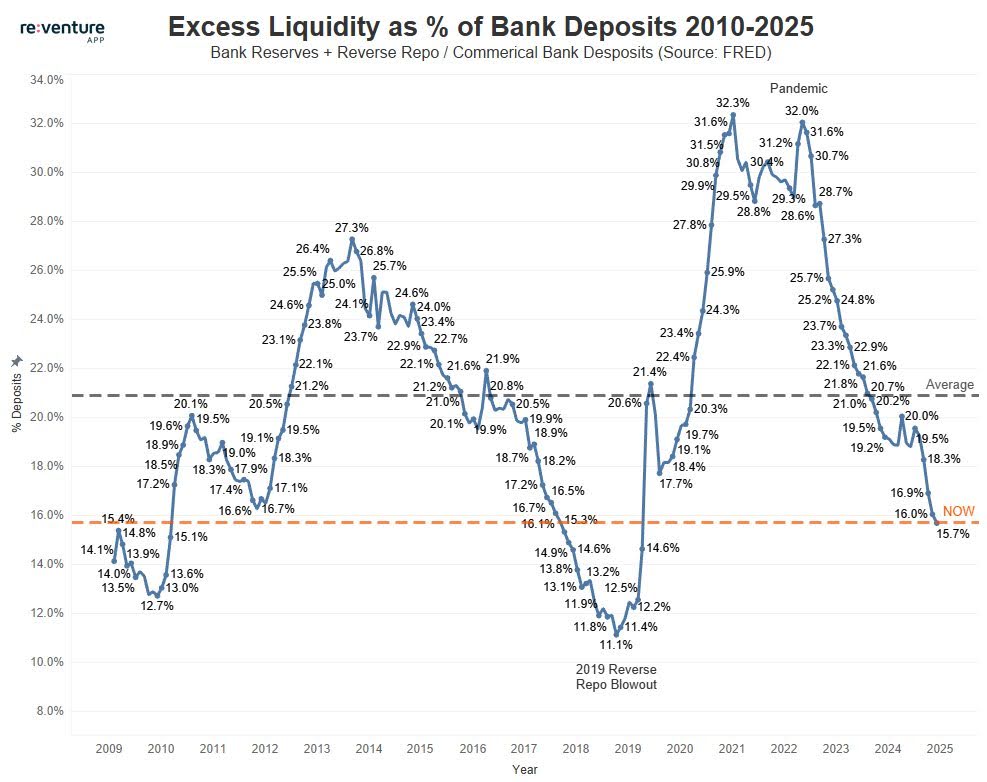
The Fed reduced rates and announced $40B in T-bill purchases not to stimulate markets, but to prevent liquidity from breaking in the banking system.
The Fed’s action is not QE, it’s emergency “plumbing” to keep short-term funding markets stable as reserves fall toward dangerous levels.
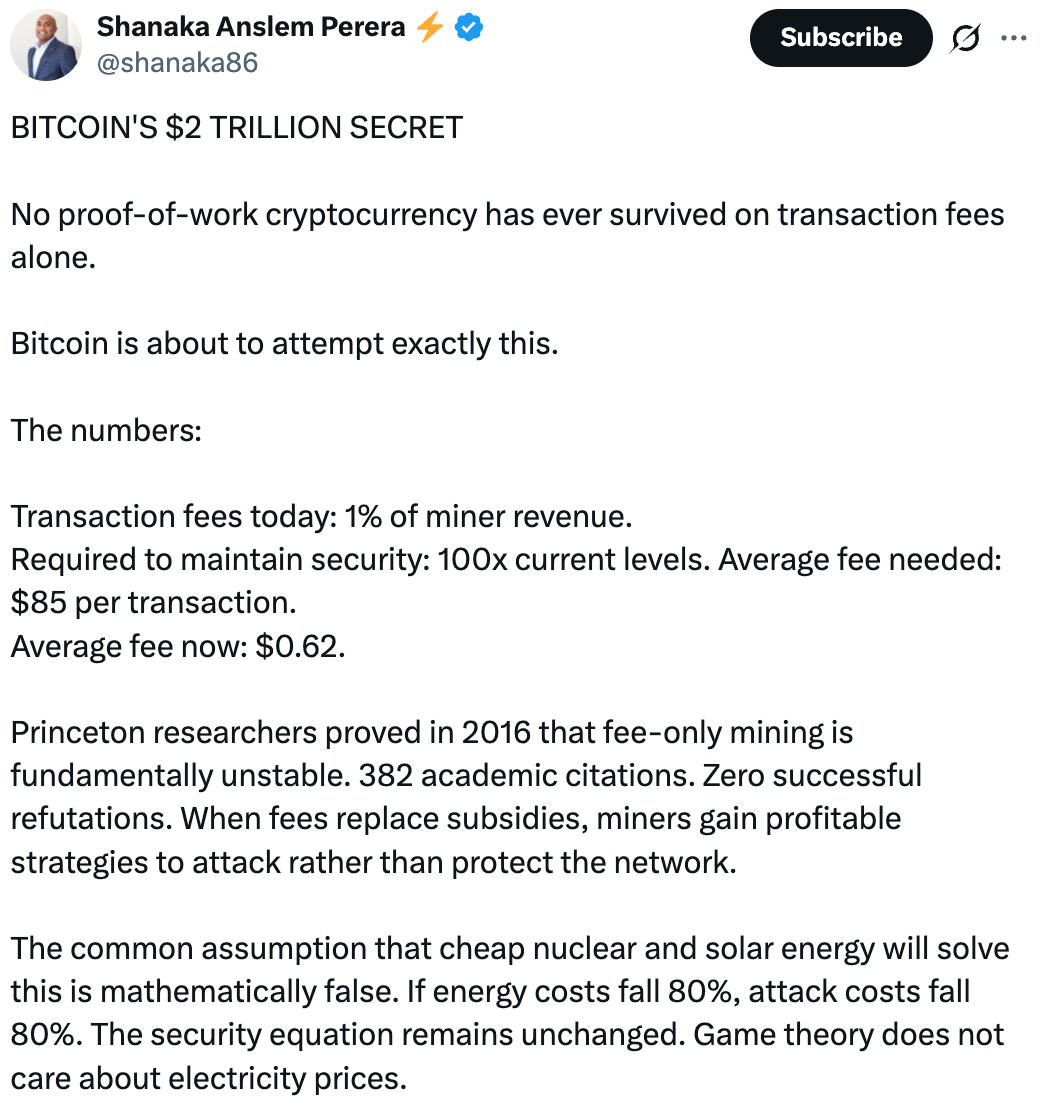
Bitcoin’s own security economics are under strain, and fees remain too low to support miners in the long term.
ETF flows, adoption, and institutional interest remain healthy, but tight liquidity caps upside.
Bitcoin investors tend to cheer every Federal Reserve rate cut as if it guarantees higher prices. In a world shaped by a decade of money printing and near-zero interest rates, that reaction makes sense. Historically, falling rates have meant easier liquidity, rising risk assets, and bull markets everywhere.
But the Fed’s rate cut by 25 bps on December 10, 2025 is different, and so is the environment surrounding it. The Fed’s recent stance, delivered alongside a surprise announcement that it will buy $40 billion in Treasury bills over the next 30 days, has triggered a wave of confusion.
The Fed is not easing to pump markets. It is not injecting stimulus to boost the economy. It is trying to prevent something from breaking.
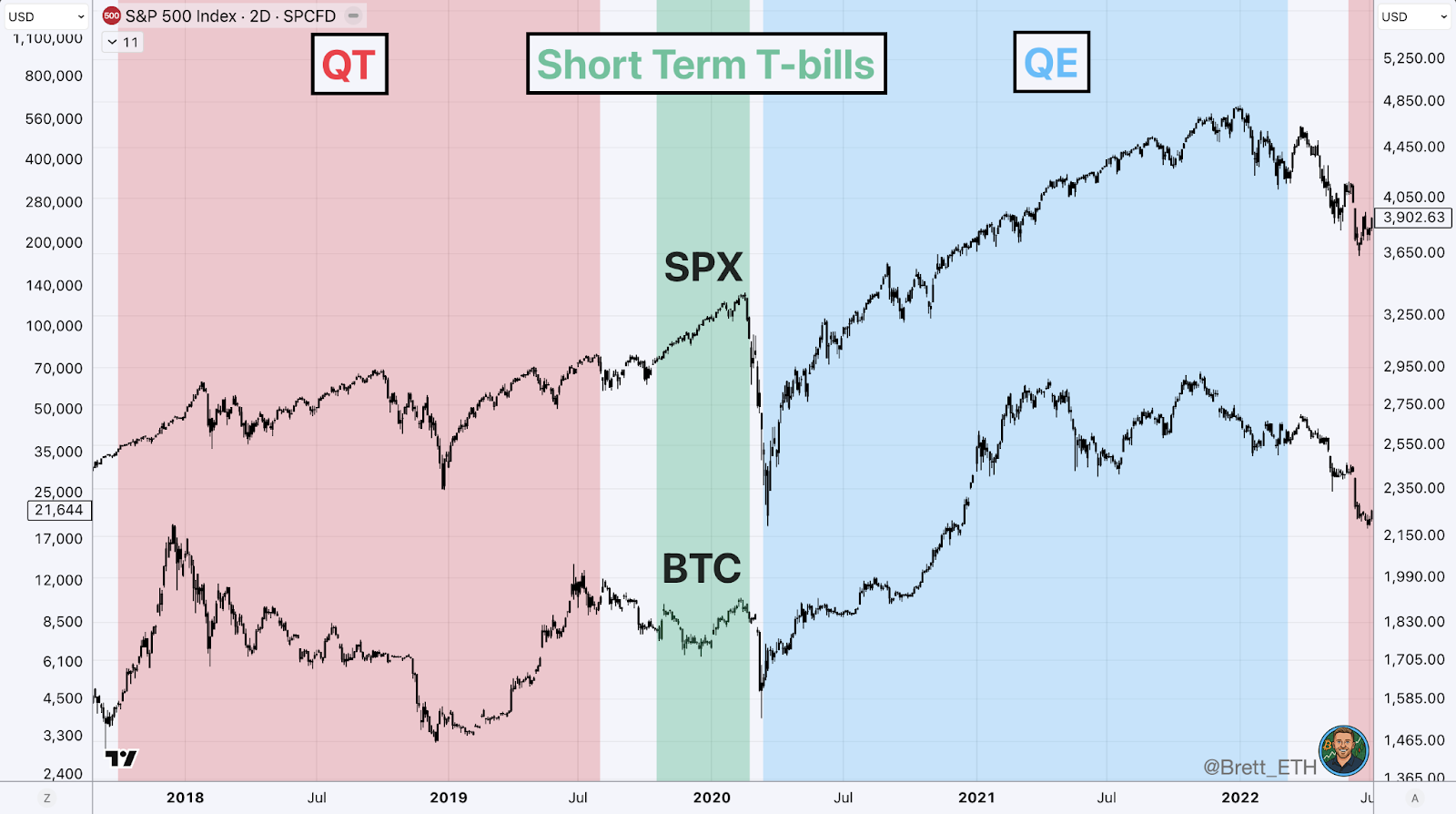
Understanding that difference is crucial because Bitcoin trades on liquidity, not hope. And the type of liquidity being added today is not the kind that pushes Bitcoin to new highs. If anything, it’s a warning shot that the financial system is entering a more fragile phase.
Both involve buying government debt, but for entirely different reasons.
What’s the Real Problem? A $2 Trillion Debt Bomb Hits in 2026
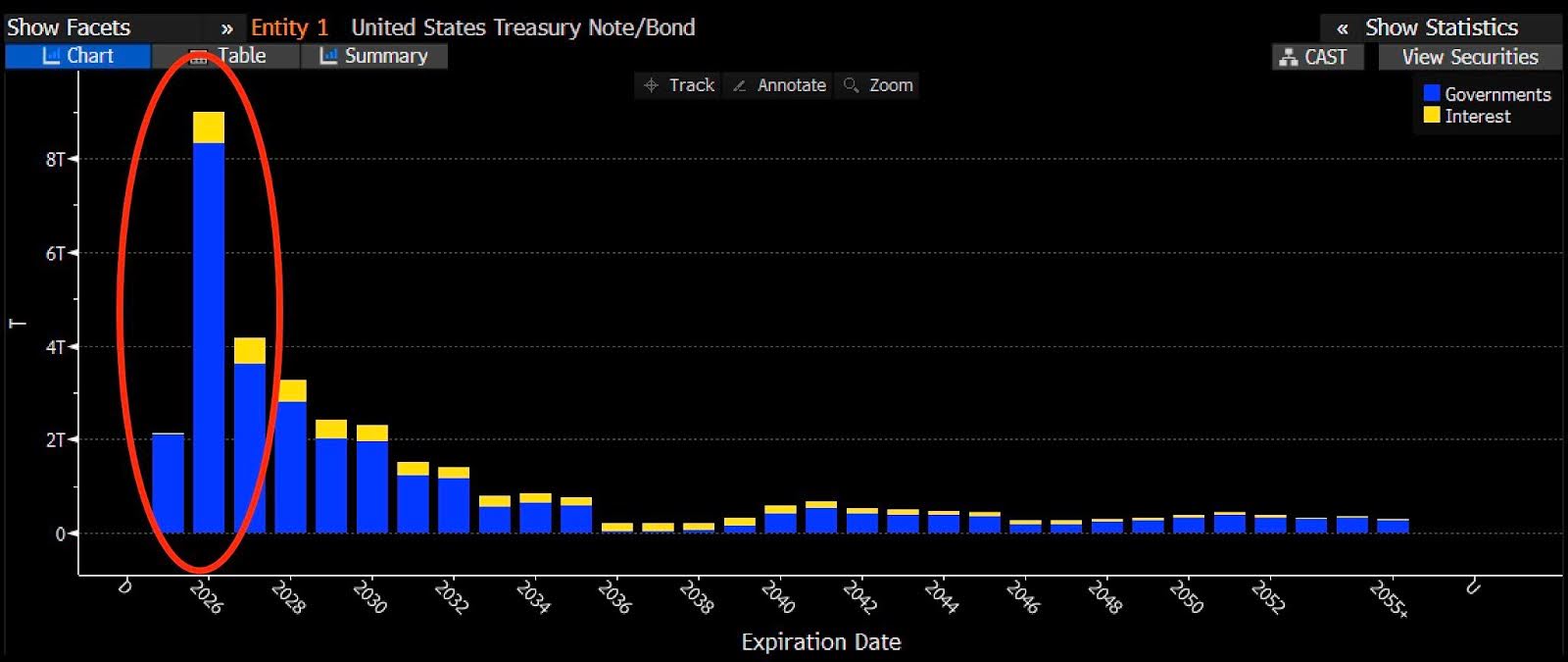
The bigger story, and the one investors are still ignoring, is that the U.S. government faces a massive refinancing wave in 2026.
Look at the debt maturity profile: a giant spike of trillions in bonds comes due all at once. They were issued in 2020–2021, when rates were near zero. Now all of that must be refinanced at 4-5%.
U.S. Treasury notes. | Credit: Bloomberg
This means:
The government’s interest bill will explode.
The deficit will widen further.
The Treasury will need to issue even more debt just to pay for the old debt.
Someone has to buy that debt, like households, banks, foreign governments, or the Fed.
But here’s the issue: banks don’t want more long-term Treasuries. Foreign buyers have cut back. Households aren’t big enough. That leaves only one buyer of last resort: the Federal Reserve. The current “bill purchases” are not stimulus. They’re preparation.
The Fed is stabilizing the short-term plumbing now because it knows the system cannot withstand additional stress when the 2026 debt wall arrives.
Why this matters for Bitcoin:
A sovereign refinancing crisis is initially deflationary, not inflationary.
Labor Market Is Cracking and That’s Why the Fed Cut
Powell’s press conference had one line that should make Bitcoin investors nervous: “We see signs the labor market may be weaker than previously understood.”
This is the first time in years that the Fed has openly acknowledged a softening in the labor market.
A rate cut during strong labor markets typically turns bullish, while a rate cut during weakening labor markets signals a bearish trend.
In 2025, unemployment will have been rising for nearly two years. This rate cut is not a victory. It’s a concern.
If unemployment spikes in early 2026, as Powell hinted, the Fed will be forced to cut deeper. But deep cuts don’t come at market tops; they come when something is breaking.
Bitcoin Faces Its Own Unspoken Problem: Security Economics
Even if macro conditions were perfect, Bitcoin has a separate structural issue most investors don’t understand:
Bitcoin requires approximately 100 times higher fee revenue to maintain long-term security once block rewards shrink.
Academic research indicates that fee-only mining can lead to instability, miner manipulation, and security breaches.
No proof-of-work chain in history has survived solely on fees.
Ethereum, Monero, and every major PoW coin either changed designs or adopted perpetual issuance.
Bitcoin is the only one trying to run the experiment. The critical window arrives by 2032, when block rewards are expected to shrink again. This doesn’t mean Bitcoin will fail, but it does mean risk increases over time unless fees rise dramatically.
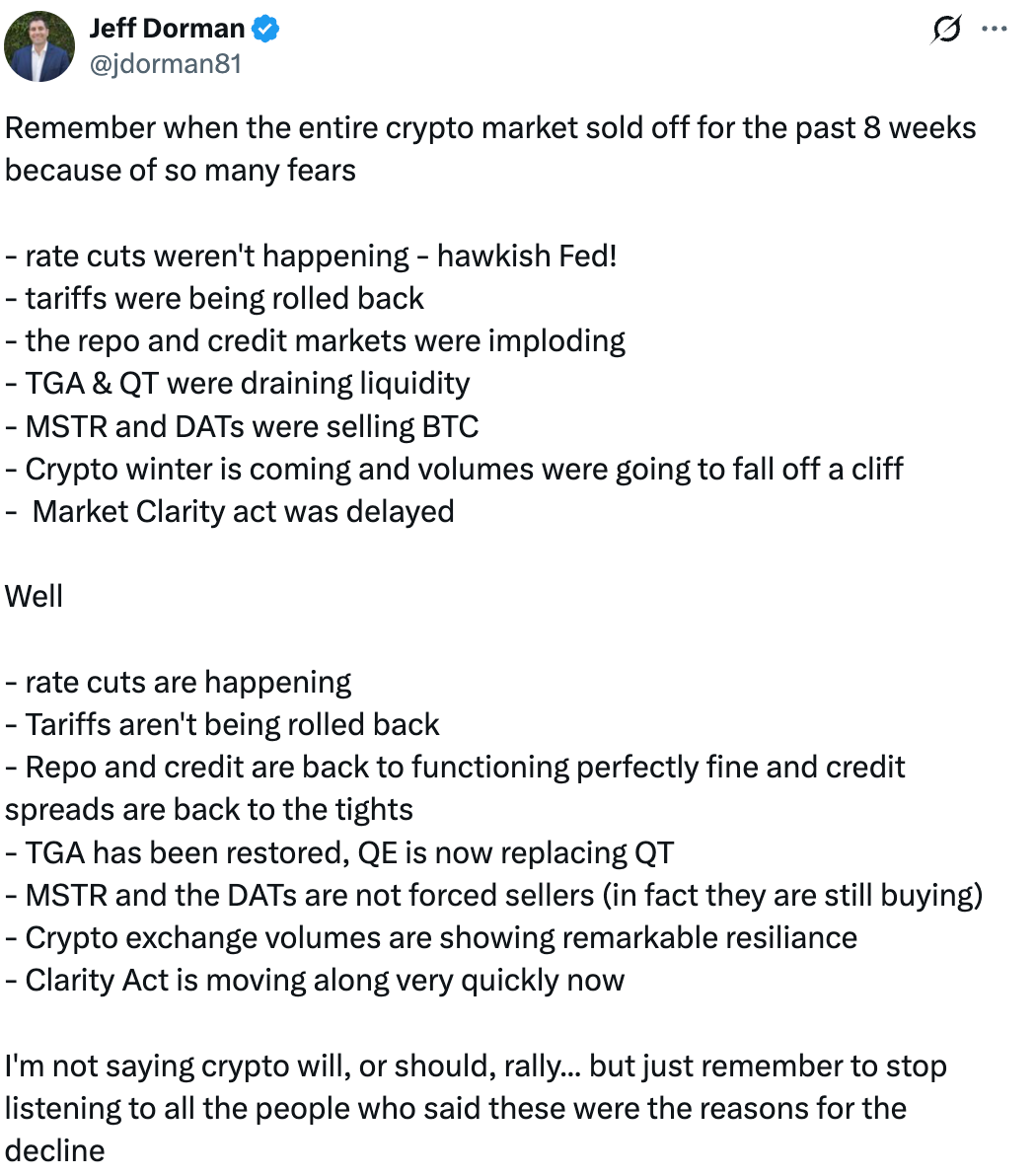
Crypto market analysis. | Credit: Jeff Dorman X profile
Risk assets tend to struggle during early recession cycles.
This 25bps cut is not a green light, but it’s a yellow flag. A Fed worried about liquidity is not bullish. A a Fed worried about labor markets is not bullish. And a Fed preparing for a 2026 refinancing crisis is not bullish.
When the real QE begins, the true long-duration, multi-trillion bond-buying QE will be bullish for Bitcoin. But we are not there yet.
Currently, the Fed is not easing to pump up markets: it is easing to avoid a breakdown. That is not the same thing.
And Bitcoin, which thrives on abundant liquidity, must navigate a tightening system before it reaches the next real wave of monetary expansion.
No. The Fed’s Treasury bill purchases are not QE. QE targets long-term bonds and aims to stimulate markets. The current program buys short-term bills only to prevent a reserve shortage in the banking system, an emergency plumbing fix, not stimulus.
If the Fed is buying Treasuries, why isn’t Bitcoin surging?
Because this isn’t the kind of liquidity that boosts risk assets. Bill purchases help stabilize the plumbing of money markets, not inject broad liquidity into the economy. BTC rallies on abundant, system-wide liquidity, and that’s not happening yet.
Why did the Fed cut rates if the economy is supposedly strong?
Because the labor market is weakening. Powell explicitly said the job market may be “weaker than previously understood.” Rate cuts that occur when unemployment rises are historically recession signals, not bullish catalysts.
What’s the bottom-line message for investors?
This rate cut is not bullish. It is a warning, not a green light. The Fed is acting to prevent a liquidity break, not to boost markets, and Bitcoin trades on the type of liquidity the Fed is not providing right now.
Disclaimer:
The information provided in this article is for informational purposes only. It is not intended to be, nor should it be construed as, financial advice. We do not make any warranties regarding the completeness, reliability, or accuracy of this information. All investments involve risk, and past performance does not guarantee future results. We recommend consulting a financial advisor before making any investment decisions.
Giuseppe Ciccomascolo began his career as an investigative journalist in Italy, where he contributed to both local and national newspapers, focusing on various financial sectors.
Upon relocating to London, he worked as an analyst for Fitch's CapitalStructure and later as a Senior Reporter for Alliance News. In 2017, Giuseppe transitioned to covering cryptocurrency-related news, producing documentaries and articles on Bitcoin and other emerging digital currencies. He also played a pivotal role in establishing the academy for a cryptocurrency exchange website. Crypto remained his primary area of interest throughout his tenure as a writer for ThirdFloor.


 Easy
Easy