Crossmint explains why stablecoin firms need both MiCA and PSD2 licenses to offer compliant payments and scale across the European Union. | Credit: CCN.com
Share
Key Takeaways
Bybit EU launches a regulated, AI-driven ecosystem, introducing automated trading bots, Spot Margin, Lite Mode, and the Bybit Card.
MiCAR licensing enables Europe-wide operations, allowing Bybit EU to serve users across the European Economic Area.
Spot Grid Bot lets traders capture price swings by automatically placing buy and sell orders within a defined range.
Bybit EU’s approach reflects a broader industry shift: from speculative trading to structured, compliant participation.
Bybit EU is ushering in a new phase of crypto trading in Europe, one where automation, accessibility, and MiCAR regulation converge.
The exchange’s 2025 rollout introduces AI-powered bots, Spot Margin, a simplified Lite Mode, and the Bybit Card, all built within the Markets in Crypto-Assets Regulation (MiCAR) framework.
It signals an evolution toward structured, compliant, and smarter crypto participation for European users.
Try Our Recommended Crypto Exchanges
Sponsored
Disclosure
We sometimes use affiliate links in our content, when clicking on those we might receive a commission at no extra cost to you. By using this website you agree to our terms and conditions and privacy policy.
Bybit EU Explained: MiCAR Licensing, Nasdaq Partnership and EU-Wide Compliance
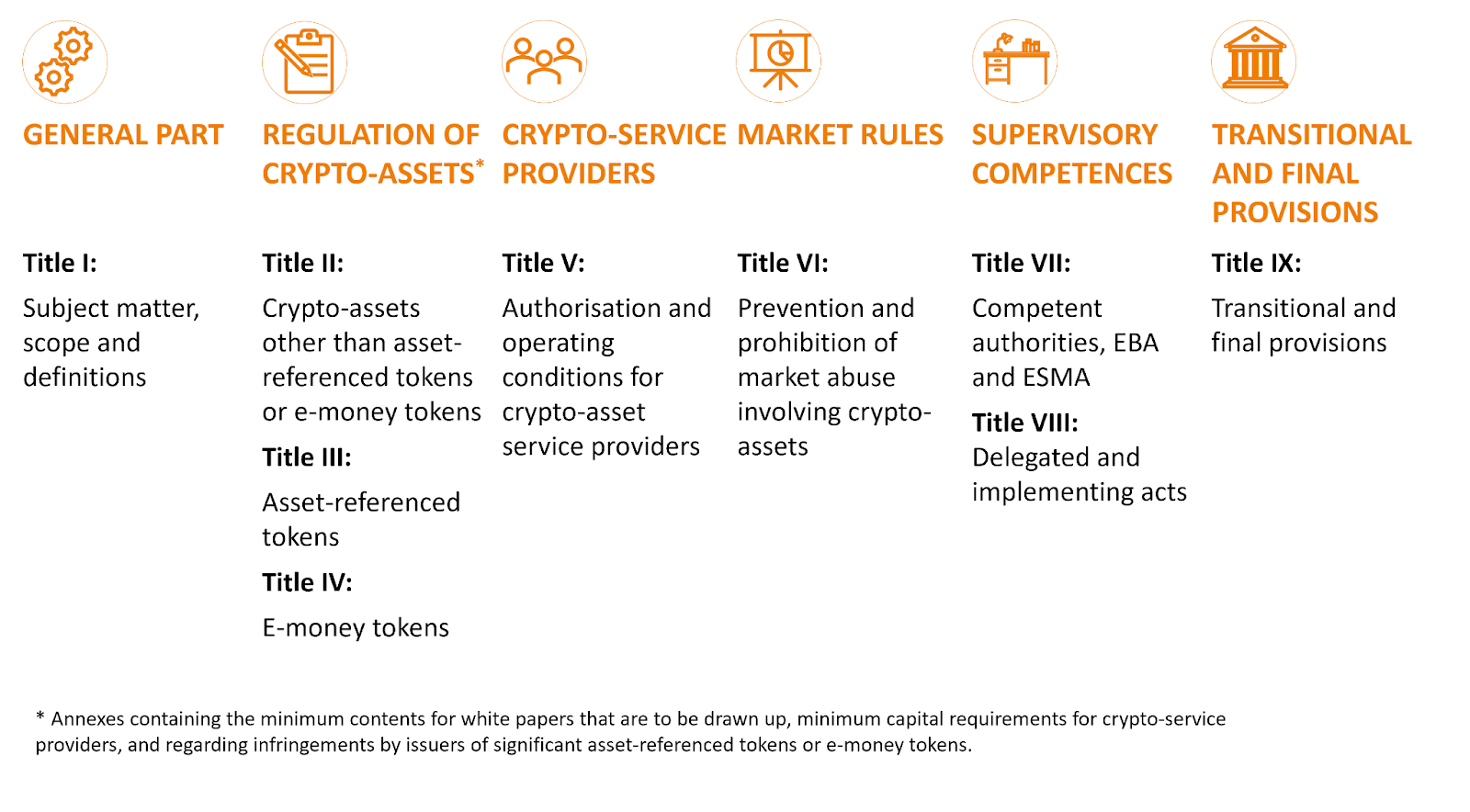
Bybit EU operates as the exchange’s fully licensed European arm, based in Vienna and registered under MiCAR in Austria. Through the EU’s “passporting” mechanism, this license allows Bybit to serve users across the European Economic Area (EEA) once national implementations are complete.
MiCAR process. | Credit: FMA Austria
MiCAR represents Europe’s first comprehensive regulatory regime for digital assets. It sets standards for:
Licensing of crypto service providers.
Safeguarding of customer funds and assets.
Transparency in token issuance and trading.
Market integrity, mirroring traditional finance.
To meet these new compliance standards, Bybit EU partnered with Nasdaq to deploy its Market Surveillance technology. This system monitors trading activity and flags anomalies that could suggest manipulation or abuse.
The new setup combines regulatory accountability with everyday usability. making crypto trading less speculative and more methodical.
Georg Harer, Managing Director and Head of Legal & Compliance at Bybit EU, told CCN, “Bybit EU was built around the principles of MiCAR, which we see as a crucial step towards building trust and protecting users in Europe.”
“Under our MiCAR license and the supervision of the Austrian FMA, we ensure that our platform is under full EU control, with a European team, systems, liquidity and pricing distinct from Global. This is exactly the kind of structure our regulator in Austria has been advocating for, one that gives users transparency and accountability rather than opaque global routing,” he added.
How Bybit EU’s DCA Bot Helps Traders Build Consistency in Crypto Investing
Consistency is the most challenging part of crypto trading for most retail investors. The Dollar-Cost Averaging (DCA) method helps by spreading purchases over time instead of trying to “time the market.”
Bybit EU’s DCA Bot automates this process. Users choose their crypto pair (for example, BTC/USDC), investment amount, and frequency: daily, weekly, or monthly. The bot executes each purchase automatically, creating an average entry price that smooths volatility over the long term.
Bybit launches DCA and Spot Grid Bots trading. | Credit: Bybit EU
Key features include:
Fully customizable trading pairs, frequency, and amount.
Data-driven recommendations based on current market conditions.
Real-time monitoring and manual pause or edit options.
No extra bot fees beyond standard spot trading costs.
This approach replaces emotional trading with a structured, rules-based strategy. It’s especially effective for users who build long-term exposure without constant market monitoring.
However, it’s important to note that DCA does not eliminate risk; it can still accumulate during prolonged downturns. Education and discipline remain the real edge.
Automated Buy Low, Sell High: How Bybit EU’s Spot Grid Bot Works
While DCA focuses on accumulation, the Spot Grid Bot targets short-term price fluctuations.
Users set the upper and lower limits, grid levels, and optional controls such as stop loss, take profit, and trailing-up, to let the grid move upward with the market.
Typical use cases:
Range-bound markets: Frequent, small profits from oscillating prices.
Volatile pairs: Bots adjust automatically to capitalize on rapid swings.
Portfolio diversification: Run multiple grids for different tokens.
If prices move sharply outside the grid, the bot may pause or hold open positions until the price re-enters the range. This reinforces that automation works best within clear market structures, not against them.
Bybit EU’s Spot Margin and Lite Mode: Balancing Compliance, Leverage and Accessibility
Bybit EU’s update goes further than automated trading. It focuses on practical crypto use within a compliant framework, combining market participation with financial utility.
Spot Margin: Controlled Leverage
The Spot Margin feature enables verified users to borrow funds for larger trades, typically up to 2× leverage, and sometimes up to 10× on select pairs.
Leverage can amplify returns, but it also magnifies risk. To align with MiCAR, Bybit EU integrates:
Real-time risk checks and liquidation alerts.
Transparent margin ratios and borrowing costs.
On-screen risk disclosures and education prompts.
Users can view collateral levels, interest rates, and liquidation thresholds anytime. It’s a way to learn about leverage responsibly, not just use it.
Lite Mode: Simplifying Crypto Access
For beginners, Lite Mode reduces complexity. It hides advanced order types and technical charts, offering a clean interface where users can:
Connect directly to DCA bots for small recurring purchases.
Switch freely between Lite and Pro Mode within the same account.
This dual-mode approach helps users learn gradually, starting simple and scaling up as their understanding grows.
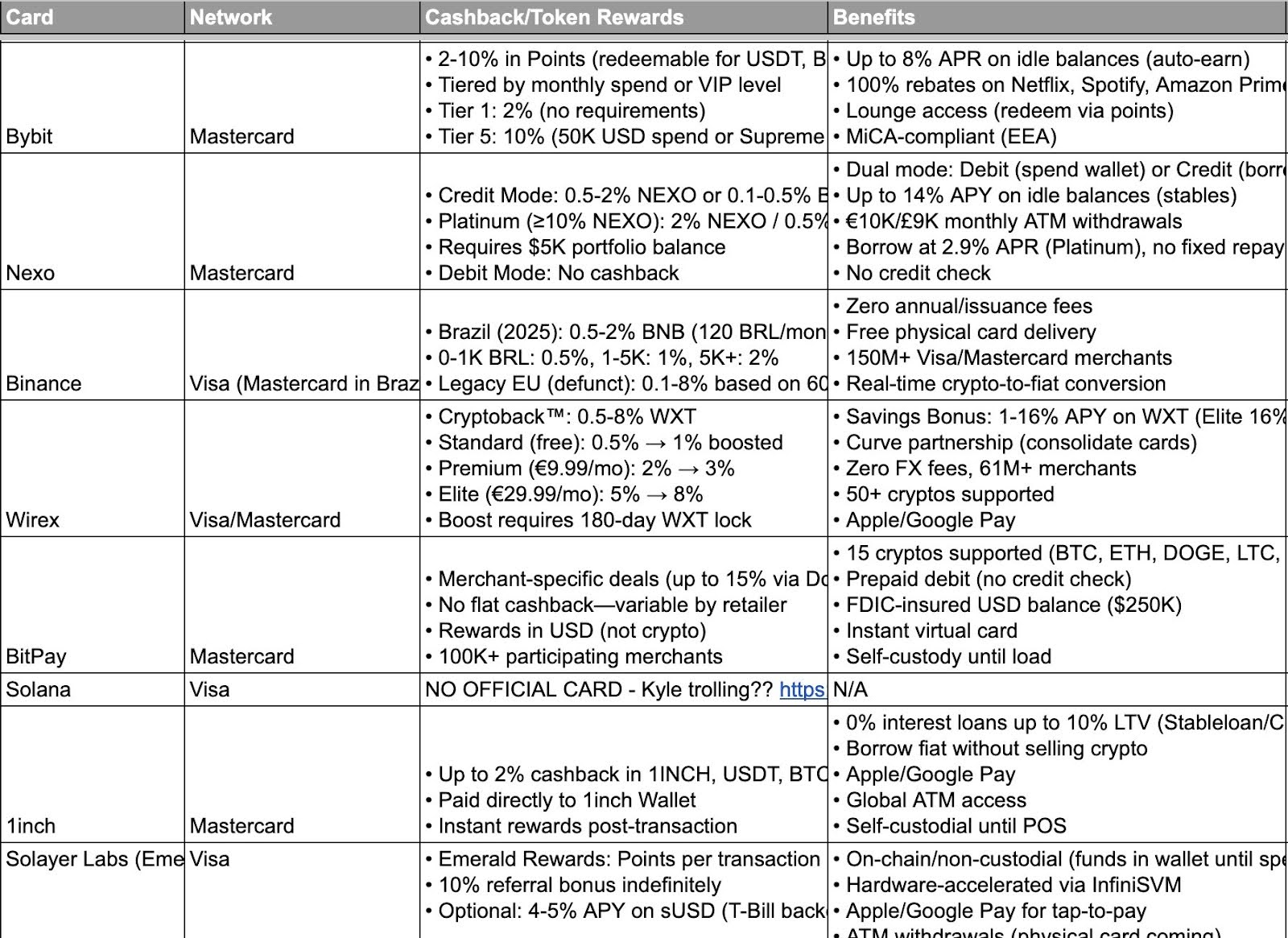
Mastercard Bybit Card: Spend Your Crypto Seamlessly Across Europe
The Mastercard Bybit Card lets users spend crypto anywhere Mastercard is accepted. When a payment occurs, Bybit converts the selected crypto (e.g., BTC, ETH, or USDC) into euros at the point of sale.
Card providers in Europe. | Credit: @S4mmyEth X profile
Notable features:
Real-time conversion and settlement.
Full integration with the Bybit EU dashboard.
Instant freeze/unfreeze, transaction tracking, and 2FA.
Regulated custody under MiCAR.
The card’s function extends crypto’s use beyond trading and has financial implications. Spending volatile assets can crystallize gains or losses and may have tax consequences, depending on national laws.
Key Risks and Best Practices for Responsible Crypto Trading on Bybit EU
Automation simplifies trading but cannot replace personal responsibility. Bybit EU’s design helps reduce friction, not eliminate risk.
Key Risks and Best Practices
1. Trading Bots
DCA bots continue buying during downturns, which can deepen short-term losses.
Grid Bots can hold unbalanced positions when prices break out of range.
Start small, test strategies, and monitor results regularly.
2. Spot Margin
Leverage magnifies exposure and liquidation risk.
Keep collateral ratios healthy and avoid borrowing to the limit.
Use alerts and manually manage positions during volatile periods.
3. Lite Mode
Simplicity does not mean risk-free.
Always verify order details before confirming transactions.
4. Bybit Card
Conversion happens at market prices, which can shift rapidly.
Spending stablecoins (e.g., USDC) can help reduce conversion risk.
5. General Safety
Enable two-factor authentication (2FA) and withdrawal whitelists.
Avoid third-party bot integrations or sharing API keys.
Pause automation during major events (e.g., CPI releases, FOMC meetings).
Diversify strategies instead of depending on a single tool.
The Markets in Crypto-Assets Regulation (MiCAR) marks a turning point for the European digital asset sector. It sets uniform custody, transparency, and operational resilience standards, making Europe one of the world’s most clearly regulated crypto markets.
Follow capital and governance standards similar to traditional financial institutions.
The regulation doesn’t just enforce compliance; it encourages innovation within defined boundaries. This balance could make Europe a model for responsible digital finance, blending growth with protection.
Bybit EU: Merging Automation and Compliance to Shape the Future of Crypto Trading
Bybit EU’s integration of AI-powered bots, risk-managed margin tools, and MiCAR oversight highlights a new phase in crypto’s evolution.
It’s a move away from impulsive trading toward structured, transparent participation.
It’s also a shift from “freedom without rules” to innovation under accountability, which could help crypto mature in the eyes of regulators and users alike.
For traders across Europe, the message is clear: automation and compliance can coexist. But success still depends on understanding, discipline, and continuous learning.
What is MiCAR, and why does it matter for European crypto users?
MiCAR (Markets in Crypto-Assets Regulation) is the European Union’s first unified framework for regulating digital assets. It introduces consistent licensing, custody, transparency, and consumer protection rules across the EU. For users, exchanges like Bybit EU must meet strict standards similar to those in traditional finance, including segregating client funds, monitoring markets for abuse, and ensuring transparency in all crypto offerings.
How does Bybit EU operate under MiCAR?
Bybit EU is headquartered in Vienna, Austria, and fully licensed under MiCAR in that jurisdiction. Once local implementations are complete, the license can extend across the European Economic Area (EEA) through EU “passporting.” This structure allows Bybit EU to legally serve users in multiple EU countries under a single compliance framework.
What are the key risks of using trading bots?
Automation minimizes emotion but not risk. DCA bots may continue buying during bear markets, increasing unrealized losses. Grid bots can become inactive or hold unbalanced positions if prices exceed their range. Users should start small, back-test strategies, and review settings regularly.
How does Bybit’s partnership with Nasdaq support compliance?
Bybit EU uses Nasdaq Market Surveillance technology to track transactions in real time. This system identifies unusual trading patterns or potential manipulation, similar to surveillance used in traditional stock exchanges. It’s part of Bybit EU’s commitment to meet MiCAR’s market integrity standards.
Disclaimer:
The information provided in this article is for informational purposes only. It is not intended to be, nor should it be construed as, financial advice. We do not make any warranties regarding the completeness, reliability, or accuracy of this information. All investments involve risk, and past performance does not guarantee future results. We recommend consulting a financial advisor before making any investment decisions.
Giuseppe Ciccomascolo began his career as an investigative journalist in Italy, where he contributed to both local and national newspapers, focusing on various financial sectors.
Upon relocating to London, he worked as an analyst for Fitch's CapitalStructure and later as a Senior Reporter for Alliance News. In 2017, Giuseppe transitioned to covering cryptocurrency-related news, producing documentaries and articles on Bitcoin and other emerging digital currencies. He also played a pivotal role in establishing the academy for a cryptocurrency exchange website. Crypto remained his primary area of interest throughout his tenure as a writer for ThirdFloor.


 Easy
Easy