Bitcoin's 1991 Space Quest 4 theory has regained momentum | Source: CCN
Share
Key Takeaways
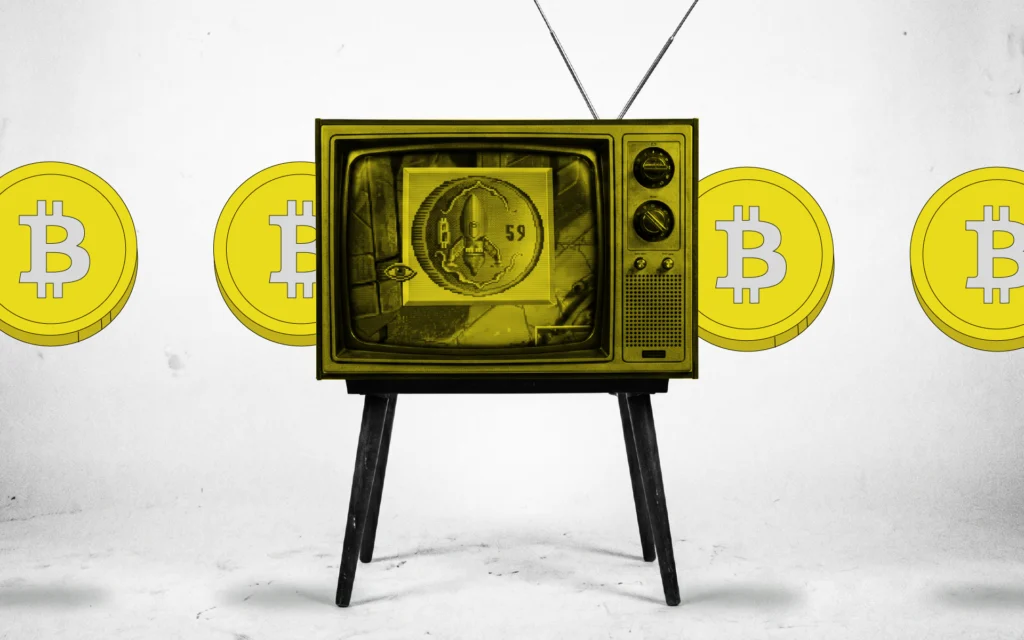
The Buckazoids coin from Space Quest IV (1991) features a symbol strikingly similar to Bitcoin’s logo.
Its rekindled theory is amplified by the coincidental names of Rod Nakamoto and Satoshi Uesaka.
Satoshi Nakamoto’s mystery remains unsolved.
A viral theory circulating across social media platforms is drawing renewed attention to a decades-old video game, with some users claiming it may have “predicted” Bitcoin long before its creation.
The speculation resurfaced after crypto exchange Binance posted on X that a Bitcoin-like logo had appeared in a 1991 video game, adding that “the lore goes deeper than you think.”
The post quickly gained traction, reviving a long-running theory at a time when attempts to identify Satoshi Nakamoto are reaching fever pitch.
Sponsored
Disclosure
We sometimes use affiliate links in our content, when clicking on those we might receive a commission at no extra cost to you. By using this website you agree to our terms and conditions and privacy policy.
At the center of the theory is Space Quest IV: Roger Wilco and the Time Rippers, a sci-fi adventure game released in 1991 by Sierra On-Line.
In the game, players use an in-game currency called “Buckazoids,” which functions as a standard medium of exchange for purchasing items and progressing through the storyline.
An inventory screen from the game shows a gold coin featuring a stylized “B” marked by two vertical strokes — closely resembling the modern Bitcoin symbol.
quick history lesson: bitcoin logo was spotted in a 1991 game
The coin also includes a rocket ship illustration and the number “59.”
While some online posts have pointed to the number as a potential hidden clue, it simply reflects the player’s current balance within the game at that moment.
The visual similarity between the Buckazoids symbol and Bitcoin’s logo, popularized nearly two decades later, has led some users to suggest the game anticipated the concept of decentralized digital money.
However, gaming and crypto historians broadly view the resemblance as coincidental.
The “Satoshi Nakamoto” Name Connection
However, the theory deepens when examining individuals connected to the game’s wider development ecosystem.
Online discussions frequently reference two real figures: Rod Nakamoto, a technology and gaming contributor known for his work on early computer hardware, and Satoshi Uesaka, a Japanese developer connected to projects distributed by Sierra in the United States.
The coincidence lies when their names get combined, resembling “Satoshi Nakamoto,” the alias used by Bitcoin’s unknown creator.
Despite the overlap, there is no evidence linking either individual to Bitcoin’s development or to cryptographic research.
Industry records also show that Space Quest IV was primarily developed by designers Mark Crowe and Scott Murphy, known as “The Two Guys from Andromeda,” with no documented involvement from either Nakamoto or Uesaka in the game’s core production.
Bitcoin Similarities, No Evidence
The theory has gained renewed momentum in 2025 as crypto communities revisit older internet mysteries and blend them with meme culture.
Some projects have even drawn inspiration from the Buckazoids concept, further amplifying the narrative online.
However, while the Buckazoids coin and its Bitcoin-like symbol are authentic elements of the 1991 game, there is no credible evidence to suggest any direct link to the later creation of Bitcoin.
Fresh Claims Emerge as Search for Satoshi Intensifies
The renewed interest in the video game theory comes as multiple efforts to identify Bitcoin’s creator continue to gain momentum, highlighting the enduring fascination with one of the financial world’s biggest mysteries.
A forthcoming documentary, Finding Satoshi, backed by crypto exchange Coinbase, is the latest to claim a potential breakthrough.
Promotional materials and a trailer released last week suggest the film combines blockchain analysis, historical data and interviews to narrow the search to a single individual.
“The code, the timestamps, the typing, it all matched,” one investigator says in the trailer, which describes the search as “the greatest financial mystery of the 21st century.”
Another line adds: “I know who Satoshi Nakamoto is.”
The filmmakers say their conclusion is based on interviews, emails and public records, though they have not disclosed the identity ahead of the film’s release.
Coinbase Chief Executive Brian Armstrong, quoted in the film’s marketing, described it as “the most thoughtful take” he has seen, adding that he believes it may have reached the correct conclusion.
Armstrong had previously suggested in 2025 that early Bitcoin contributor Hal Finney — possibly working alongside others such as Nick Szabo — was a plausible candidate.
New York Times Investigation
Separately, a recent investigation by New York Times reporter John Carreyrou identified British cryptographer Adam Back as a leading contender following a year-long inquiry into Bitcoin’s origins.
The report drew on linguistic analysis, historical records and technical comparisons between Back’s work and Bitcoin’s design.
Back, a prominent figure in the cypherpunk movement, is best known for creating Hashcash, a proof-of-work system cited by Nakamoto in the 2008 Bitcoin white paper.
Carreyrou’s analysis pointed to similarities in writing style, technical language and formatting quirks between Back’s past writings and Nakamoto’s known communications.
However, the findings stopped short of providing conclusive proof, and other candidates, including Hal Finney, showed comparable overlaps under different analytical methods.
Back has publicly denied being Nakamoto, attributing the similarities to shared ideas and vocabulary within early cryptography communities.
i'm not satoshi, but I was early in laser focus on the positive societal implications of cryptography, online privacy and electronic cash, hence my ~1992 onwards active interest in applied research on ecash, privacy tech on cypherpunks list which led to hashcash and other ideas.
“I’m not Satoshi,” Back wrote on X, adding that common phrases and concepts reflected the broader work of developers exploring digital cash systems in the 1990s.
He also said he does not know Nakamoto’s identity and believes the anonymity remains beneficial to Bitcoin’s development.
Despite repeated investigations, no definitive evidence has emerged to confirm the identity of Bitcoin’s creator, leaving the question unresolved more than 15 years after its launch.
Kurt Robson is a London-based reporter at CCN, specialising in the fast-moving worlds of crypto and emerging technology. He began his career covering local news in Cornwall after graduating from Falmouth University with First Class Honours in Journalism. There, he cut his teeth on everything from council meetings to missing swans.
He quickly rose through the ranks to become a frontline journalist at several of the UK’s leading national newspapers. Over the years, he has interviewed musicians and celebrities, reported from courtrooms and crime scenes, and secured multiple front-page exclusives.
Following the upheaval of the COVID-19 pandemic, Kurt shifted his focus to technology journalism—just ahead of the AI boom. With a natural curiosity and a trained eye for emerging trends, he has found a new rhythm in reporting on innovation.
At CCN, Kurt's work focuses on the cutting edge of crypto, blockchain, AI, and the evolving digital world. Drawing on his background in people-first reporting and his deep interest in disruptive tech, Kurt delivers stories that are insightful, entertaining, and human-centric.