Key Takeaways
- The Southern District of New York (SDNY) prosecutors want to retry Tornado Cash co-founder Roman Storm in October 2026 on the two counts where the jury did not reach a unanimous verdict.
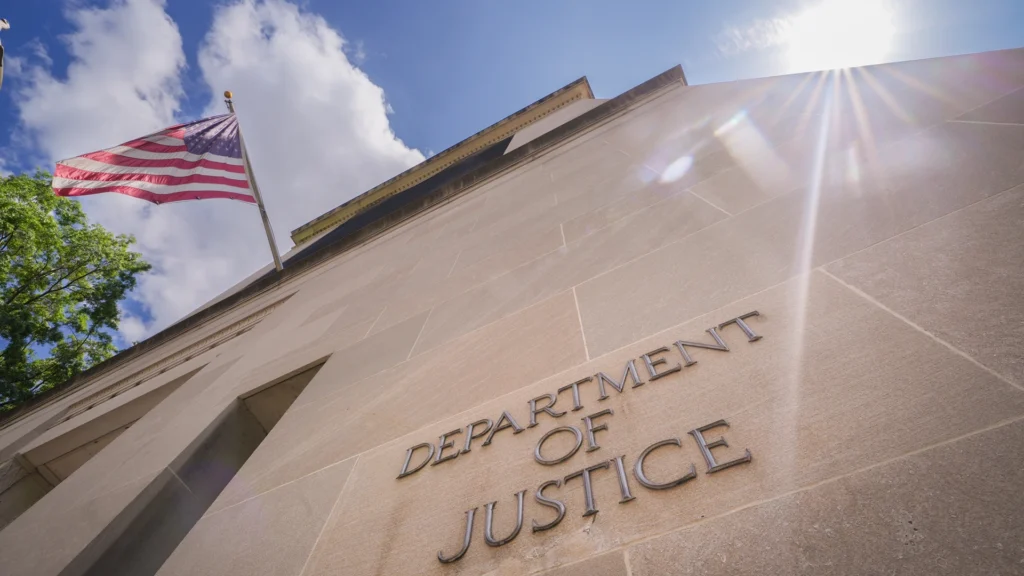
- The retrial request comes after the Department of Justice (DOJ) said it would stop using “regulation by prosecution” against crypto platforms, wallets, and mixers for end-user conduct.
- Treasury has also said lawful digital-asset users may use mixers for financial privacy on public blockchains.
Roman Storm’s legal fight is heading for another round.
Federal prosecutors in the SDNY have asked Judge Katherine Polk Failla to schedule a retrial for the Tornado Cash co-founder on two counts where last year’s jury deadlocked: conspiracy to commit money laundering and conspiracy to violate U.S. sanctions.
The move keeps one of crypto’s most important developer-liability cases alive at an awkward moment for Washington.
Since Storm’s first trial, the DOJ has tried to signal a friendlier approach to digital assets.
In an April 2025 memo, Deputy Attorney General Todd Blanche said the DOJ “is not a digital assets regulator” and said prosecutors should no longer target exchanges, wallets, and “mixing and tumbling services” for the acts of end users or unwitting regulatory violations.
Treasury has also softened its language around privacy tools.
In a March 2026 report to Congress, the department said lawful users of digital assets may use mixers to preserve financial privacy on public blockchains, including to shield personal wealth, business payments, charitable donations, and consumer spending habits from public exposure.
That leaves Storm’s retrial in the middle of a clear policy contradiction.
Why Prosecutors Want To Retry Roman Storm
Storm’s first trial ended in a split result.
In August 2025, a Manhattan jury convicted him of conspiracy to operate an unlicensed money-transmitting business, but failed to reach a unanimous verdict on the money laundering and sanctions counts.
The SDNY publicly described Tornado Cash as a service that facilitated more than $1 billion in illegal transactions, including activity tied to North Korean hackers and other criminals.
That mixed verdict gave prosecutors room to push for another trial instead of walking away.
Storm, meanwhile, has framed the retrial as an attempt to criminalize open-source code.
In a post on X, he said prosecutors were trying again after a jury of 12 failed to unanimously convict him on the two most serious counts and warned that another trial could carry severe financial and personal costs.
The Bigger Contradiction
The retrial request also creates a test for the DOJ’s own crypto reset.
Blanche’s memo said the department should focus on crimes such as terrorism financing, narcotics trafficking, organized crime, hacking, and fraud against investors, rather than using criminal cases to impose regulatory frameworks on the industry.
It also said investigations inconsistent with that new approach should be closed.
Storm’s case, however, was launched under an earlier, more aggressive enforcement posture toward mixers and crypto intermediaries.
That makes the retrial look like a case from the old enforcement era continuing under a newer policy framework.
Treasury’s language sharpens the contrast. The department did not endorse Tornado Cash or privacy protocols in general.
But it did explicitly acknowledge that mixers can have lawful financial-privacy uses.
That makes it harder to sustain the simpler public narrative that mixers exist only for criminals.
Why the Case Matters to Crypto
The Tornado Cash prosecution has become a broader test of developer liability in crypto.
Storm’s case has drawn support from across the industry.
The Solana Policy Institute announced a $500,000 donation to the legal defense funds of Roman Storm and Alexey Pertsev.
Meanwhile, the Ethereum Foundation said privacy-focused funding would also support their legal defense.
The Free Roman Storm campaign says total defense funding rose above $5 million by January 2026 and argues the case could set a precedent for holding developers liable for how third parties use non-custodial, open-source software.
The case matters well beyond Tornado Cash: it could help define the legal boundaries for privacy tools, DeFi infrastructure, and open-source development in the U.S.
What Happens Next
For now, the next step is procedural.
If the court agrees to a retrial, the case will return to center stage as one of the clearest tests of developer liability in the crypto industry.
The immediate legal question is whether prosecutors can secure convictions on the two hung counts.
The bigger question is whether the U.S. government’s newer, softer rhetoric on digital assets actually changes anything when a flagship case is already in motion.
If the retrial goes ahead, Storm’s case will become more than a courtroom sequel. It will become a stress test of whether the U.S. crypto policy reset is real.

PhD, researcher and writer exploring AI, blockchain, and the philosophy of tech, with a focus on DeScAI, governance, and trust.