Key Takeaways
- Russia’s largest bank is testing DeFi tools amid growing client demand.
- Sberbank said it’s exploring tokenization on Ethereum and plans to integrate DeFi solutions soon.
- Russia’s growing interest in crypto and now DeFi stems from international sanctions and trade needs.
Russia’s largest bank, Sberbank, with a market capitalization of approximately $83 billion, is actively testing a range of decentralized finance (DeFi) products.
The DeFi testing comes amid a heightened demand from its 109 million retail clients and over 3 million corporate customers.
Russia to Converge Banking With DeFi
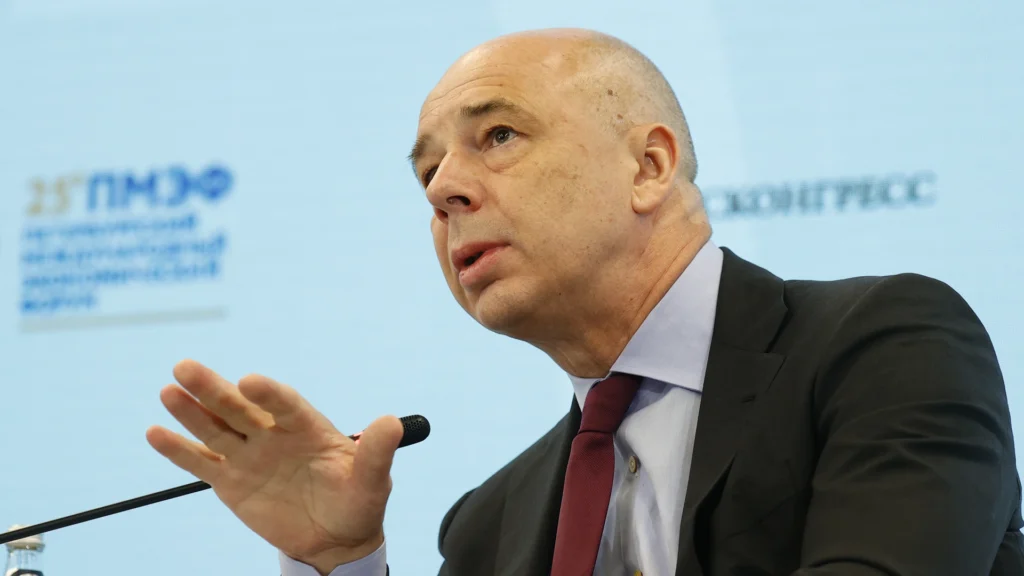
Anatoly Popov, the deputy chairman of Sberbank’s management board, confirmed that the country’s largest bank is testing multiple DeFi tools due to growing demand from its clients.
He expressed confidence that “traditional banking and DeFi will soon converge.” He emphasized client demand, noting:
“Cryptocurrencies are popular among Russians… Sberbank clients are significantly interested in convenient solutions for accessing cryptocurrencies” and are “consciously seeking ways to invest in cryptocurrency.”
The bank has reportedly shown interest in Ethereum-based solutions for asset tokenization and integrations with public blockchains, citing Ethereum’s flexibility, transparency, and access to international markets.
Sberbank plans to develop digital asset offerings in collaboration with regulators and enter the market thoroughly once clear regulations are established. Russia is expected to introduce comprehensive regulation in 2026.
Russia, over the past two years, has turned to crypto and decentralized finance to mitigate its financial woes owing to international sanctions.
Following the testing of crypto use for trade payments and the growing demand for crypto in the country, the nation’s largest bank is now exploring the integration of DeFi solutions into its banking operations.
How DeFi Integration Could Change Banking?
Sberbank’s DeFi experiments signal a potential convergence of traditional finance (TradFi) and decentralized systems, which could reshape banking, especially in Russia.
By bridging regulated banking with blockchain-based tools such as lending, borrowing, and tokenization, this could offer faster, cheaper, and more accessible services.
Market pundits predict that the integration of DeFi into mainstream banking globally, driven by the tokenization of real-world assets, could trigger the next major leap in banking technology.
Sberbank’s move aligns with broader trends in Russian banking, as competitors like VTB report similar client preferences for direct crypto exposure over derivatives. Russia’s central bank estimates cryptocurrency holdings in Russian wallets could reach $10.5 billion by March 2025
However, the DeFi integration also presents its own set of challenges, including regulatory hurdles, the Russian central bank’s historical caution regarding private cryptocurrencies, and risks such as volatility and security concerns.
In Russia, sanctions have accelerated the adoption of cryptocurrencies for cross-border transactions, making banks like Sberbank pivotal in creating sanctioned-safe, hybrid systems.
Russia’s Crypto History
Russia’s relationship with cryptocurrency and blockchain has been volatile, shifting from outright ban in its early days to pragmatic adoption, primarily influenced by Western sanctions, economic needs, and the push for financial sovereignty.
Here’s a timeline of Russia’s cryptocurrency history:
2020–2021: Russia legalized the ownership and trading of cryptocurrencies as property, but banned their use for payments. The central bank pushed for strict controls, viewing private cryptocurrencies as a threat to monetary policy.
2022–2023: Amid the Ukraine conflict and sanctions, Russia explored crypto for international trade. Progress slowed due to geopolitical tensions.
2024: Russia legalized crypto mining and permitted cryptocurrencies for cross-border payments to bypass sanctions, marking a significant pivot. Banks began offering crypto-linked derivatives and custody services.
2025: Regulation softened further, with plans for comprehensive crypto rules in 2026. Sberbank expanded blockchain initiatives, including tokenized assets and DeFi testing. Parallel efforts are focused on the digital ruble (CBDC), with mandatory acceptance planned for large merchants in 2026.
Top Trending Crypto Articles

Prashant Jha is a seasoned crypto journalist based in Delhi, India, with a Bachelor’s Degree in Computer Science Engineering. Passionate about the evolving world of blockchain and cryptocurrencies, he has been a dedicated voice in the industry since 2018. Prashant’s expertise lies in regulatory reporting, where he unravels complex legal and financial developments with clarity and precision. Before joining CCN in 2024, he honed his craft at Cointelegraph, establishing himself as a trusted name in crypto journalism.
His coverage spans major industry events, including the high-profile collapses of FTX, Three Arrows Capital (3AC), and LUNA, offering readers insightful analyses of their regulatory and market implications. Prashant’s technical background enables him to bridge the gap between intricate blockchain technology and its real-world applications, making his work accessible to novices and experts.
Beyond his professional pursuits, Prashant is an avid music enthusiast, often exploring diverse genres to unwind. A sports lover, he has a particular passion for cricket and frequently engages in discussions about the game. His multifaceted interests and sharp journalistic instincts make him a valuable contributor to CCN, where he continues shaping the crypto landscape's narrative.