Key Takeaways
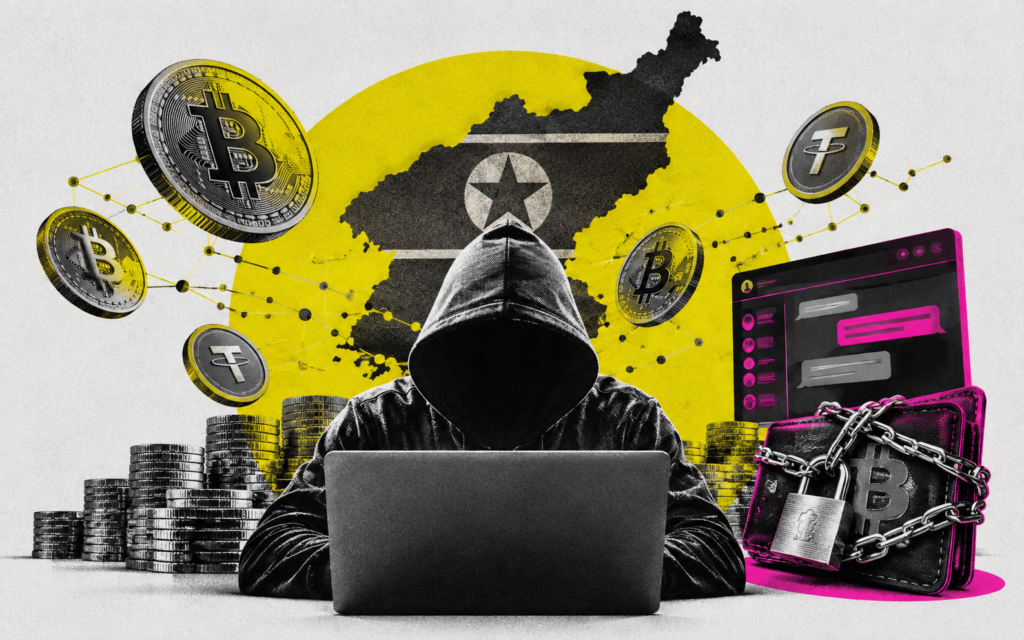
North Korean hackers moved tens of millions of dollars stolen from major crypto platforms through Xinbi Guarantee, a sprawling cybercrime marketplace that processed more than $24 billion in digital assets and fiat currency, according to Chainalysis.
The blockchain analytics firm linked the activity to funds stolen in major attacks, including the $1.5 billion Bybit breach and the $235 million WazirX hack.
DPRK-linked threat actors reportedly relied on vendors offering specialized laundering services to exchange traceable stolen assets for stablecoins derived from other criminal operations.
On Sept. 9, the US Treasury Department’s Office of Foreign Assets Control sanctioned Xinbi, alongside technology providers SafeW Technology and Anwen Technology.
The Justice Department also seized Xinbi’s online infrastructure and helped freeze or restrain more than $52 million in cryptocurrency connected to the marketplace and its vendors.
+87
Bitcoin
Ethereum
Tether
Wrapped BNB
USD Coin
Solana
Ripple
Dogecoin
Cardano
Shiba Inu
Avalanche
TRON
Chainlink
Polygon Ecosystem Token
Polkadot
Wrapped Bitcoin
Litecoin
Dai
NEAR Protocol
Bitcoin Cash
Stellar
Cosmos
Filecoin
Ethereum Classic
Aptos
Hedera Hashgraph
Immutable
Optimism
Arbitrum
VeChain
The Sandbox
Decentraland
Axie Infinity
Injective Protocol
Render Token
The Graph
Maker
Aave
Chiliz
Helium
PAX Gold
Compound
Lido DAO Token
Sui
Lido Staked ETH
Bitget Token
Wrapped Ethereum
OKB
Uniswap
Pepe
Ondo
Mantle
First Digital USD
Kaspa
Jupiter
Worldcoin
PayPal USD
Bonk
Rocket Pool ETH
Flare
Tether Gold
Sei
JITO
JasmyCoin
PancakeSwap
Core
Floki Inu
Ethereum Name Service
SushiSwap
Kava.io
1inch Network
Tezos
Trust Wallet Token
Curve DAO Token
KuCoin Token
MultiversX
GateToken
Zcash
Basic Attention Token
Enjin Coin
Frax
Ethena USDe
Ethena Staked USDe
BlackRock USD Institutional Digital Liquidity Fund
Fasttoken
Algorand
Flow
Monero
XDC Network
Bittensor
Ethena
Artificial Superintelligence Alliance
+68
Bitcoin
Ethereum
Tether
Wrapped BNB
Solana
Ripple
Dogecoin
Cardano
Toncoin
Avalanche
TRON
Polkadot
Wrapped Bitcoin
Litecoin
NEAR Protocol
Bitcoin Cash
Stellar
Cosmos
Filecoin
Ethereum Classic
Hedera Hashgraph
Immutable
VeChain
The Sandbox
Render Token
The Graph
Maker
Aave
Chiliz
Helium
PAX Gold
Compound
Lido DAO Token
Sui
Lido Staked ETH
Bitget Token
Wrapped Ethereum
OKB
Uniswap
Pepe
Mantle
Bittensor
Kaspa
XDC Network
Artificial Superintelligence Alliance
Jupiter
Quant
Worldcoin
PayPal USD
Rocket Pool ETH
Flare
Tether Gold
Sei
JITO
JasmyCoin
PancakeSwap
Core
Floki Inu
Ethereum Name Service
Kava.io
1inch Network
Tezos
Trust Wallet Token
Curve DAO Token
Zcash
Basic Attention Token
Enjin Coin
Ethena USDe
USD Coin
Chainlink
Arbitrum
GateToken
IOTA
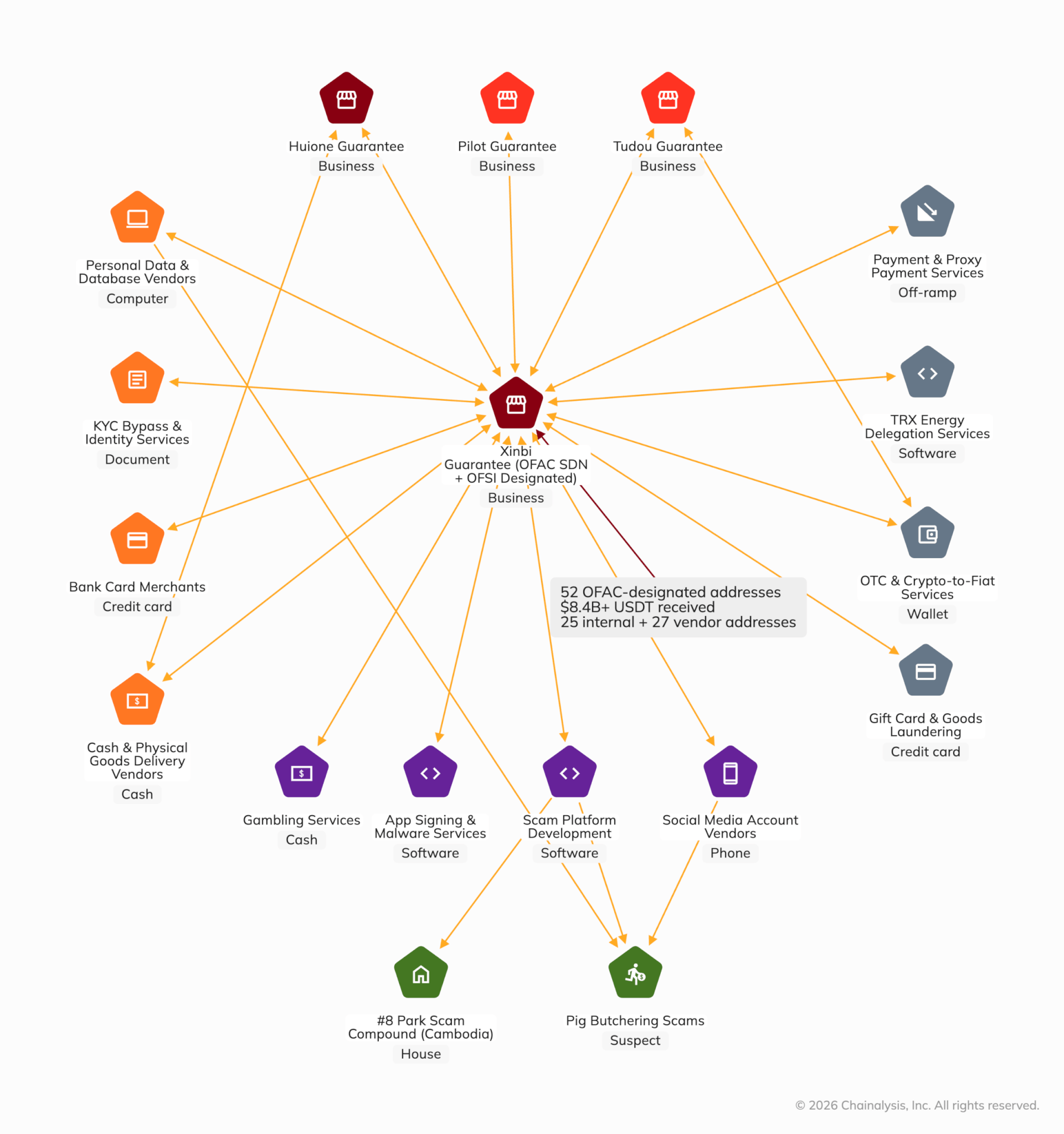
Chainalysis said North Korean threat actors used vendors known as “Black U” launderers to clean stolen cryptocurrency through asset substitution.
Instead of attempting to conceal the origin of the stolen tokens through conventional mixing techniques, these vendors accepted the traceable assets and replaced them with stablecoins sourced from separate illicit revenue streams.
Chainalysis' investigation of Xinbi Guarantee finds that DPRK-linked threat actors moved tens of millions in stolen crypto through the newly-sanctioned cybercriminal marketplace.
To launder stolen cryptocurrency, DPRK-linked threat actors have used specialized vendors known as… pic.twitter.com/bullZDl4vk
— Chainalysis (@chainalysis) September 9, 2026
Those funds reportedly included proceeds from pig-butchering operations, romance scams and other fraudulent schemes.
The process allowed the stolen crypto to disappear into Xinbi’s broader pool of criminal transactions. Meanwhile, the North Korean actors received nominally cleaner stablecoins that they could send to unlicensed over-the-counter trading desks and convert into fiat currency.
The model illustrates how interconnected criminal revenue streams can make blockchain tracing more difficult. Funds from hacking, investment fraud and romance scams effectively become interchangeable within the same underground financial system.
Xinbi emerged around 2022 and developed into a major Chinese-language marketplace supporting organized cybercrime and Southeast Asia’s scam economy.
According to the US Treasury, the platform processed more than $24 billion in cryptocurrency and fiat transactions.
Its vendors operated through hundreds of Telegram channels and advertised services including money laundering, fraudulent bank cards, stolen personal information, know-your-customer verification bypasses, malware and custom-built scam websites.

Xinbi also provided cash delivery, surveillance equipment and recruitment services linked to Southeast Asian scam compounds. Authorities say trafficked workers at some of these compounds have faced forced labor, physical confinement and torture.
The marketplace used an escrow system to hold vendor deposits and facilitate payments. That structure created a layer of trust between otherwise unconnected criminals, allowing illicit businesses to operate at scale.
Chainalysis estimates that Chinese-language laundering networks processed around 20% of known illicit crypto flows over the past five years, including approximately $16 billion during 2025 alone.
A US federal court authorized the seizure of Telegram channels hosting Xinbi’s marketplace on Sept. 7. Under the same warrant, the Justice Department’s Scam Center Strike Force seized two wallets containing approximately $12 million in cryptocurrency.
Authorities also restrained another 47 wallets associated with Xinbi, bringing the total value of frozen or seized crypto above $52 million. Tether reportedly assisted law enforcement during the investigation.
Thanks to today’s actions against the Chinese run Xinbi Guarantee network and the restraining of $52 million in a single day, the Scam Center Strike Force counter has officially reached $938 Million in total restrained funds.
We remain relentless in dismantling transnational… pic.twitter.com/bLC8TJolRZ
— U.S. Attorney DC (@USAO_DC) September 9, 2026
OFAC separately identified 52 cryptocurrency addresses that had received more than $8.4 billion in stablecoins. The latest US measures follow sanctions imposed by the UK Foreign, Commonwealth and Development Office in March.
The coordinated crackdown targeted Xinbi’s financial infrastructure, communications network and supporting technology providers, disrupting a marketplace that connected crypto hackers, money launderers, scammers and human-trafficking operations.
Giuseppe Ciccomascolo began his career as an investigative journalist in Italy, where he contributed to both local and national newspapers, focusing on various financial sectors.
Upon relocating to London, he worked as an analyst for Fitch's CapitalStructure and later as a Senior Reporter for Alliance News. In 2017, Giuseppe transitioned to covering cryptocurrency-related news, producing documentaries and articles on Bitcoin and other emerging digital currencies. He also played a pivotal role in establishing the academy for a cryptocurrency exchange website. Crypto remained his primary area of interest throughout his tenure as a writer for ThirdFloor.
You’re All Set!
Thanks for signing up. We’ll be in touch soon with the latest insights.