Key Takeaways
- Justin Sun remains unable to access millions of WLFI tokens frozen since September.
- The value of his locked WLFI holdings has fallen by roughly $60 million over three months.
- WLFI’s team has provided little explanation for why Sun’s wallet remains blacklisted.
Justin Sun backed WLFI early, publicly, and at scale.
Three months later, he is still locked out of his investment and watching its value steadily erode.
The Tron founder’s WLFI holdings, frozen shortly after the token’s public debut in September, have lost an estimated $60 million in value as prices slid and access remained restricted.
Despite partial reversals affecting other wallets tied to the same freeze, Sun’s account remains blacklisted, with no clear explanation from the project team.
A High-Profile Bet Goes Sideways
Sun was among WLFI’s most prominent early backers.
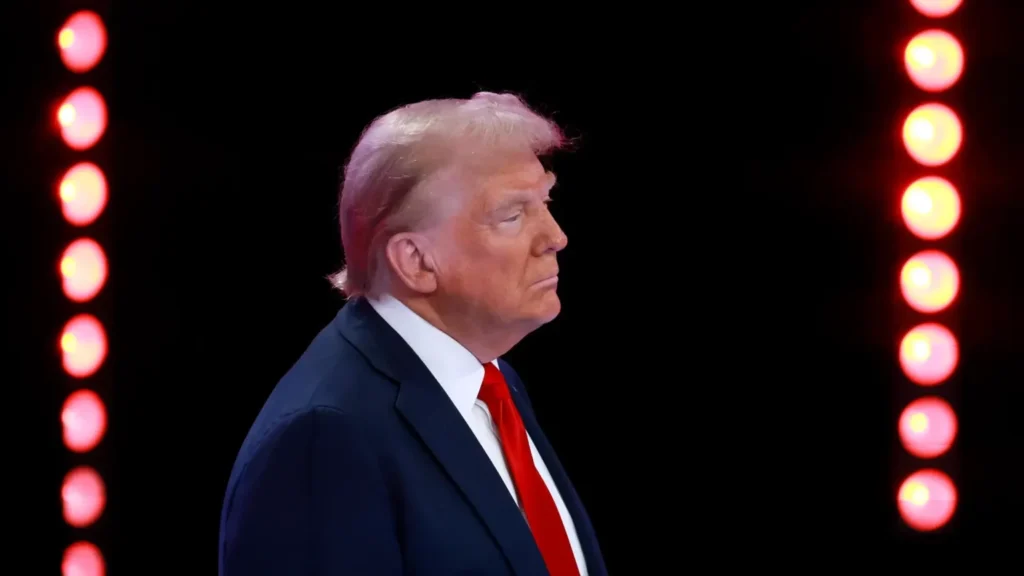
He began investing in the Donald Trump–linked DeFi project in late 2024, initially committing around $30 million during early sales.
Additional purchases later pushed his exposure to roughly $75 million by early 2025, according to on-chain data.
At the time, Sun was not just a passive investor. He was publicly aligned with the project, named as an adviser, and closely associated with WLFI’s early momentum.
That relationship soured quickly.
Just days after WLFI began trading publicly in September, the project froze and blacklisted 273 wallets, including Sun’s.
The team cited concerns over market manipulation and unusually large fund movements across exchanges, though it did not disclose specific evidence tied to individual wallets.
Frozen as the Price Fell
While some wallets affected by the September action were later addressed, either unfrozen or migrated to new addresses, Sun’s wallet remains locked.
Over the same period, WLFI’s price has fallen sharply.
Since its public debut, the token has declined by roughly 70%, turning Sun’s inability to move his holdings into a costly problem.
His locked balance of approximately 545 million WLFI tokens is now valued at around $74 million, down from more than $130 million in late summer.
On-chain data from Arkham Intelligence indicates Sun previously held close to 3 billion WLFI tokens, with the value of those holdings dropping sharply during August and September as restrictions took effect and prices declined.
A DeFi Irony
The situation underscores a familiar tension in crypto markets: projects branded as decentralized retaining significant centralized control.
WLFI is marketed as a DeFi protocol; however, its ability to freeze individual wallets—and selectively reverse those decisions—has raised questions about governance, transparency, and accountability.
For critics, Sun’s predicament highlights the risks investors face when token control ultimately rests with a small group of operators.
Last month, WLFI transferred funds from several wallets affected by the September freeze into new addresses, signaling that at least some cases were being resolved.
That move fueled speculation that Sun’s account might be next. So far, that has not happened.
The WLFI team has not publicly clarified why Sun remains blacklisted or whether his access will be restored.
Until then, one of the project’s most visible early supporters is stuck on the sidelines, unable to sell, hedge, or exit, watching the value of his investment shrink in real time.
For an industry that often champions decentralization as a safeguard against arbitrary control, the episode serves as a reminder that, in practice, power can still be highly concentrated—even for crypto’s biggest names.
Top Trending Crypto Articles

Prashant Jha is a seasoned crypto journalist based in Delhi, India, with a Bachelor’s Degree in Computer Science Engineering. Passionate about the evolving world of blockchain and cryptocurrencies, he has been a dedicated voice in the industry since 2018. Prashant’s expertise lies in regulatory reporting, where he unravels complex legal and financial developments with clarity and precision. Before joining CCN in 2024, he honed his craft at Cointelegraph, establishing himself as a trusted name in crypto journalism.
His coverage spans major industry events, including the high-profile collapses of FTX, Three Arrows Capital (3AC), and LUNA, offering readers insightful analyses of their regulatory and market implications. Prashant’s technical background enables him to bridge the gap between intricate blockchain technology and its real-world applications, making his work accessible to novices and experts.
Beyond his professional pursuits, Prashant is an avid music enthusiast, often exploring diverse genres to unwind. A sports lover, he has a particular passion for cricket and frequently engages in discussions about the game. His multifaceted interests and sharp journalistic instincts make him a valuable contributor to CCN, where he continues shaping the crypto landscape's narrative.