Key Takeaways
- The IMF approved another payment for El Salvador after waiving Bitcoin-related breaches.
- The waiver does not authorize unrestricted Bitcoin buying by El Salvador.
- El Salvador must unwind its remaining Chivo exposure after transferring majority ownership and control to a private operator.
The International Monetary Fund has cleared another financing payment for El Salvador after granting waivers for missed loan conditions, including restrictions on Bitcoin accumulation.
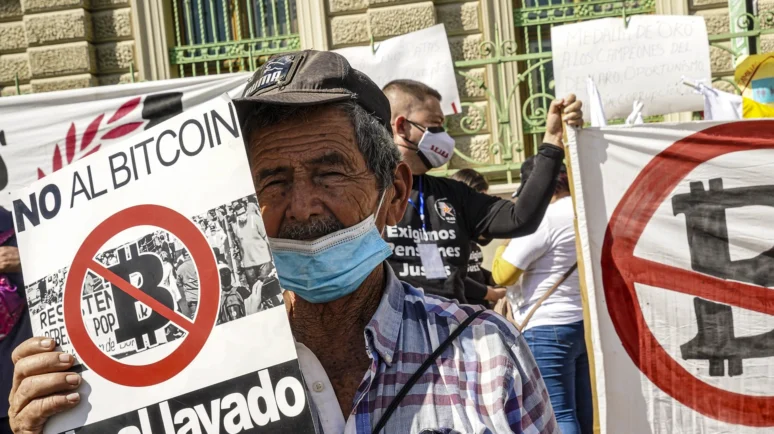
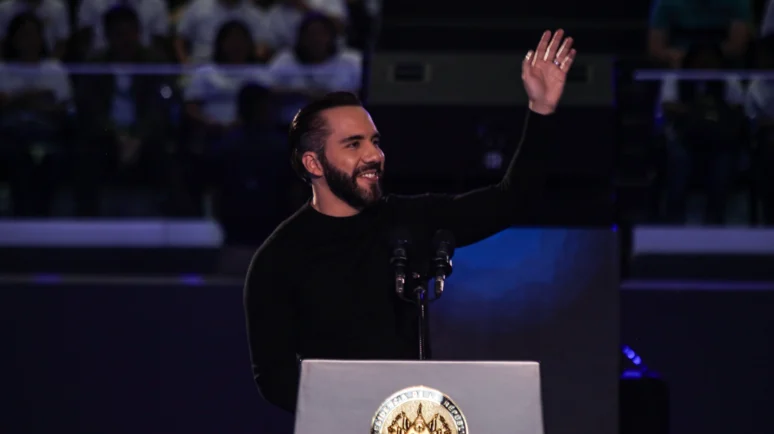
But the approval came with a renewed message to President Nayib Bukele’s government: curb further accumulation and keep reducing the state’s involvement in cryptocurrency.
Bloomberg reported the disbursement at $139 million. The IMF’s Oct. 1 announcement puts the payment at approximately $138 million, equivalent to SDR 101.96 million, following completion of the second and third reviews of the country’s lending program.
IMF Clears Funding Despite Bitcoin Breach
The payment forms part of El Salvador’s approximately $1.4 billion Extended Fund Facility, a 40-month arrangement approved in February 2025. Completing the latest reviews makes the new tranche immediately available.
The IMF acknowledged that some performance criteria had not been met, including those concerning Bitcoin accumulation. It granted waivers based on corrective measures and renewed commitments from the authorities, allowing financing to proceed despite those failures.
That decision preserves El Salvador’s access to funding while leaving the cryptocurrency restrictions in place. The waiver addresses the missed conditions covered by the reviews; it does not establish an unrestricted right to expand the government’s Bitcoin reserve.
The distinction matters because the IMF’s position is more specific than simply demanding an end to every increase in reported holdings.
The fund said “no further Bitcoin accumulation is envisaged beyond the documented donations.” September documentation attributed additions since the first review to private donations rather than public spending.
That leaves the financing approval tied to a narrower accumulation policy, rather than an endorsement of Bukele’s broader Bitcoin ambitions.
Stronger Growth Supports the Lending Program
The IMF’s assessment extends beyond cryptocurrency. Bloomberg reported that the fund expects El Salvador’s economy to grow 4.5% in 2026 and 4% in 2027, with activity exceeding expectations as security improves and investor confidence strengthens.
In its September staff-level assessment, the IMF identified investment, private consumption, remittances, tourism and capital inflows as supporting growth.
It also outlined continued fiscal consolidation and stronger financial buffers as priorities for the program.
Those findings provide an economic backdrop to the approval. They do not establish that Bitcoin caused the stronger performance or that cryptocurrency-related risks have disappeared.
The September assessment projected the nonfinancial public sector’s primary surplus rising from 2.9% of GDP in 2026 to 3.7% in 2027. It linked that path to expenditure restraint and improved revenue administration, alongside space for infrastructure and social programs.
The lending relationship therefore remains centered on public finances and economic resilience, with Bitcoin policy forming one sensitive part of a wider reform agenda.
Chivo Exit Remains Central to Crypto Conditions
The government’s role in the Chivo wallet remains another unresolved issue.
The IMF said majority ownership and operational control had transferred to a private operator, but urged the authorities to unwind their remaining public-sector exposure.
It also called for greater transparency around government crypto holdings and stronger oversight of digital-asset providers.
September’s assessment explained that the government had retained a minority stake and custodial responsibilities for customer assets after the transfer.
That makes the handover an important step rather than a completed withdrawal from the wallet.
El Salvador’s Bitcoin framework has already changed substantially since its 2021 adoption. Reuters noted that Congress made acceptance voluntary in 2025 and limited the state’s role under the IMF agreement.
The next test is implementation: whether the authorities complete the Chivo exit, disclose public holdings clearly and honor commitments limiting further accumulation. Continued financing keeps the program moving, but the tension over sovereign Bitcoin exposure remains.
The information provided in this article is for informational purposes only. It is not intended to be, nor should it be construed as, financial advice. We do not make any warranties regarding the completeness, reliability, or accuracy of this information. All investments involve risk, and past performance does not guarantee future results. We recommend consulting a financial advisor before making any investment decisions.

Giuseppe Ciccomascolo began his career as an investigative journalist in Italy, where he contributed to both local and national newspapers, focusing on various financial sectors.
Upon relocating to London, he worked as an analyst for Fitch's CapitalStructure and later as a Senior Reporter for Alliance News. In 2017, Giuseppe transitioned to covering cryptocurrency-related news, producing documentaries and articles on Bitcoin and other emerging digital currencies. He also played a pivotal role in establishing the academy for a cryptocurrency exchange website. Crypto remained his primary area of interest throughout his tenure as a writer for ThirdFloor.








 El Salvador, Metaplanet, and Strategy Stockpile Bitcoin Ahead of Pivotal Week