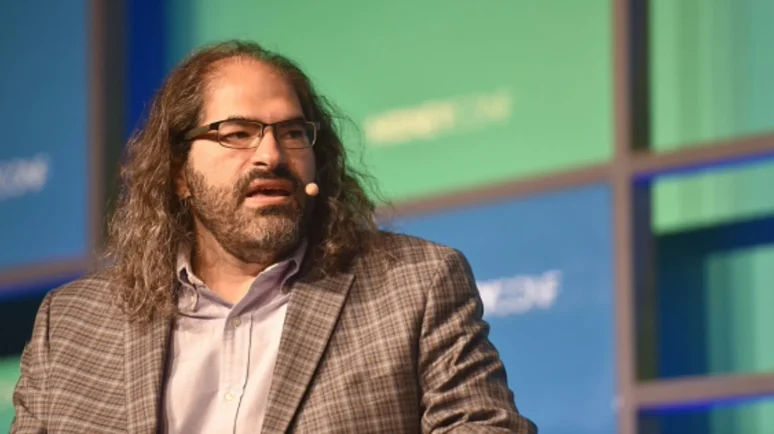
Former Ripple CTO David Schwartz's latest comments have sparked debate amongst Bitcoin traders. | Source: Harry Murphy / Getty Images
Share
Key Takeaways
Former Ripple CTO David Schwartz described Bitcoin as a “technological dead end.”
Despite the recent downturn, JPMorgan expects digital asset inflows to rebound in 2026.
The Crypto Fear and Greed Index plunged to 6 before rebounding to 12, signaling extreme fear.
David Schwartz, former Ripple chief technology officer and one of the architects of the XRP Ledger, has sparked controversy by describing Bitcoin as a “technological dead end” akin to the dollar.
The renewed criticism of Bitcoin comes as Wall Street shows signs of warming to the sector again, with JPMorgan projecting a more optimistic outlook for digital assets in 2026 despite a sharp market downturn that has pushed sentiment into “extreme fear.”
Try Our Recommended Crypto Exchanges
Sponsored
Disclosure
We sometimes use affiliate links in our content, when clicking on those we might receive a commission at no extra cost to you. By using this website you agree to our terms and conditions and privacy policy.
Schwartz: Bitcoin’s Technology Has Stopped Mattering
Schwartz was responding to a user who asked whether he had considered working on Bitcoin again after co-creating the XRP Ledger.
“Not really,” Schwartz wrote. “I think Bitcoin is largely a technological dead end for the same reason the dollar is.”
He added that Bitcoin’s success has not depended on innovation at the base blockchain layer, arguing that the technology “doesn’t seem to matter all that much” to its adoption and market strength.
Schwartz’s comments are reminiscent of criticisms often leveled at Bitcoin by its detractors, who claim its growth is based solely on speculation and belief.
The former Ripple CTO called Bitcoin a “technological dead end.” | Source: X (@JoelKatz)
However, in a follow-up post, he explained further, stating that the core function investors care about is not new features, but instead the simple expectation that Bitcoin will remain usable and transferable in the future.
“For 99% of what makes Bitcoin interesting, all the blockchain needs to be able to do is allow people to rely on being able to hold and transfer Bitcoin in the future,” Schwartz wrote.
Adding: “That doesn’t require any technology that isn’t available in every public blockchain out there.”
He also acknowledged that technological upgrades may eventually become unavoidable, highlighting the eventual need for a “fork to be quantum proof.”
“I guess that will be at least one case where technological changes will be necessary, or Bitcoin will collapse,” Schwartz added.
JPMorgan Turns Bullish on Crypto for 2026
While Bitcoin drew skepticism from one of the industry’s best-known engineers, JPMorgan analysts struck a more constructive tone on the sector’s medium-term trajectory.
In a note published Monday, strategists led by Nikolaos Panigirtzoglou said the bank expects digital asset inflows to rebound in 2026, driven primarily by institutional investors.
The bank now estimates Bitcoin’s production cost at around $77,000, down sharply in recent weeks.
Analysts said extended trading below that level could increase pressure on miners, potentially forcing higher-cost operators offline, a process that could ultimately lower production costs.
JPMorgan also argued that Bitcoin’s positioning relative to gold has improved, noting that gold has outperformed since October while also becoming significantly more volatile.
‘Extreme Fear’ Grips Crypto After Liquidation Cascade
JPMorgan’s optimistic view comes despite the market’s recent selloff, which has pushed Bitcoin’s price down to $67,539.
The Crypto Fear and Greed Index, which combines volatility, trading activity, social sentiment, dominance, and trend indicators into a single reading from 0 to 100, plunged to 6 over the weekend, one of its lowest levels on record.
It later rebounded to 12, but remained firmly in the “extreme fear” zone. It is currently set at just 8.
Historically, extreme fear readings have often coincided with capitulation events and periods of stress-driven selling.
Kurt Robson is a London-based reporter at CCN, specialising in the fast-moving worlds of crypto and emerging technology. He began his career covering local news in Cornwall after graduating from Falmouth University with First Class Honours in Journalism. There, he cut his teeth on everything from council meetings to missing swans.
He quickly rose through the ranks to become a frontline journalist at several of the UK’s leading national newspapers. Over the years, he has interviewed musicians and celebrities, reported from courtrooms and crime scenes, and secured multiple front-page exclusives.
Following the upheaval of the COVID-19 pandemic, Kurt shifted his focus to technology journalism—just ahead of the AI boom. With a natural curiosity and a trained eye for emerging trends, he has found a new rhythm in reporting on innovation.
At CCN, Kurt's work focuses on the cutting edge of crypto, blockchain, AI, and the evolving digital world. Drawing on his background in people-first reporting and his deep interest in disruptive tech, Kurt delivers stories that are insightful, entertaining, and human-centric.














 Ex-Ripple CTO Pushes Back on Epstein-Related Claims, but XRP and Stellar (XLM) May Struggle to Rebound