Key Takeaways
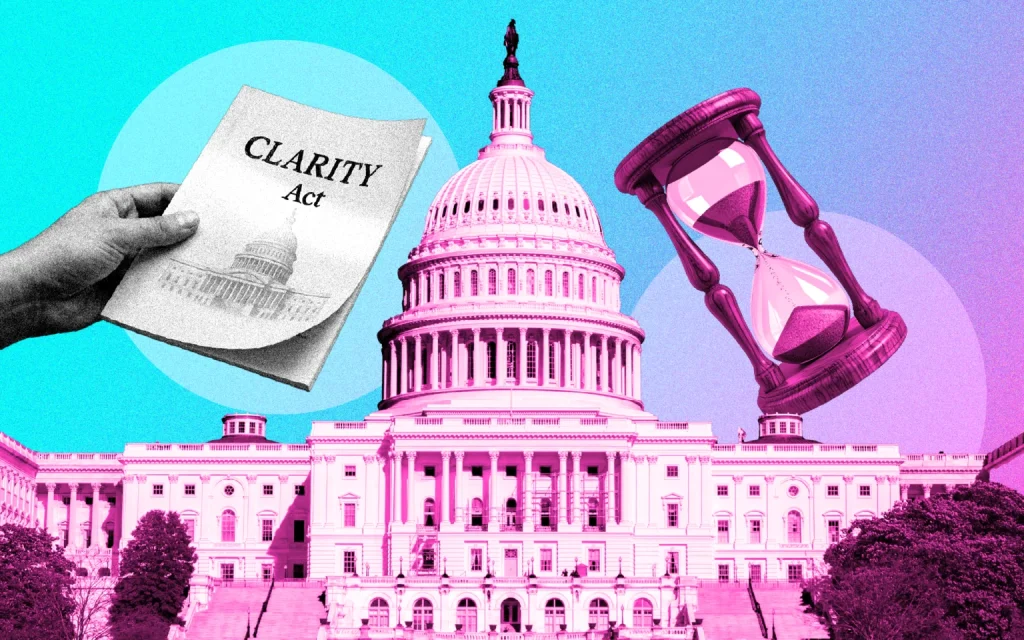
- Senator Elizabeth Warren warned the CLARITY Act could create a “tokenization loophole” that weakens investor protections.
- Warren’s Amendment 74 sought added safeguards for retirement accounts, pension funds and fiduciaries handling crypto investments.
- Senator Cynthia Lummis opposed the amendment, arguing existing fiduciary standards already cover digital assets.
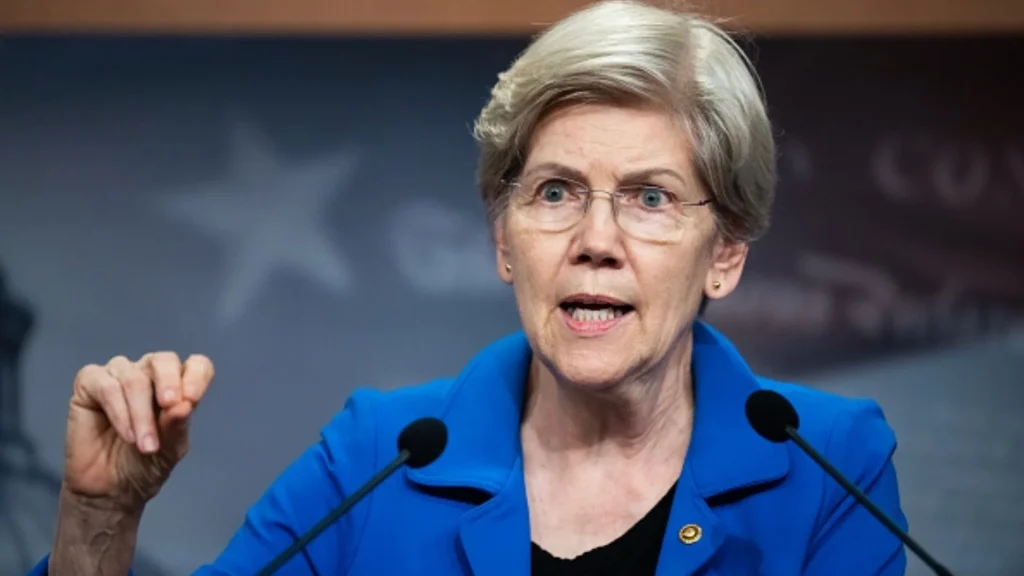
A fresh clash over crypto regulation erupted in the Senate this week as Senator Elizabeth Warren warned that the CLARITY Act could expose retirees and pension holders to greater financial risk through what she called a dangerous “tokenization loophole.”
During debate over Amendment 74, Warren argued the legislation would allow companies to sidestep traditional securities laws simply by issuing blockchain-based tokens instead of conventional stocks or financial products.
According to Warren, that gap could weaken investor protections at a time when crypto scams and fraud remain major concerns for regulators and consumers alike.
Warren Warns of Retirement Risks
Speaking before the committee, Warren said the current version of the bill:
“Fails to address one of the biggest concerns that retirees face,”
Warren pointed specifically to retirement accounts and pension plans potentially gaining exposure to tokenized financial products without sufficient safeguards.
She also cited concerns raised by labor unions and pension groups, which she described as viewing the issue as “a catastrophic problem.”
Warren argued the legislation could:
- Weaken federal and state enforcement powers against crypto fraud,
- Reduce oversight around tokenized assets,
- and leave investors vulnerable to scams without meaningful protections.
Her proposed Amendment 74 aimed to require investment advisers and financial intermediaries to implement specific risk-management procedures before recommending crypto to clients.
“My amendment would require investment advisors and other entities in the financial system to develop and implement processes to protect investors from the heightened risk posed by crypto,” Warren said during the hearing.
Lummis Pushes Back
Senator Cynthia Lummis, one of Congress’s most vocal Bitcoin supporters, quickly opposed the amendment.
Lummis argued the proposal unfairly singled out crypto for harsher treatment than other investment categories and warned it could create unnecessary legal exposure for financial firms.
“This amendment would single out digital assets for a special presumption of noncompliance and create unnecessary litigation risk,” Lummis said.
She added that current fiduciary rules already require financial professionals to act in clients’ best interests, making Warren’s proposal unnecessary.
Crypto Regulation Debate Intensifies
The battle over Warren’s long list of amendments goes on as of this writing at the Senate Banking Hearing Committee.
Supporters of the CLARITY Act argue the legislation would finally provide long-awaited legal certainty for digital assets and blockchain firms operating in the United States.
Critics, however, warn that parts of the bill could unintentionally weaken investor protections by allowing tokenized products to operate outside existing securities frameworks.
The committee ultimately rejected Warren’s Amendment 74 in a roll-call vote (11 in favor, 13 against).
Visit Our Stablecoin Partners
The information provided in this article is for informational purposes only. It is not intended to be, nor should it be construed as, financial advice. We do not make any warranties regarding the completeness, reliability, or accuracy of this information. All investments involve risk, and past performance does not guarantee future results. We recommend consulting a financial advisor before making any investment decisions.

Insha Zia is the News Editor at CCN. Based in Dubai, United Arab Emirates, he ensures the CCN newsroom provides value to readers by educating, informing, and engaging them with accurate and timely coverage.
Before joining CCN, Insha was a Senior Journalist at DailyCoin, where his career in crypto journalism took off. At DailyCoin he garnered ample experience by covering some of the biggest news in the crypto industry, especially in the Cardano ecosystem, and maintain solid relations with KOLs in the industry.
Insha has worked as a ghostwriter and a developer for three years. He has co-authored numerous articles in reputable publications, including Hackernoon, Yahoo Finance, and Nasdaq. He also has experience as a Solidity Developer and a Data Analyst.
Insha’s developer and journalist backgrounds go hand in hand when educating readers on technically complex concepts within the crypto space. He values accuracy, transparency, and delivering valuable insights to his readers.
Insha firmly believes education can propel the mass adoption of the crypto space. He is committed to giving CCN readers a greater understanding of the technology using his technical background.
Insha earned a Bachelor of Science in Computer Systems Engineering at the University of Engineering and Technology, Peshawar, in 2022. His technical foundation includes expertise in quantitative and qualitative research, data analysis, programming languages, and cybersecurity.
His comprehensive skill set enables him to communicate complex concepts to crypto readers with authority and clarity, making his articles both informative and engaging for his audience.
Insha is determined to take CCN to the top of the industry. When he’s not working on his next article or editing, Insha enjoys playing video games, mainly in FPS and MMORPG genres. He also loves playing soccer and has supported Arsenal since he was six.