Key Takeaways
- US producer prices were unchanged in July and rose 4.7% year-over-year.
- Core PPI increased 4.2% from a year earlier.
- The softer reading may reduce pressure on the Federal Reserve to raise rates, potentially supporting Bitcoin and other risk assets.
US producer inflation cooled more sharply than expected in July, strengthening the case for the Federal Reserve to keep interest rates unchanged in the near term.
The result was theoretically positive for Bitcoin price, but its initial response has fallen short of the rally predicted by some analysts.
What Did the US PPI Figures Come In At?
The US Bureau of Labor Statistics said its PPI for final demand was unchanged month-over-month in July.
That followed a revised 0.1% decline in June and was below the 0.2% increase expected by economists in one widely followed consensus estimate.
Annual producer inflation slowed to 4.7%, down sharply from 5.5% in June and below the 4.9% forecast.
The details were broadly encouraging.
Taken alongside July’s softer consumer inflation figures, the report suggests that the renewed price pressure seen earlier in 2026 may be losing momentum.
What Is PPI, and Why Does It Matter to Crypto?
The PPI tracks changes in the selling prices received by US producers for goods and services.
Unlike the Consumer Price Index, which measures prices from the buyer’s perspective, PPI looks at inflation from the seller’s side of the transaction, according to the BLS methodology.
Because it captures price movements before many goods and services reach consumers, PPI can provide an early indication of inflation as it moves through the economy.
Some of its components also feed into the Personal Consumption Expenditures price index, the Federal Reserve’s preferred inflation gauge.
That connection makes PPI relevant to crypto.
Lower-than-expected inflation can reduce the likelihood of higher interest rates.
In turn, lower expected rates may weigh on Treasury yields and the US dollar while making non-yielding or speculative assets more attractive.
That backdrop can support Bitcoin and technology shares.
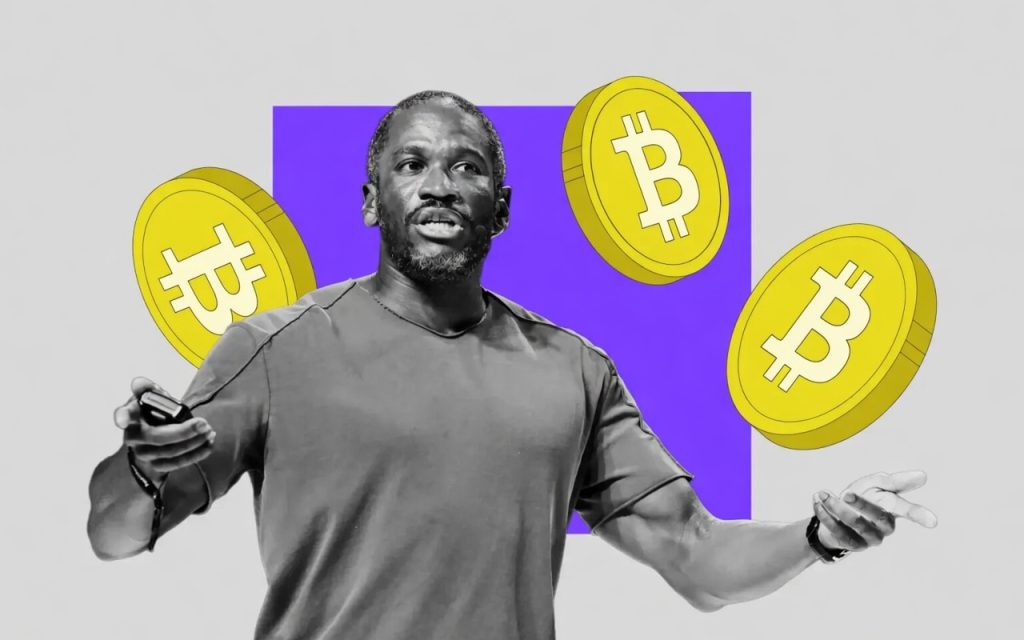
Ash Crypto Predicted a Bitcoin and Crypto Pump — Will It Still Happen?
Ahead of the release, Ash Crypto outlined a simple three-part scenario on the impact on Bitcoin and wider crypto prices:
- A reading below 4.9% would produce a pump;
- A result at 4.9% could generate a smaller gain because June’s rate was 5.5%
- An upside surprise would cause a sell-off.
The actual 4.7% print satisfied the analyst’s bullish condition.
But the prediction did not come to fruition immediately.
Bitcoin has remained around $63,700 at the time of writing and was slightly lower during the day, even though inflation data came in on the favorable side of expectations.
The muted move does not rule out a delayed advance.
Bond and currency markets may take time to absorb the report, while investors will also reassess the likely path of the Fed’s next decisions.
Bitcoin Price: Can Softer PPI Break the Current Range?
Bitcoin’s price was changing hands near $63,700 after trading between roughly $63,300 and $64,000 during the session.
The market had already struggled to sustain a move above $64,000 following the previous day’s CPI report, despite inflation moving in a more favorable direction.
That price action suggests the softer PPI is supportive but not yet strong enough to become a standalone breakout catalyst.
Earlier market analysis identified the $64,150–$64,500 region as the first area Bitcoin would need to reclaim to improve short-term momentum, with support clustered around $63,200.
If the PPI report pushes Treasury yields and the dollar lower while rate-hike expectations continue to recede, Bitcoin could make another attempt at $64,500 and the upper end of its recent range.
A clean move above that area would provide stronger evidence that buyers are responding to the improving economic momentum.
If BTC remains below resistance, however, the market may continue consolidating despite the favorable inflation surprise.
A break below approximately $63,200 would instead signal that broader selling pressure is outweighing the PPI tailwind.
The information provided in this article is for informational purposes only. It is not intended to be, nor should it be construed as, financial advice. We do not make any warranties regarding the completeness, reliability, or accuracy of this information. All investments involve risk, and past performance does not guarantee future results. We recommend consulting a financial advisor before making any investment decisions.

Kurt Robson is a London-based reporter at CCN, specialising in the fast-moving worlds of crypto and emerging technology. He began his career covering local news in Cornwall after graduating from Falmouth University with First Class Honours in Journalism. There, he cut his teeth on everything from council meetings to missing swans.
He quickly rose through the ranks to become a frontline journalist at several of the UK’s leading national newspapers. Over the years, he has interviewed musicians and celebrities, reported from courtrooms and crime scenes, and secured multiple front-page exclusives.
Following the upheaval of the COVID-19 pandemic, Kurt shifted his focus to technology journalism—just ahead of the AI boom. With a natural curiosity and a trained eye for emerging trends, he has found a new rhythm in reporting on innovation.
At CCN, Kurt's work focuses on the cutting edge of crypto, blockchain, AI, and the evolving digital world. Drawing on his background in people-first reporting and his deep interest in disruptive tech, Kurt delivers stories that are insightful, entertaining, and human-centric.