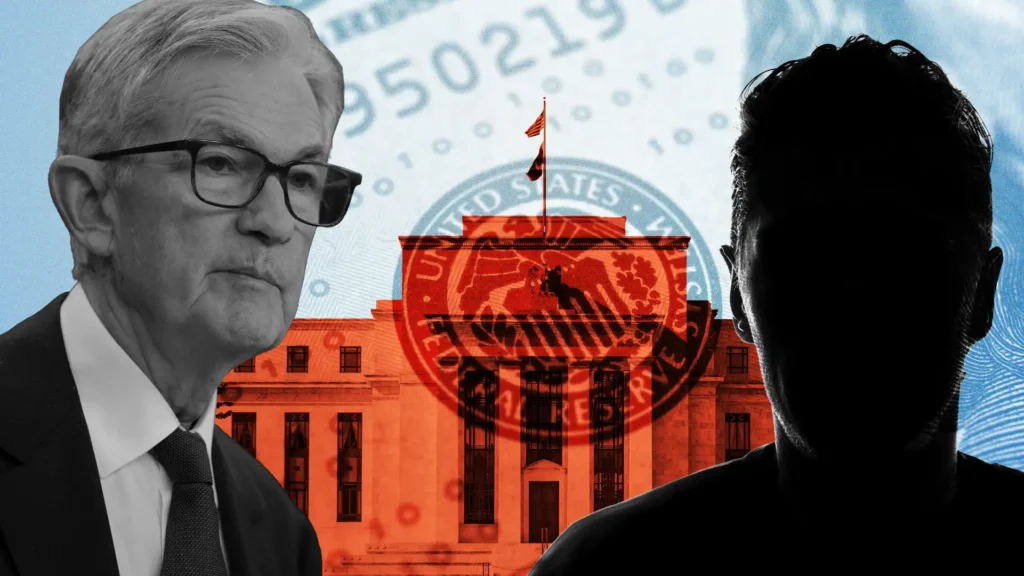
Trump picks Kevin Warsh as Fed Chair. Bitcoin, stocks, and gold slide as markets reprice interest rates and Fed policy. What’s next for crypto? | Credit: CCN.com
Share
Key Takeaways
Current Fed chair Jerome Powell’s term ends May 15, 2026. The President will name a successor soon.
The shortlist is confirmed to be five names: Christopher Waller, Michelle Bowman, Kevin Warsh, Kevin Hassett, and Rick Rieder.
Each contender will make their own mark on the role. Some are cautious, while others are more data-driven.
Pay attention to how each contender speaks, and know that the markets will react to a choice accordingly.
Jerome Powell’s four-year term as a Federal Reserve chair ends in May 2026, and the White House may name a successor well before then.
The Fed sets interest rates and helps keep prices stable, so this choice matters for your mortgage, your credit card, and the stock market/crypto prices.
How the Federal Reserve Chair Is Appointed
The President (in this case, Donald Trump) nominates a chair. Then, the Senate votes on that person. Sometimes, relevant parties will name a future chair and appoint them to a seat on the Federal Reserve Board, then they’re promoted once the previous chair’s term ends.
In some cases, a future chair is appointed to the Federal Reserve Board of Governors ahead of time, allowing them to gain experience and familiarity with the institution before assuming the top role. This practice helps ensure a smooth transition when the outgoing chair’s term expires, maintaining stability in monetary policy and financial oversight.
The Federal Reserve chair plays a critical role in shaping U.S. economic policy, influencing interest rates, and guiding the overall direction of the economy. The position carries significant global influence, as decisions made by the Fed often ripple through international financial markets.
Trump claims that he will name a replacement by year’s end, a move that could signal potential shifts in economic priorities, interest rate policy, and the administration’s approach to inflation and growth.
New Trending Crypto Wallet Offers
Sponsored
Disclosure
We sometimes use affiliate links in our content, when clicking on those we might receive a commission at no extra cost to you. By using this website you agree to our terms and conditions and privacy policy.
Who Could Be the Next Federal Reserve Chair After Jerome Powell?
Now, let’s discuss the Fed Reserve Chair candidates.
Christopher Waller
Having joined on December 18, 2020, Waller sits on the Fed’s Board right now. His term runs until 2030.
Source: Federal Reserve
Waller gives lots of speeches and tends to adhere closely to market data. For example, if inflation calms down, he’s open to cutting interest rates, empowering your dollar in the long run. You can consider his focus on the data as a safe pick.
Michelle Bowman
Nominated by President Trump in March 2025, Bowman is also a current governor on the Board and holds a spot as the Vice Chair for Supervision. Basically, she focuses on bank regulations.
Source: Federal Reserve
Bowman has a history in the banking industry as a Kansas bank commissioner, so she has a good idea of how policy changes affect everyday banks vs. major ones. If Bowman is nominated, one should expect her to protect regular banks while keeping tight regulations on larger ones to prevent an abuse of power.
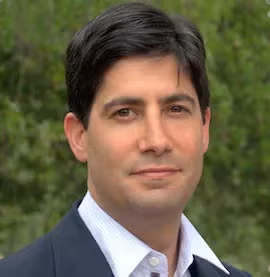
Kevin Warsh
Warsh is a previous board member, having served from 2006 to 2011 under President George W. Bush. He was there during the 2008 financial crisis, providing him with the experience needed to save a sinking ship.
Source: Stanford Business
As a result, Warsh knows how to run a tight operation and will likely hold the Fed accountable more than most.
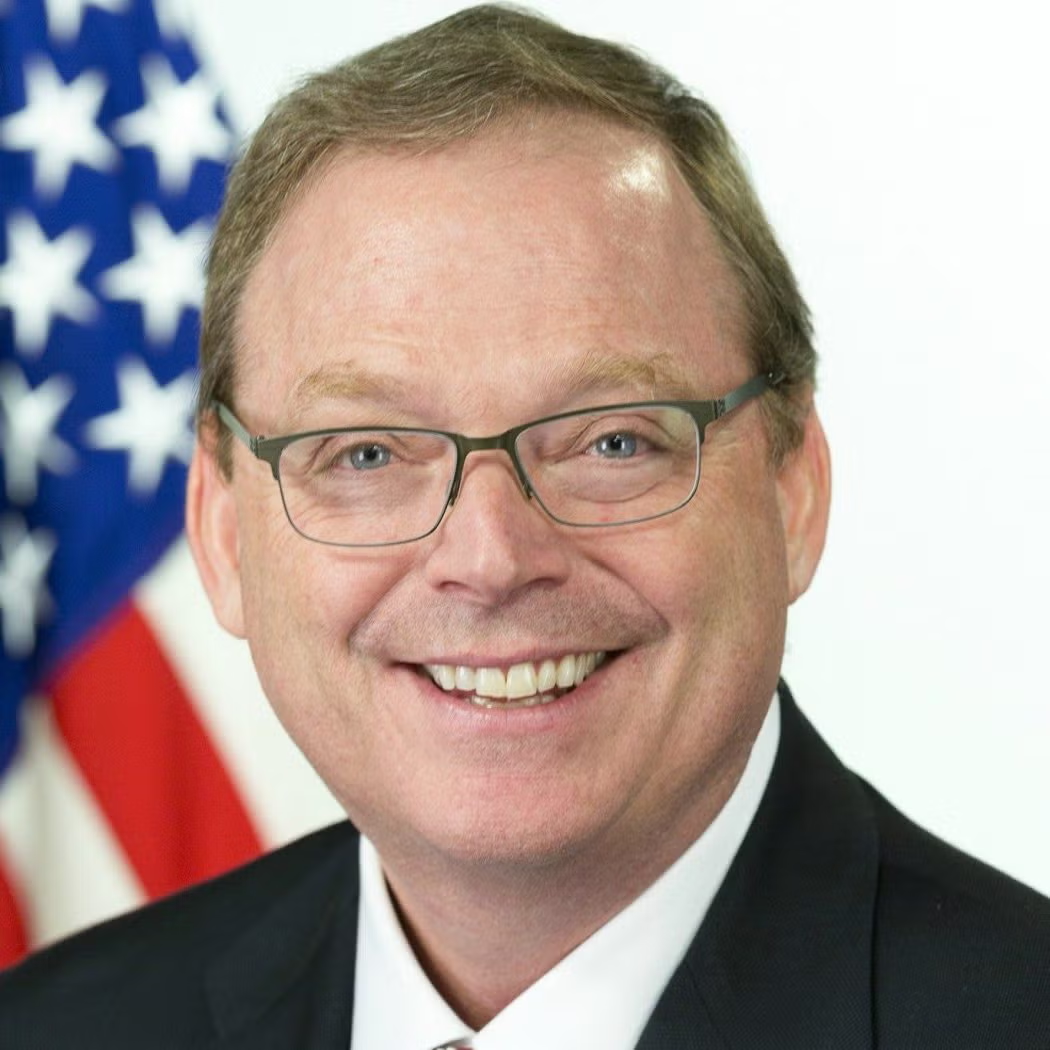
Kevin Hassett
Hassett ran the Council of Economic Advisers from 2017 to 2019, and now directs the National Economic Council. He’s known for crafting policy, promoting growth, jobs, and clear communication of market data.
Source: Georgetown University
Hassett’s history as an economist makes him a pro-market choice, and he’s likely to focus on growth and communication.
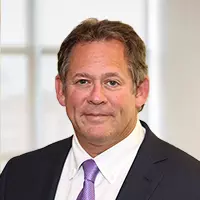
Rick Rieder
Rick Rieder runs global fixed income at BlackRock, meaning that he focuses on bond markets, or the way that Federal policy applies to mortgage and corporate loans.
Source: BlackRock
He’s not much of a banker, but his role demands a fast-focused approach to policy, and one should expect that skill set to transfer over.
Treasury Secretary Scott Bessent Confirms the Fed Chair Shortlist
This list is not a rumor. Treasury Secretary Scott Bessent has confirmed it, according to multiple sources. Bessent himself was a rumored contender earlier this year, but it appears that he wants to remain in his current position.
Bessent said he expects to present a “good slate” of candidates to Donald Trump after Thanksgiving, with a decision anticipated by the end of the year.
How the Next Fed Chair’s Policies Could Affect Borrowing, Banks, and Crypto
Here’s how a new chair could affect your borrowing, banks, and crypto in 2026:
Borrowing costs: If the next chair is cautious, interest rate cuts could come later on, even if the data promotes an earlier cut, unless inflation declines. If the chair is more data-following, interest rate cuts could come as soon as the data allows.
Bank rules: A new chair might focus on safe, simple rules to follow for smaller banks, while focusing on strict rules for bigger banks to keep them in check. Both options affect credit access for households and small businesses.
Markets and crypto: Clear signals from a chair can lower rates on bond yield and high-risk assets, while mixed signals may cause price swings. Traders will have to figure out how to react once the Fed acts in 2026.
Whoever follows Jerome Powell won’t just inherit a title. They’ll set the tone for rates, bank rules, and the overall market sentiment in 2026. The five names in play point to different paths, but each will make their own mark on the role.
What you should do now is simple: watch the shortlist, listen to how each contender discusses inflation, jobs, and financial stability. From there, note if they prioritize speed or certainty. The moment a nominee is named, markets will start pricing their approach.
Then, the chair’s test will be to keep prices stable, keep market confidence high, and keep the economy moving without drama.
What happens if the Senate rejects the first Fed chair nominee?
The president can submit another nominee. The Fed continues operating under existing leadership until a chair is confirmed.
What exactly does the Fed chair control day-to-day?
The chair leads the Board of Governors and heads up the Federal Open Market Committee (FOMC), setting agendas and guiding rate decisions or communications that influence mortgages, loans, and markets.
Will the Fed Chair shortlist be announced by the end of the year?
No. Officials have also said they’re not rushing, but the process is underway, and multiple outlets confirm an active shortlist.
Could crypto policy change with a new Fed chair?
Mostly through the “financial stability” lens, as in how stablecoin flows, bank exposures, or leverage might affect the system. The Fed doesn’t regulate most crypto directly.
Disclaimer:
The information provided in this article is for informational purposes only. It is not intended to be, nor should it be construed as, financial advice. We do not make any warranties regarding the completeness, reliability, or accuracy of this information. All investments involve risk, and past performance does not guarantee future results. We recommend consulting a financial advisor before making any investment decisions.
Max Moeller is a Chicago‑based writer and video editor passionate about games, tech, and crypto. Whether it’s crafting clear, insightful articles or piecing together engaging video retrospectives, he’s driven by curiosity and takes pride in keeping things human. Since 2017, Max has been published in a variety of notable crypto magazines.


 Easy
Easy