Peter Thiel exits ETHZilla after a 95% collapse. Is this a move toward BitMine or a broader warning about the Ethereum treasury model? | Credit: Hameem Sarwar/CCN.com
Share
Key Takeaways
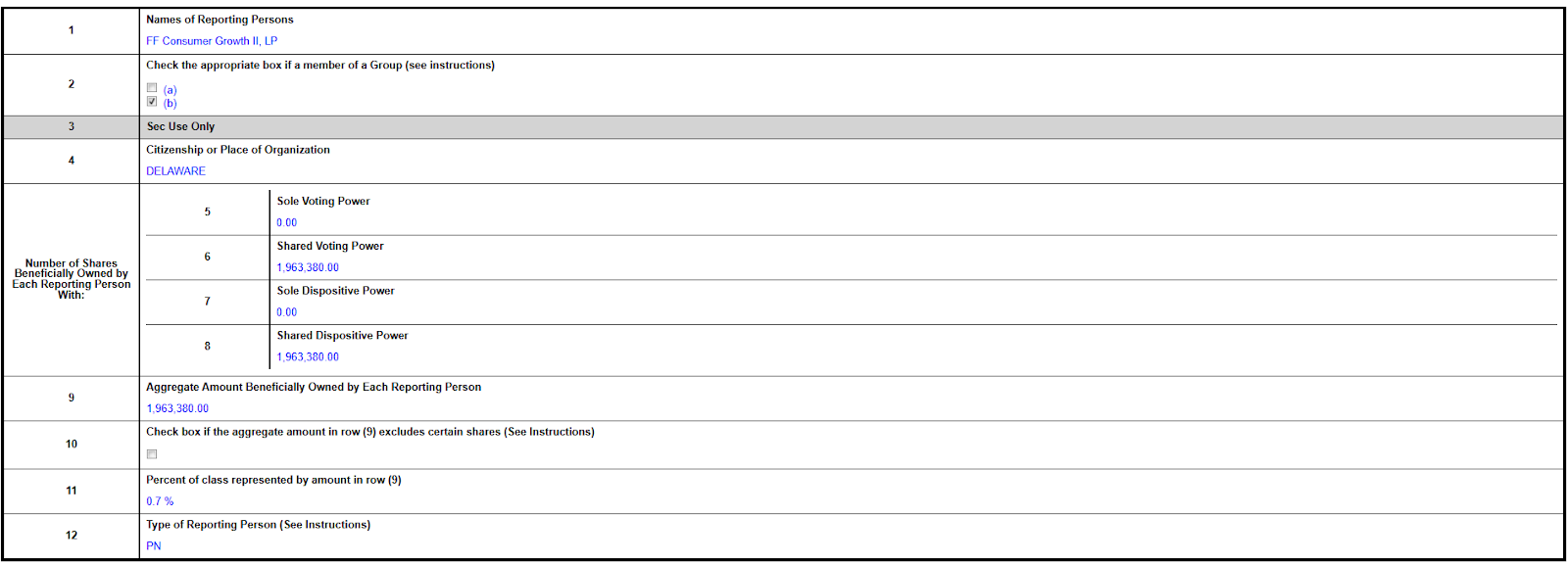
Peter Thiel has fully exited ETHZilla, selling his entire 7.5% stake, according to a recent SEC filing.
ETHZilla’s business model was heavily tied to Ethereum’s price, and its shares plunged about 95% as ETH fell from nearly $4,900 to around $1,980.
Thiel has historically favored Bitcoin over Ethereum, previously expressing skepticism about ETH, which may explain why he chose to exit an ETH-focused vehicle.
Speculation is growing around BitMine, as the Thiel-linked Founders Fund still holds roughly 4.5% of the company.
Billionaire investor Peter Thiel has fully exited his position in Ethereum treasury firm ETHZilla, selling his entire 7.5% stake, according to a recent SEC filing. The move has sparked widespread debate in the crypto community, especially amid rumors that capital is being redeployed into other ventures, including BitMine.
ETHZilla, which pivoted from biotech into an Ethereum-focused treasury company in 2025, was once seen as a bold bet on ETH as a corporate reserve asset. But after a brutal market downturn and a 95% collapse in its share price, Thiel’s full divestment raises deeper questions: Was this simply risk management, or a loss of confidence in the Ethereum treasury model itself?
Meanwhile, Thiel-linked Founders Fund continues to hold roughly 4.5% of BitMine, fueling speculation that one strategic door closed while another remained open.
Let’s break down what happened and what it might mean.
Who Is Peter Thiel?
Peter Thiel is one of Silicon Valley’s most influential investors and entrepreneurs. He co-founded PayPal in 1998, was one of Facebook’s earliest outside investors, and later launched Founders Fund, a venture capital firm known for backing bold, contrarian bets.
Thiel has long been associated with technology-driven disruption and strong ideological views about finance and decentralization. He has been publicly bullish on Bitcoin for years, once stating that he felt “underinvested” in BTC. In contrast, he has historically been more skeptical of Ethereum, previously referring to it as a “slow-moving albatross.”
Because of his track record, from PayPal to Palantir to SpaceX investments, Thiel’s portfolio moves are closely watched.
When he exits an asset class or doubles down elsewhere, markets pay attention.
What Is ETHZilla and the Ethereum Treasury Model?
ETHZilla began as a biotech company before pivoting in mid-2025 into an Ethereum treasury firm. The strategy mirrored Strategy’s well-known Bitcoin model: raise capital, accumulate crypto (in this case, ETH), and position the company as a public vehicle for exposure to the asset.
The idea behind crypto treasury companies is simple:
Investors gain exposure to crypto via public equities.
Companies use debt or equity issuance to accumulate digital assets.
Rising crypto prices lift both balance sheets and share prices.
Peter Thiel sold all its shares in ETHZilla. | Credit: U.S. SEC
However, this model works best in bull markets.
When Ethereum fell from highs above $4,900 to around $1,980, ETHZilla’s share price collapsed by approximately 95%, trading near $3.50. The company sold portions of its ETH holdings to fund buybacks and service debt, while also planning to spin out an aerospace division focused on tokenized jet engine equity, a move that some viewed as strategic diversification and others as desperation.
In short, the Ethereum treasury model was severely stress-tested during the downturn.
Why Did Thiel Exit ETHZilla Completely?
The official reason for Thiel’s exit remains unclear. However, several possible explanations stand out.
1. Risk Management During a Downturn
Treasury-style crypto plays are highly volatile. If the underlying asset falls sharply, leverage amplifies the downside. With ETH down significantly from its highs and ETHZilla’s shares collapsing, exiting may have been a capital preservation decision.
2. Doubts About the Ethereum Treasury Model
Sources close to the matter have described the move as potentially reflecting a loss of faith in the Ethereum treasury strategy during bear market conditions. Unlike Bitcoin, which Thiel has long favored as “digital gold,” Ethereum’s narrative is more tied to decentralized applications and network usage.
If ETH behaves more like a risk asset than a store of value during downturns, the treasury model becomes more fragile.
3. Strategic Reallocation
The SEC filing confirms Thiel now has zero exposure to ETHZilla. At the same time, Founders Fund retains around 4.5% of BitMine. This has led to speculation that capital may have been redeployed.
BitMine’s business model differs from ETHZilla’s, and if Thiel sees stronger long-term upside or better structural positioning there, reallocating capital could reflect a broader strategic shift.
From ETHZilla Exit to a Focused Bet on BitMine: Why Are Rumors Growing?
Shortly after news of Thiel’s ETHZilla exit surfaced, crypto commentators highlighted his ongoing exposure to BitMine. The messaging was clear:
This narrative suggests a deliberate pivot rather than a random portfolio rebalance.
While Thiel reportedly sold 50% of his BitMine shares at one point, Founders Fund still maintains a meaningful position. That distinction matters. Individual portfolio adjustments may differ from long-term institutional allocations.
If Thiel believes Bitcoin-aligned infrastructure or mining-related plays offer more asymmetric upside than Ethereum treasury strategies, that would align with his historical preference for BTC over ETH.
Timing Debate: Signal of Foresight or Exit at the Bottom?
One of the most heated debates centers around timing.
Some investors see Thiel’s exit as a smart signal, a seasoned investor stepping away from a flawed model during structural weakness. Others argue that exiting after a 95% collapse risks locking in losses near the bottom.
Historically, treasury companies are extremely sensitive to market cycles. If Ethereum were to rebound sharply, ETHZilla shares could theoretically recover, though not necessarily to previous highs.
This raises a broader educational point: treasury-style crypto investments are leveraged bets on price appreciation. When markets reverse, downside risk can be severe.
What Thiel’s Exit from ETHZilla Means for Ethereum
Importantly, Thiel’s exit from ETHZilla does not necessarily equal a bearish call on Ethereum itself.
Ethereum continues to dominate in areas like decentralized finance (DeFi), tokenization, and stablecoin settlement. Institutional adoption remains strong in certain segments.
However, public companies using ETH as treasury collateral face different pressures, including debt servicing, shareholder expectations, and regulatory exposure.
Thiel may be questioning the structure, not the protocol.
Treasury Crypto Models Amplify Both Gains and Losses
For both beginners and seasoned investors alike, several lessons stand out.
1. Treasury Models Amplify Risk
When companies borrow to accumulate crypto, they introduce financial leverage. This works spectacularly in bull markets, and painfully in bear markets.
2. Portfolio Reallocation Is Normal
High-profile investors frequently rotate capital. A full exit does not automatically signal panic; it can reflect strategic recalibration.
3. Distinguish Narrative from Structure
Crypto ecosystems can remain strong even if specific financial wrappers fail. Ethereum’s fundamentals are separate from ETHZilla’s balance sheet.
4. Market Cycles Test Conviction
During downturns, investors reassess thesis strength. Thiel’s historical preference for Bitcoin suggests his crypto allocation philosophy may simply be more BTC-centric.
One Door Closed, Another Stayed Open: What Thiel’s Move Signals for Crypto
The phrase circulating online captures the moment well: “One door closed. Another stayed open.”
Peter Thiel’s complete exit from ETHZilla marks a decisive end to his exposure to the Ethereum treasury trade. Yet his continued link to BitMine indicates he has not exited crypto altogether.
Instead, he may be refining his exposure, favoring infrastructure, mining, or Bitcoin-aligned plays over ETH-centric treasury experiments.
In volatile markets, billionaires don’t just buy and hold narratives. They adjust.
Whether this proves to be a prescient signal or a mistimed exit will only be clear in hindsight. But one thing is certain: when Peter Thiel moves, the crypto market watches.
No. The SEC filing confirms that Peter Thiel sold 100% of his stake in ETHZilla, an Ethereum treasury company. It does not necessarily mean he sold personal ETH holdings (if any). The filing only covers his equity position in the public company.
What is ETHZilla?
ETHZilla is a publicly traded company that, in 2025, pivoted to adopt an Ethereum treasury strategy, similar to how Strategy holds Bitcoin. The company accumulated over 100,000 ETH but saw its stock fall sharply after Ethereum’s price declined.
Why did ETHZilla’s stock drop so much?
ETHZilla’s shares plunged about 95% as Ethereum fell from highs above $4,900 to under $2,000. Because treasury companies are highly sensitive to crypto price swings and often use leverage, downturns can significantly impact their stock price.
Does Thiel’s exit mean he is bearish on Ethereum?
Not necessarily. Selling ETHZilla shares may reflect concerns about the treasury company structure, not Ethereum’s long-term technology or ecosystem. It could also be a portfolio reallocation decision.
Disclaimer:
The information provided in this article is for informational purposes only. It is not intended to be, nor should it be construed as, financial advice. We do not make any warranties regarding the completeness, reliability, or accuracy of this information. All investments involve risk, and past performance does not guarantee future results. We recommend consulting a financial advisor before making any investment decisions.
Giuseppe Ciccomascolo began his career as an investigative journalist in Italy, where he contributed to both local and national newspapers, focusing on various financial sectors.
Upon relocating to London, he worked as an analyst for Fitch's CapitalStructure and later as a Senior Reporter for Alliance News. In 2017, Giuseppe transitioned to covering cryptocurrency-related news, producing documentaries and articles on Bitcoin and other emerging digital currencies. He also played a pivotal role in establishing the academy for a cryptocurrency exchange website. Crypto remained his primary area of interest throughout his tenure as a writer for ThirdFloor.


 Easy
Easy