Key Takeaways
- Big Tech firms announced £31 billion of new investments in the U.K. this week.
- AI is central to a new technology partnership between the U.K. and the U.S.
- Cooperation on crypto policy isn’t a top priority, however.
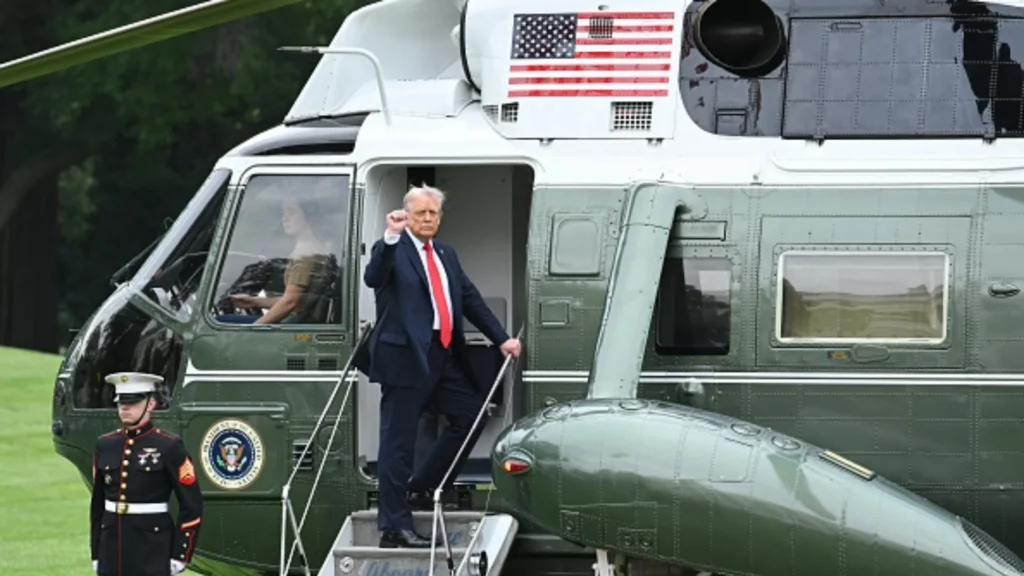
As U.S. President Donald Trump visits the U.K. American Big Tech firms have announced billions of dollars of investment in the country.
But while AI has taken center stage in the transatlantic partnership, it’s business as usual for the U.K. crypto sector.
Big Tech Pledges £31B of U.K. Investment
To coincide with the agreement of a “Tech Prosperity Deal” between the U.K. and the U.S. on Wednesday, American firms unveiled £31 billion ($42.3 billion) of planned investments in the U.K.
Leading the charge, Microsoft committed to spending $30 billion over the next four years to fund its ongoing operations in the country and build new AI infrastructure.
Half of the money, which represents Microsoft’s largest ever investment in the U.K., will be used to expand its data center footprint in the country. It will help finance a new supercomputer equipped with 23,000 Nvidia GPUs the firm said would be the largest in the country.
Building AI Infrastructure
Overall, Nvidia said it plans to ship 120,000 Blackwell processors to the U.K., “representing the largest AI infrastructure rollout in the country’s history.”
The chipmaker announced a fresh £500 million investment from BlackRock in partnership with Digital Gravity Partners, which will be used to upgrade existing data centers with new Nvidia tech. It also touted previous commitments to invest up to £11 billion in the U.K.
Meanwhile, CEO Jensen Huang, who joined Donald Trump at Wednesday night’s state banquet with the king, announced that Nvidia would acquire a £500 million stake in NScale.
The British AI infrastructure startup is a major beneficiary of the recent flurry of Big Tech investments, being a partner in Microsoft’s supercomputer project and a joint venture with OpenAI and Nvidia announced on Tuesday.
Stargate UK plans to deploy 8,000 GPUs in the first quarter of 2026, with the potential to scale to 31,000 processors over time.
Google and CoreWeave Outshone on Data Center Spending
Against Microsoft’s headline investment, other hyperscaler’s U.K. data center plans paled in comparison.
On Tuesday, Google committed £5 billion over two years to support AI research and cloud infrastructure development in the country. Meanwhile, Coreweave will spend an additional £1.5 billion boosting its data centre capacity in the U.K.
Crypto Eclipsed by AI Focus
Amid a whirlwind of announcements highlighting transatlantic collaboration on AI, crypto has so far been absent from the government’s rhetoric.
Prior to Trump’s arrival in London, the crypto sector lobbied the government to include digital assets and stablecoins as a “core strand” of any deal with the U.S.
According to the Financial Times, British officials still hope to agree on closer U.S.-U.K alignment on the issue. But as of Thursday, no such deal had been announced. And regardless of whether they reach an agreement on crypto, it doesn’t appear to be a top priority for Westminster.
Where the White House has centered crypto in its economic and technological vision for America, Kier Starmer’s government has been far more reserved.
Crypto Regulation in the U.K.
In May, then-Economic Secretary to the Treasury Lucy Reynolds ruled out establishing a national Bitcoin reserve equivalent to the one proposed by Donald Trump in the U.S.
The U.K.’s approach to crypto is less bombastic. Lawmakers are focused on steady legislative progress rather than headline-grabbing initiatives and partisan battle lines.
A framework drafted by the Treasury in April largely resembles proposals developed by the previous government, granting the Financial Conduct Authority (FCA) new powers to regulate the crypto sector.
As it prepares for its expanded remit, the FCA has signalled that it will exempt the sector from some of the strictest rules it imposes on traditional financial firms.
“We want to develop a sustainable and competitive crypto sector – balancing innovation, market integrity and trust,” David Geale, the FCA’s executive director of payments and digital finance, said on Wednesday.
Top Trending Crypto Articles

James Morales is CCN’s blockchain and crypto policy reporter. He has been working in the news media since 2020, writing about topics such as payments, banking and financial technology. These days, he likes to explore the latest blockchain innovations and the evolving landscape of global crypto regulation.
With an educational background in social anthropology and media studies, James uses his platform as a journalist to explore how new technologies work, why they matter and how they might shape our future.