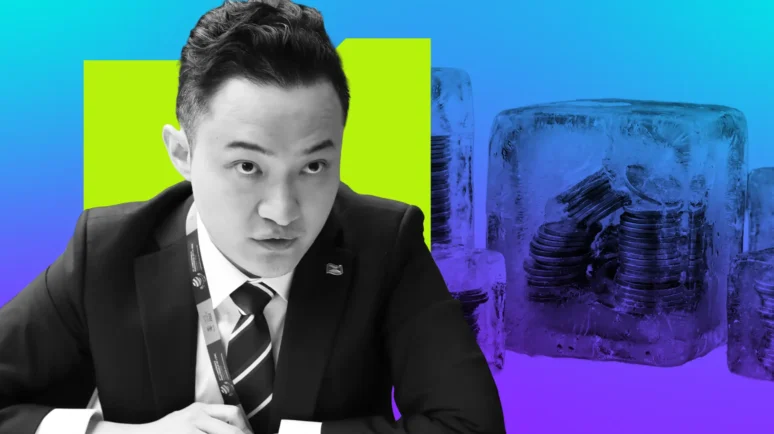
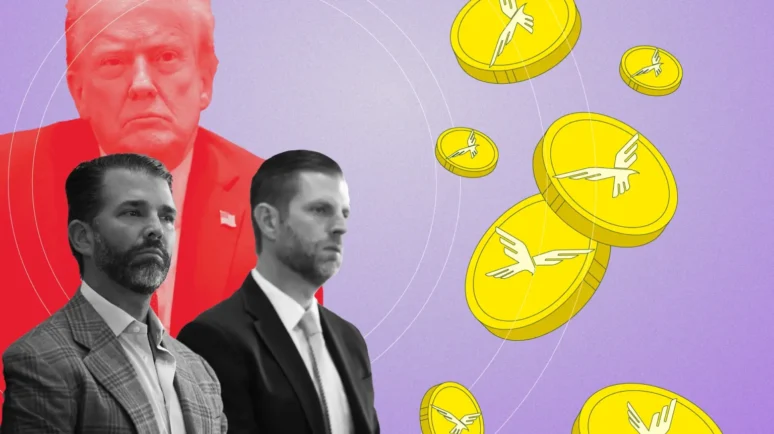
World Liberty Financial (WLFI) has announced it is filing a defamation lawsuit against Tron founder Justin Sun.
This marks a dramatic escalation in an already high-profile dispute between the crypto entrepreneur and the Trump-linked decentralized finance (DeFi) project.
The case comes weeks after Sun himself initiated action against WLFI in a California federal court, turning what began as an investor disagreement into a multi-front legal and reputational battle.
In a series of posts on X, WLFI accused Sun of orchestrating a “coordinated media smear campaign” aimed at damaging the project’s reputation and depressing the price of its native token.
The company claims Sun not only made false public statements but also amplified them through social media.
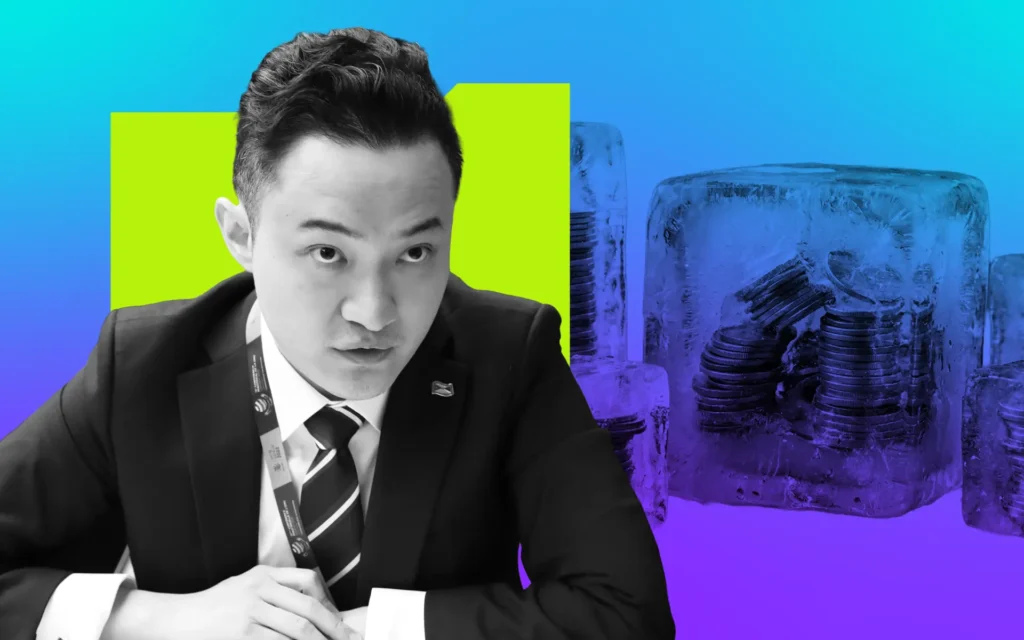
Sun, meanwhile, maintains that WLFI acted improperly by freezing his tokens and restricting his rights as a major investor.
Allegations of Smear Campaign and Defamation
WLFI alleges that Sun deliberately spread false claims about the platform’s governance and technical structure.
According to the company, Sun described WLFI as a “scam.”
He accused WLFI of installing undisclosed “backdoors,” and suggested that investor funds were being mishandled.
WLFI argues these statements are demonstrably false and were made with the intent to harm the project.
The firm further claims that Sun’s actions went beyond personal criticism.
It accuses him of funding a broader campaign involving influencers and bots to amplify negative narratives to millions of users.
WLFI also criticized media outlets for repeating Sun’s claims, arguing that prior regulatory scrutiny of Sun should have prompted greater caution.
Central to WLFI’s defense is its assertion that the controversial token-freezing mechanism was fully disclosed in its Terms of Sale and contractual agreements.
The company maintains that its governance processes are transparent and community-driven, rejecting claims of hidden control mechanisms.
Sun’s Lawsuit and Token Freeze Dispute
The dispute traces back to Sun’s investment in WLFI, which reportedly grew to approximately $75 million, making him one of the project’s largest backers.
In his April 2026 lawsuit filed in the US District Court for the Northern District of California, Sun alleges that WLFI improperly froze his tokens, preventing him from accessing funds, participating in governance, or exercising his rights as an investor.
Sun’s complaint includes allegations of breach of contract, fraud, and conversion.
He claims WLFI introduced a blacklist function into its smart contracts without adequate disclosure.
The freeze reportedly occurred after Sun transferred a portion of his holdings, affecting a substantial amount of his assets.
Additionally, Sun alleges that WLFI threatened to burn the frozen tokens, which would effectively erase their value.
He has called for the immediate unfreezing of his assets, financial damages, and legal protections against further actions by the project.
WLFI, however, contends that the freeze was a legitimate response to what it describes as “prohibited transactions,” including transfers involving exchanges such as Binance.
The company argues that such measures are necessary to protect the integrity of the ecosystem.
Broader Implications for DeFi Governance
The legal conflict highlights ongoing tensions within the DeFi sector around governance, control, and decentralization.
While platforms like WLFI promote themselves as decentralized, disputes like this raise questions about the extent to which core teams retain control over user assets and protocol decisions.
The disagreement has also spilled into governance debates within WLFI.
A recent proposal to extend token vesting schedules and impose stricter lock-up terms has drawn criticism from Sun, who is unable to vote due to the freeze on his tokens.
This dynamic has intensified concerns about fairness and participation in decentralized governance systems.
At the same time, WLFI has faced market pressures, with its token reportedly declining significantly from earlier highs.
Critics have pointed to governance uncertainty and structural issues as contributing factors.
Meanwhile WLFI has attempted to stabilize sentiment through buybacks and other measures.
As both sides pursue legal action, the outcome of this dispute could have far-reaching consequences.
Not only for the parties involved but also for broader industry standards around accountability in decentralized finance.










 WLFI Exposed? Eric Trump Battles Scam Claims, Says China ‘Controls’ Mainstream Media