Key Takeaways
- Vitalik Buterin says he trades on Polymarket to filter signal from noise and cut through hype.
- In 2025, he reportedly deployed around $440,000 on the platform and made roughly $70,000 in profit.
- His strategy focuses on fading “crazy” overhyped outcomes and profiting when markets return to more rational expectations.
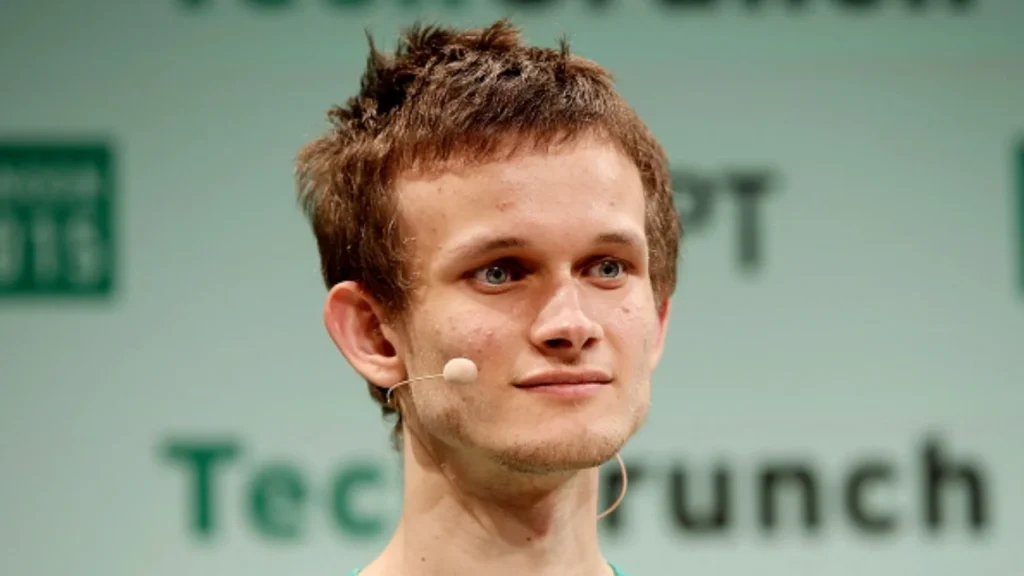
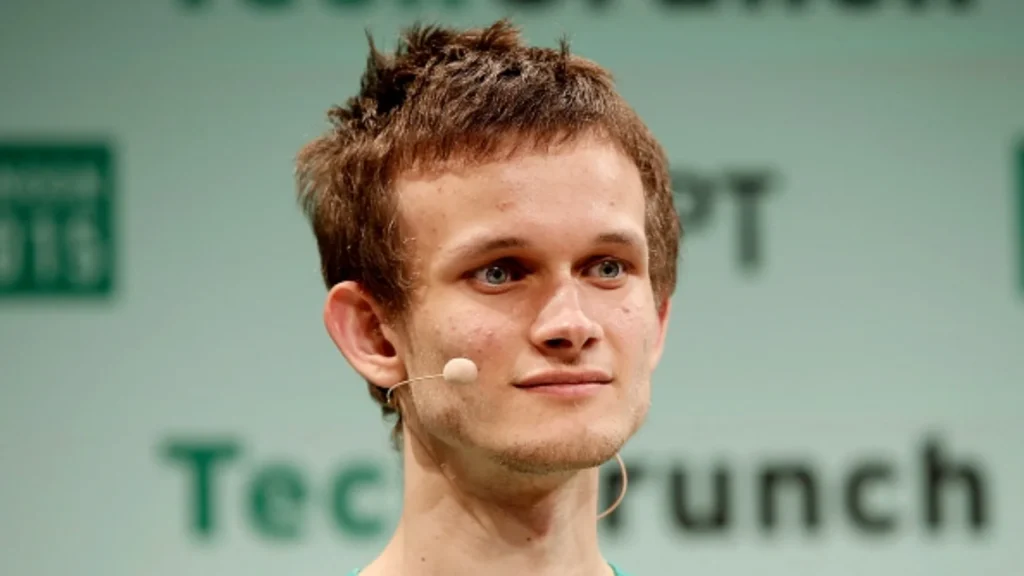
Ethereum co-founder Vitalik Buterin has been trading on Polymarket for over a year, but his profits there might surprise many.
Polymarket is a decentralized crypto betting platform on real-world events that allows traders to wager on Yes/No trades in crypto.
Vitalik Buterin’s “Anti-Insanity Mode,” Polymarket Strategy
In a recent interview, Buterin revealed he’s been trading on Polymarket for about a year—but not like the average degen chasing long shots.
He described what he calls an “anti-insanity mode” approach: waiting for prediction markets to get irrational, then betting that the most extreme outcome won’t happen.
“My approach is simple: I look for markets that are in ‘crazy mode’ and then bet that ‘crazy things won’t happen.’ For example, there’s a market betting on whether Trump will win the Nobel Peace Prize. When market sentiment enters this irrational ‘crazy mode,’ I bet on the opposite, and that usually makes money,” he said.
It’s not his first win in prediction markets either.
Back in 2020, during the U.S. presidential election, Buterin said he made around $58,000 from election-related bets—though he wasn’t a regular Polymarket user yet.
Buterin also argues these platforms matter beyond profit. He sees prediction markets as “social epistemic tools” that can help separate signal from noise in an age of nonstop misinformation.
According to the report, he deployed roughly $440,000 on Polymarket last year and netted about $70,000 in profit.
By consistently fading unlikely outcomes—whether it’s absurd award predictions or doomsday scenarios—he’s betting against hype, and letting the crowd’s overconfidence pay the bill.
Ethereum Co-Founder’s Strategy Reflects a Nuanced Approach
At a time when Polymarket activity has become increasingly aggressive—some traders posting outsized wins while many others absorb heavy losses—Buterin’s strategy stands out for its restraint.
Rather than chasing high-payout longshots, he focuses on markets that appear driven by emotional overreactions and inflated odds.
The goal is not to predict chaos, but to bet that improbable events won’t materialize once the initial frenzy fades.
Buterin has described this approach as a way to exploit mispricing during periods of heightened speculation, such as political controversies or economic panic.
It also aligns with his long-standing criticism of short-term trading behavior, which he argued often contributes little beyond volatility.
One example cited in discussions includes betting against the claim that “the dollar would go to zero next year,” a narrative that periodically resurfaces during inflation scares and extreme market cycles.
The bet paid off as markets corrected, with Buterin’s $70,000 haul in 2025 largely stemming from such anti-frenzy plays.
He avoided high-stakes gambles, instead using his principal to make measured, diversified bets that hedge against volatility while profiting from mispricings.
Critics argue that prediction markets encourage unethical betting, such as on wars or assassinations, but Buterin has defended them as comparable to traditional financial markets, where speculation and manipulation are also persistent risks.
He sees them as an “antidote” to social media echo chambers, providing financial incentives for truth-seeking.
In his vision of “info finance,” platforms like Polymarket could evolve to fund science, journalism, and governance by tying rewards to accurate forecasts.

Prashant Jha is a seasoned crypto journalist based in Delhi, India, with a Bachelor’s Degree in Computer Science Engineering. Passionate about the evolving world of blockchain and cryptocurrencies, he has been a dedicated voice in the industry since 2018. Prashant’s expertise lies in regulatory reporting, where he unravels complex legal and financial developments with clarity and precision. Before joining CCN in 2024, he honed his craft at Cointelegraph, establishing himself as a trusted name in crypto journalism.
His coverage spans major industry events, including the high-profile collapses of FTX, Three Arrows Capital (3AC), and LUNA, offering readers insightful analyses of their regulatory and market implications. Prashant’s technical background enables him to bridge the gap between intricate blockchain technology and its real-world applications, making his work accessible to novices and experts.
Beyond his professional pursuits, Prashant is an avid music enthusiast, often exploring diverse genres to unwind. A sports lover, he has a particular passion for cricket and frequently engages in discussions about the game. His multifaceted interests and sharp journalistic instincts make him a valuable contributor to CCN, where he continues shaping the crypto landscape's narrative.