Key Takeaways
- The U.S. is moving toward adopting CARF, a global crypto-reporting framework.
- With CARF’s rollout approaching, U.S. traders should clean up offshore activity and expect tighter audits.
- It comes as mandatory exchange reporting begins for U.S. investors in the 2025 tax year.
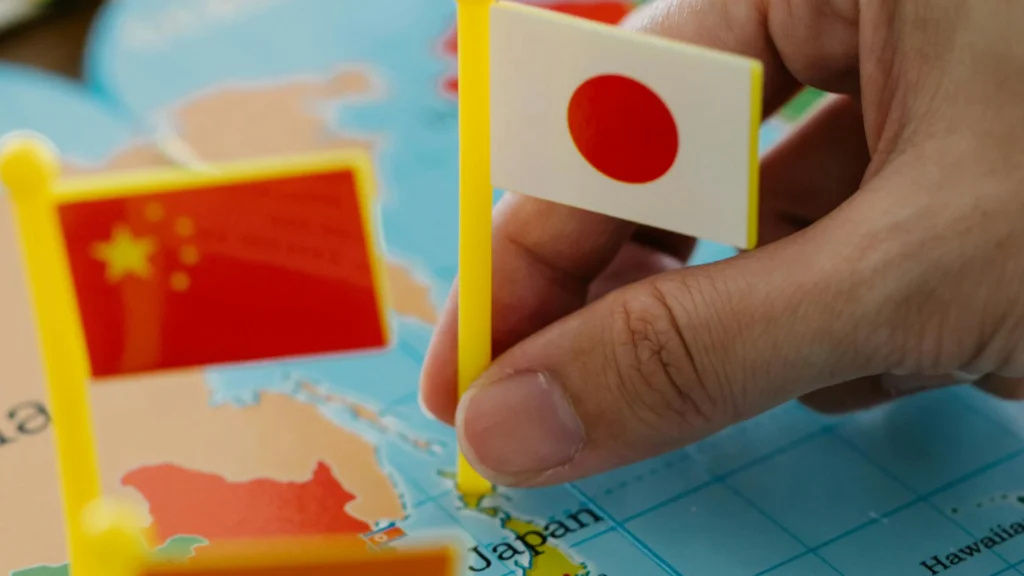
The Trump administration has taken another step toward embracing a global framework designed to provide tax authorities with greater insight into citizens’ offshore cryptocurrency activity.
The newly proposed Treasury rules, which would align the U.S. with the Crypto-Asset Reporting Framework (CARF), began review at the White House on Friday.
Whether or not U.S. traders currently hold any offshore crypto, it signals a growing push for tighter taxes around digital assets — and traders should be prepared.
What Is CARF?
CARF, created by the OECD in 2022, functions as an international standard for the automatic exchange of crypto-asset information between participating countries.
The White House began pushing the Treasury to sign on to CARF in July, stating it would “alleviate concerns that the lack of a reporting program could disadvantage America in crypto.”
The Trump-created President’s Working Group on Digital Asset Markets submitted a 168-page crypto report, in which a significant portion focused on tax.
“The ease of cross-border transfer and access to offshore exchanges enables U.S. taxpayers seeking to evade their tax obligations an offramp to do so,” the report reads, led by Crypto and AI Czar David Sacks.
The report adds: “As the ecosystem matures in the U.S., leaving these pathways untouched would create a structural disadvantage for brokers and exchanges domiciled in the U.S.”
Dozens of jurisdictions have already signed on, including major G7 economies and several well-known crypto hubs such as Singapore and the UAE.
The Trump administration has signaled agreement that coordinated crypto tax reporting rules could benefit U.S. exchanges by leveling the global playing field.
However, the administration has also made clear that CARF implementation should avoid burdening decentralized finance.
Where Trump’s U.S. Crypto Tax Rules Stand Today
Crypto tax compliance in the U.S. has historically been low.
An IRS review in 2023 found that only about 25% of crypto investors may be voluntarily meeting their tax obligations.
This is something the IRS aims to change with increased oversight.
For the first time, transactions in the 2025 tax year on centralized crypto exchanges will be subject to mandatory third-party reporting.
Exchanges are required to send both the IRS and customers a new form, Form 1099-DA, detailing all taxable sales and exchanges.
Investors will receive their copy by Jan. 30, 2026, in time to file 2025 returns.
This does not introduce new taxes. Instead, it provides the IRS with an independent data source to compare against a taxpayer’s return.
If the numbers don’t match, the agency’s Automated Under-reporter system may flag the discrepancy and issue a notice.
As CNN notes, if what you report doesn’t match what the exchange reports, the IRS’s automated systems may flag the discrepancy and send a notice asking for clarification.
Industry experts told CNN that while this increases enforcement, it may also simplify the lives of many investors who previously struggled to track their own transactions.
“The 1099, while it increases compliance, also makes life a lot easier for those who need to report on their investments,” said Tomer Siegal, Vice President of product at crypto tax software platform Ledgible.
How U.S. Crypto Traders Should Prepare Before 2027
Whether or not CARF is officially adopted, the trend is shifting toward the U.S. having more oversight on global crypto taxation.
With the global rollout of CARF scheduled for 2027, the clock is already ticking for U.S. regulators and for U.S. crypto traders who may soon find their offshore activity far more visible to the IRS.
Here’s what traders can do to stay ahead of the curve.
1. Clean Up Offshore Crypto Exchange Activity
If you hold assets on overseas platforms, even if they don’t currently report to U.S. authorities, those accounts may become highly visible under CARF.
- Ensure all prior gains and income are correctly reported.
- Consider repatriating assets to U.S. exchanges, where reporting is predictable.
2. Keep Detailed On-Chain Records
CARF doesn’t currently cover DeFi, but U.S. regulators can still subpoena or analyze on-chain activity.
To prepare:
- Use reliable portfolio-tracking tools.
- Maintain historical transaction exports from wallets and protocols.
3. Expect Tighter Audits
As reporting becomes more automated, discrepancies will be easier for the IRS to identify.
Traders should assume:
- Offshore wallets might eventually be matched to U.S. taxpayers.
- Unreported staking or yield income could surface in future reviews.
4. Proactively Work With a Crypto Tax Professional
- Consider working with a crypto-savvy accountant to stay out of trouble.
- Use a professional to help complete unfinished trading histories.
- Get help preparing for potential amended return filings.
Top Trending Crypto Articles

Kurt Robson is a London-based reporter at CCN, specialising in the fast-moving worlds of crypto and emerging technology. He began his career covering local news in Cornwall after graduating from Falmouth University with First Class Honours in Journalism. There, he cut his teeth on everything from council meetings to missing swans.
He quickly rose through the ranks to become a frontline journalist at several of the UK’s leading national newspapers. Over the years, he has interviewed musicians and celebrities, reported from courtrooms and crime scenes, and secured multiple front-page exclusives.
Following the upheaval of the COVID-19 pandemic, Kurt shifted his focus to technology journalism—just ahead of the AI boom. With a natural curiosity and a trained eye for emerging trends, he has found a new rhythm in reporting on innovation.
At CCN, Kurt's work focuses on the cutting edge of crypto, blockchain, AI, and the evolving digital world. Drawing on his background in people-first reporting and his deep interest in disruptive tech, Kurt delivers stories that are insightful, entertaining, and human-centric.