Key Takeaways
- Japan will roll out its most sweeping crypto regulatory overhaul in April 2026.
- The reforms reclassify 105 crypto tokens, including Bitcoin and Ethereum.
- Japan’s notoriously steep 55% crypto tax rate will drop to a flat 20% for qualifying assets.
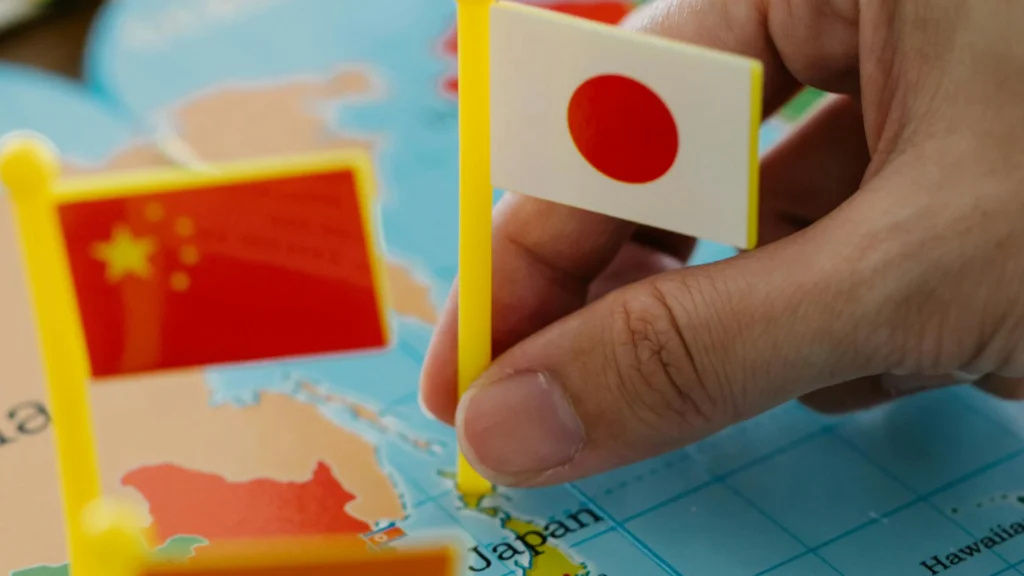
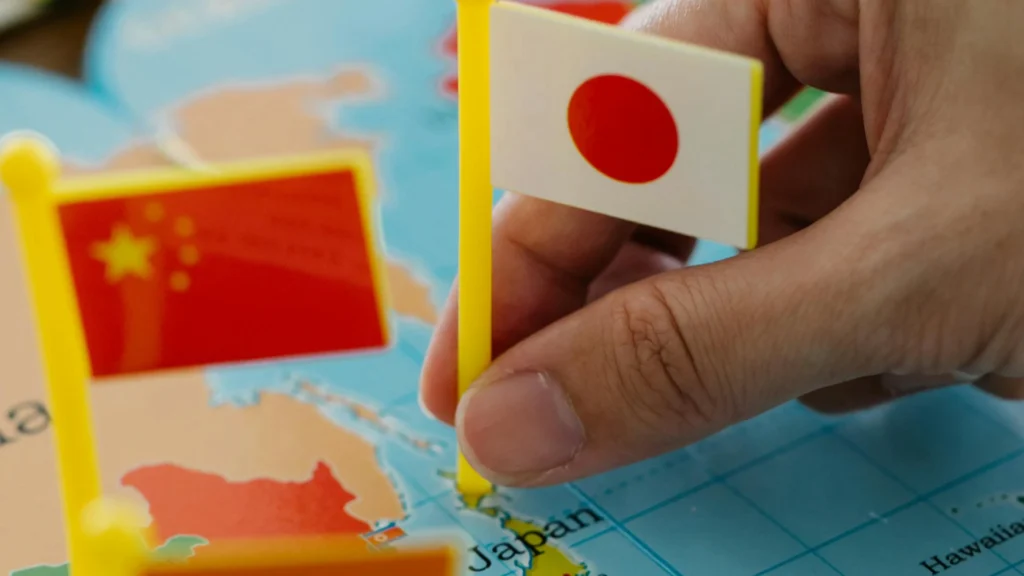
Japan is preparing to implement the most significant update to its crypto rulebook in more than five years.
The new rulebook marks a major pivot for a nation once known for its conservative approach to crypto oversight, shaped by past exchange failures and retail losses.
Beginning in April 2026, Japan will implement a package of reforms that fundamentally redraws the framework for taxing, classifying, and supervising crypto assets.
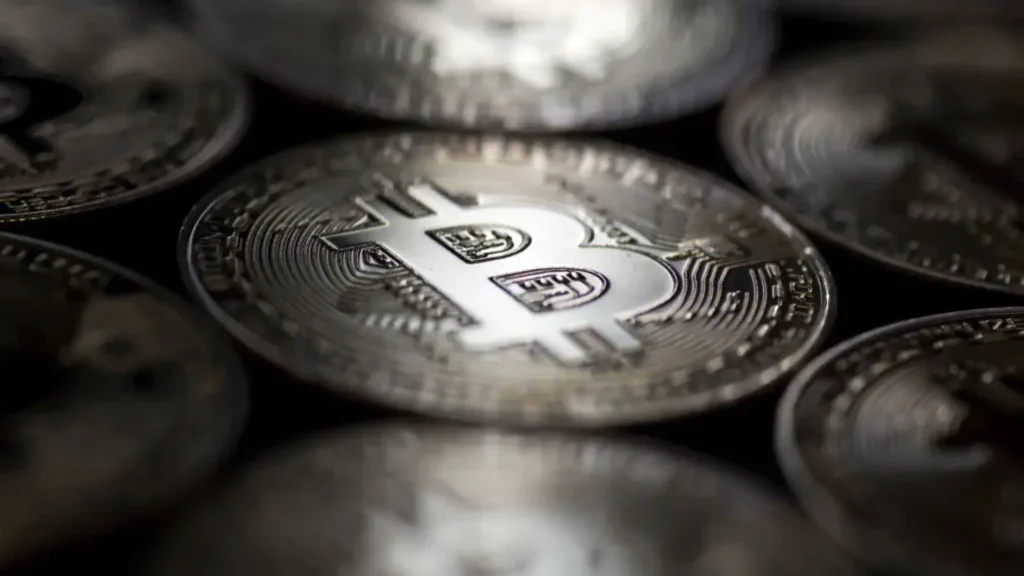
At the center of this shift is a decision by Japan’s Financial Services Agency (FSA) to reclassify 105 cryptocurrencies, including Bitcoin (BTC) and Ethereum (ETH), as financial products rather than miscellaneous digital assets.
A Major Tax Overhaul for Japan’s Crypto Investors
For years, Japan’s crypto traders have been subject to one of the harshest tax regimes in the developed world.
Profits from digital assets are currently treated as “miscellaneous income,” taxed at progressive rates that can reach 55% when national and municipal taxes are combined.
The new framework dramatically changes that.
Under the reforms, profits from approved cryptocurrencies will be taxed at a flat 20% rate, mirroring the tax structure applied to stock trading.
Investors will also be allowed to offset losses and carry them forward for up to three years, a benefit previously unavailable to crypto holders.
Only assets included in the FSA’s list of 105 “financial product–class crypto tokens” will qualify for the lower rate.
Smaller-cap or higher-risk tokens, such as memecoins, may continue to fall under the higher miscellaneous tax category.
The reforms are expected to boost retail activity and remove a long-standing barrier that kept many domestic investors on the sidelines.
Reclassification Brings Crypto Closer to Japan’s TradFi
Japan’s new rules go well beyond taxation.
The FSA is moving to treat major cryptocurrencies like regulated financial instruments under the Financial Instruments and Exchange Act (FIEA).
This new regime will introduce:
- Mandatory disclosures for exchanges listing approved tokens.
- Standardized risk and pricing information.
- Issuer detail requirements similar to securities prospectuses.
- Enhanced consumer protections under Japan’s financial products laws.
The changes are designed to align crypto oversight with the frameworks used in Japan’s equity and derivatives markets, extending traditional investor protections into crypto trading.
Banks May Soon Enter Japan’s Crypto Market
Under current rules, banks and insurers face strict limitations on holding or interacting with cryptocurrencies.
The FSA has signaled it will revisit these restrictions, raising the possibility that banks could eventually:
- Register as licensed crypto exchanges.
- Offer trading and custody services.
- Hold approved “financial product–class” cryptoassets on their balance sheets.
If implemented, this would mark one of the most significant institutional openings in Japan’s crypto market since 2017.
New Restrictions and Stricter Oversight
The overhaul isn’t simply a tax cut or a loosening of rules.
Japan is tightening several parts of its regulatory framework to bring crypto closer to the standards of traditional finance.
Stronger Insider-Trading Rules for Japan’s Crypto Traders
Once the 105 approved cryptocurrencies are reclassified as financial products, they will automatically fall under Japan’s insider trading and market manipulation laws.
That means the same penalties that apply to equities will apply to crypto.
Fines that can reach ¥10 million (roughly $65,000), possible prison terms, and criminal liability for trading on non-public information.
The FSA will also monitor suspicious trading more aggressively, using the same tools it deploys in securities markets.
Higher Compliance Requirements for Japan’s Crypto Exchanges
Exchanges will shoulder a heavier burden under the new framework.
They will be required to report their asset reserves in near real time, disclose detailed cybersecurity practices, and maintain stricter separation between customer funds and corporate accounts.
These obligations are intended to reduce the risk of fraud or mismanagement—issues that have historically shaped Japan’s cautious stance toward the industry.
Lower-cap tokens that don’t meet the new standards may not qualify for reclassification at all, leaving them under the older, less favorable tax rules and potentially exposing them to delistings as exchanges adapt to the updated regime.
AI-Driven Surveillance
In response to prior exchange hacks, the FSA will deploy AI-powered monitoring tools to detect manipulation and abnormal trading activity.
Persistent violations could result in license suspensions or revocations—an enforcement approach Japan has used aggressively in the past.
Top Trending Crypto Articles

Prashant Jha is a seasoned crypto journalist based in Delhi, India, with a Bachelor’s Degree in Computer Science Engineering. Passionate about the evolving world of blockchain and cryptocurrencies, he has been a dedicated voice in the industry since 2018. Prashant’s expertise lies in regulatory reporting, where he unravels complex legal and financial developments with clarity and precision. Before joining CCN in 2024, he honed his craft at Cointelegraph, establishing himself as a trusted name in crypto journalism.
His coverage spans major industry events, including the high-profile collapses of FTX, Three Arrows Capital (3AC), and LUNA, offering readers insightful analyses of their regulatory and market implications. Prashant’s technical background enables him to bridge the gap between intricate blockchain technology and its real-world applications, making his work accessible to novices and experts.
Beyond his professional pursuits, Prashant is an avid music enthusiast, often exploring diverse genres to unwind. A sports lover, he has a particular passion for cricket and frequently engages in discussions about the game. His multifaceted interests and sharp journalistic instincts make him a valuable contributor to CCN, where he continues shaping the crypto landscape's narrative.