Key Takeaways
- South Korea’s Digital Asset Basic Act, which aims to regulate stablecoin issuance, has been delayed until 2026 due to ongoing regulatory disputes.
- The primary deadlock is between the FSC, which favors innovation and broader issuers, and the BOK.
- The bill requires 100% reserves in safe assets, such as bank deposits, with delays risking slower crypto growth amid foreign stablecoin dominance.
South Korea’s much-awaited stablecoin regulations have been postponed, again.
The Digital Asset Basic Act, also referred to as Phase 2 of the Virtual Asset Act or the comprehensive digital asset framework, has been delayed until 2026.
This bill aims to establish rules for stablecoin issuance, including licensing, reserve management, and investor protections, building on the existing Virtual Asset User Protection Act enacted in 2023-2024, with a focus on unfair trading and user safeguards.
Regulatory Deadlock
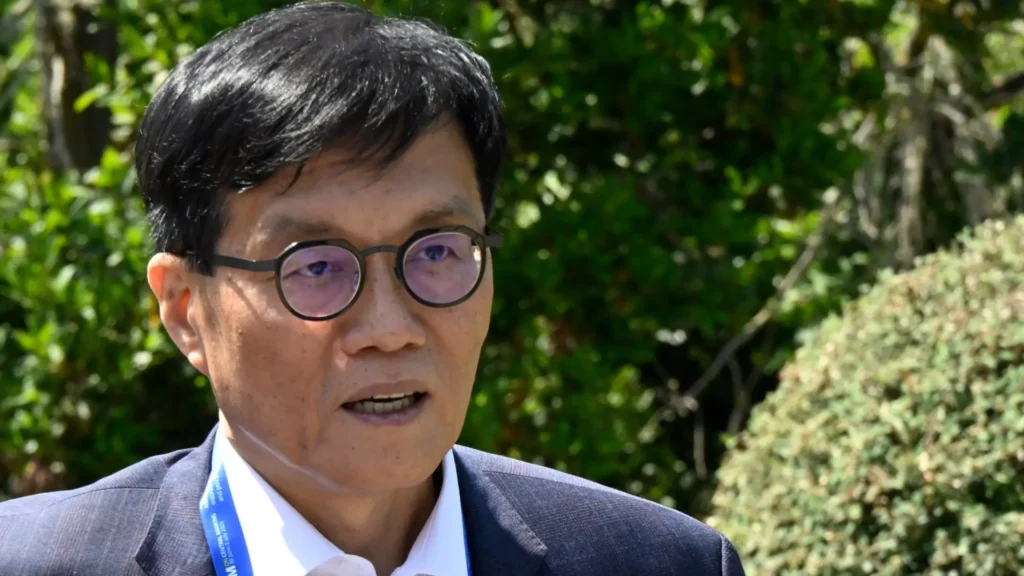
According to local reports, the primary cause is an ongoing deadlock between regulators, particularly the Financial Services Commission (FSC) and the Bank of Korea (BOK).
While the FSC, which oversees financial regulation, prefers a more flexible approach to encourage innovation, the central bank prioritizes financial stability and stricter controls.
At the center of the dispute is the BOK’s insistence that stablecoin issuers operate as consortia in which banks hold at least 51% ownership, citing banks’ experience with supervision and anti-money-laundering controls.
Tensions escalated further after the BOK suggested forming a dedicated licensing committee or consultation body with veto power over stablecoin approvals.
Regulators at the FSC rejected the idea, saying existing coordination mechanisms involving the FSC, BOK, and Ministry of Economy and Finance already provide sufficient oversight.
Beyond governance structure, disagreements extend to reserve requirements, enforcement authority, supervisory jurisdiction, and whether interest-bearing stablecoins should be permitted at all.
South Korea’s Stablecoin Timeline
South Korea has been working on comprehensive crypto regulations, and initiatives have been boosted with the election of President Lee Jae-myung, who prioritized developing Korean won-backed stablecoins to protect monetary sovereignty amid the dominance of U.S. dollar stablecoins.
The proposed bill requires issuers to hold 100% reserves in safe assets, such as bank deposits or government bonds, with full custody by banks.
It guarantees user redemptions to prevent bankruptcy spillovers.
Despite delays, private sector activity continues to progress, with major banks exploring consortia for won-pegged stablecoins, targeting 2026 launches.
Meanwhile, pilots such as BC Card’s stablecoin payments for foreigners have been completed.
The ruling Democratic Party is preparing its own consolidated bill, synthesizing proposals from lawmakers, which could potentially advance independently in early 2026.
Currently, domestic stablecoin issuance remains illegal, resulting in a reliance on foreign tokens.

Prashant Jha is a seasoned crypto journalist based in Delhi, India, with a Bachelor’s Degree in Computer Science Engineering. Passionate about the evolving world of blockchain and cryptocurrencies, he has been a dedicated voice in the industry since 2018. Prashant’s expertise lies in regulatory reporting, where he unravels complex legal and financial developments with clarity and precision. Before joining CCN in 2024, he honed his craft at Cointelegraph, establishing himself as a trusted name in crypto journalism.
His coverage spans major industry events, including the high-profile collapses of FTX, Three Arrows Capital (3AC), and LUNA, offering readers insightful analyses of their regulatory and market implications. Prashant’s technical background enables him to bridge the gap between intricate blockchain technology and its real-world applications, making his work accessible to novices and experts.
Beyond his professional pursuits, Prashant is an avid music enthusiast, often exploring diverse genres to unwind. A sports lover, he has a particular passion for cricket and frequently engages in discussions about the game. His multifaceted interests and sharp journalistic instincts make him a valuable contributor to CCN, where he continues shaping the crypto landscape's narrative.