Key Takeaways
- The government of New Zealand plans to ban crypto ATMs.
- The proposal is part of a new anti-money laundering package.
- New Zealand follows in the footsteps of countries including the U.K. and Singapore
Critics and proponents of crypto ATMs have long been divided over their pros and cons, leading to divergent legal treatment in different jurisdictions.
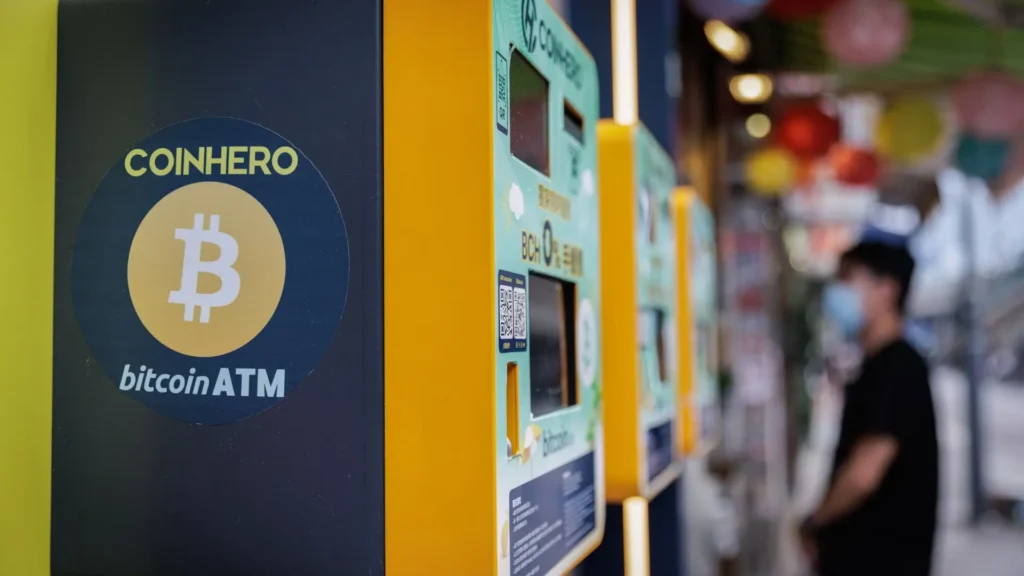
However, in New Zealand, the critics have scored a crucial victory, as the government plans to ban crypto ATMs amid a major anti-money laundering and counter-terrorism financing (AML/CFT) push.
New Zealand’s AML Overhaul
In a statement on Wednesday, July 9, Associate Justice Minister Nicole McKee announced proposals to overhaul New Zealand’s AML/CFT regime.
She said the government has agreed to introduce a bill to strengthen enforcement powers for law enforcement and regulators.
The new approach will update the country’s supervisory regime to “deliver more clarity and consistency for businesses while maintaining a strong focus on preventing criminal misuse of the financial system.”
Other measures in the bill will include a $5,000 upper limit on international cash transfers and a ban on crypto ATMs, which can currently be found in many locations across New Zealand.
Operators serving the New Zealand market include Localcoin and CoinFlip, whose machines offer BTC buying and selling services, as well as support for other cryptocurrencies.
Money Laundering and Fraud Risks
At the intersection of two crucial components of modern money laundering systems, ATMs that facilitate swaps between cash and crypto pose a considerable risk of misuse.
Efforts to prevent crypto ATMs from being used for illicit purposes include enforcing registration and identification, which New Zealand has already done. Nonetheless, research suggests they remain a major vulnerability in the global AML/CFT armor.
For instance, TRM Labs found that in 2023, illicit transactions accounted for 1.2% of all cash-to-crypto volume, double the figure for the overall crypto ecosystem.
Money laundering concerns aren’t the only factor behind efforts to ban crypto ATMs.
Meanwhile, countries with the most Bitcoin ATMs have also seen a rise in crypto scams, with fraudsters often directing victims to use them to deposit cash.
In June, the city of Spokane, Washington, cited such incidents in its decision to ban cryptocurrency ATMs amid a surge in scams targeting vulnerable residents.
Which Countries Have Banned Crypto ATMs?
With the government’s latest proposal, New Zealand joins a growing list of jurisdictions that have prohibited crypto ATMs.
United Kingdom
In March 2022, the Financial Conduct Authority (FCA) declared all crypto ATMs illegal, citing non-compliance with registration and anti‑money laundering rules.
Singapore
The Monetary Authority of Singapore placed a moratorium on crypto ATMs in 2022, as part of a wider crackdown on the unregulated crypto sector.
Countries With General Crypto Bans
China maintains an outright ban on most cryptocurrency transactions, effectively prohibiting all Bitcoin ATM operations since September 2021. Similar restrictions are in place in Algeria, Bangladesh, Egypt, Iraq, Morocco, Nepal, Qatar and Tunisia.

James Morales is CCN’s blockchain and crypto policy reporter. He has been working in the news media since 2020, writing about topics such as payments, banking and financial technology. These days, he likes to explore the latest blockchain innovations and the evolving landscape of global crypto regulation.
With an educational background in social anthropology and media studies, James uses his platform as a journalist to explore how new technologies work, why they matter and how they might shape our future.