Key Takeaways
- South Korea’s major holding companies are rushing to partner with tech giants like Samsung in the wake of upcoming stablecoin regulations.
- The country’s financial regulator is expected to introduce a new stablecoin bill before the end of 2025.
- Once approved, the stablecoin bill could pave the waysouth for private entities and banks to deal with regulated won-pegged stablecoins.
South Korea’s financial heavyweights are teaming up with the country’s biggest tech firms to get ahead in what could become Asia’s most ambitious stablecoin race.
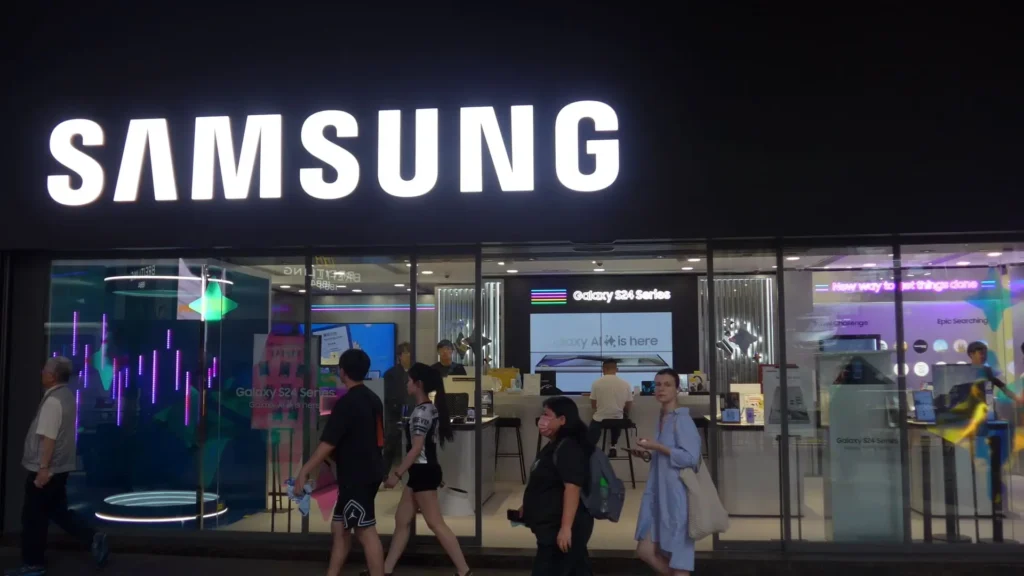
With stablecoin regulations set to land by year’s end, major holding companies like KB, Shinhan, Hana, and Woori are scrambling to strike partnerships with platforms such as Samsung Electronics, Naver, and Kakao.
The goal: to launch the country’s first won-pegged stablecoins before regulators open the floodgates.
The Stablecoin Bill That Could Change Korea’s Financial Landscape
The race began when South Korea’s Financial Services Commission (FSC) revealed plans to introduce a comprehensive stablecoin bill to the National Assembly by the end of 2025.
If passed, the legislation would formally legalize won-backed stablecoins and allow banks to issue or co-issue them with private partners.
It would also merge six separate parliamentary proposals already in motion — covering licensing, reserves, and risk management — into one cohesive framework.
President Lee Jae-myung’s administration has been vocal about encouraging regulated stablecoins as part of a broader “crypto competitiveness” agenda.
Officials see them as a way to modernize Korea’s financial infrastructure while maintaining control over national liquidity.
Big Tech Steps In
For banks, building blockchain and payment infrastructure from scratch could take years.
That’s where Korea’s tech titans come in.
“Under these circumstances, alliances with big tech firms are considered essential,” one industry official said, “since it would take banks considerable time to develop the necessary technology on their own. Tech giants, on the other hand, already have strong platform ecosystems and are best positioned to secure practical use cases once stablecoins are issued.”
These partnerships are already taking shape:
- KB Kookmin Bank has filed over 17 trademarks for a “KB KRW” stablecoin and set up a dedicated stablecoin division.
- Shinhan Financial Group is piloting a won-backed coin on its in-house delivery app and testing international payments through SBJ Bank in Japan and Shinhan Vietnam Bank.
- Hana Financial Group has launched a Digital Asset Task Force to coordinate its affiliates under Chairman Ham Young-joo’s supervision.
- Woori Financial Group is leveraging its long-standing relationship with Samsung Electronics, collaborating on Samsung Wallet, where Woori Bank operates the wallet’s money and points system.
These collaborations extend beyond payments — they encompass custody, token issuance, insurance, and risk management, laying the groundwork for a fully digital won ecosystem.
Why the Rush?
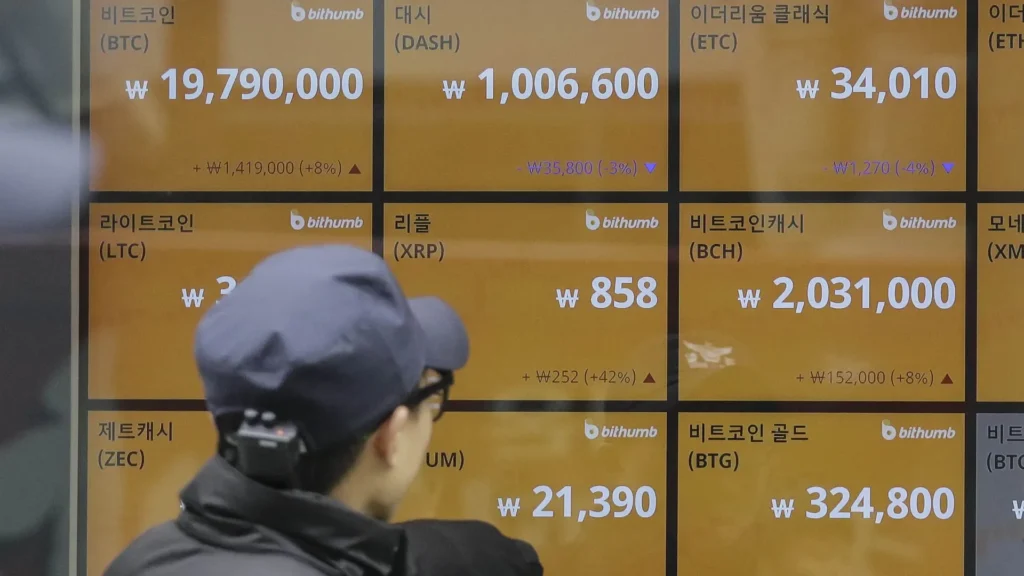
The timing couldn’t be more critical. Korea’s domestic stablecoin transaction volumes have already topped 60 trillion won ($41 billion) this year despite the market operating in a gray regulatory area.
With the stablecoin bill on the horizon, banks are eager to establish credibility early.
Meanwhile, Big Tech companies like Kakao and Naver, already embedded in everyday Korean life through services like KakaoPay and NaverPay, offer instant distribution to millions of users.
The result could be a uniquely Korean model of digital currency: a hybrid system where private banks ensure regulatory compliance while tech firms deliver usability and scale.
Top Trending Crypto Articles

Prashant Jha is a seasoned crypto journalist based in Delhi, India, with a Bachelor’s Degree in Computer Science Engineering. Passionate about the evolving world of blockchain and cryptocurrencies, he has been a dedicated voice in the industry since 2018. Prashant’s expertise lies in regulatory reporting, where he unravels complex legal and financial developments with clarity and precision. Before joining CCN in 2024, he honed his craft at Cointelegraph, establishing himself as a trusted name in crypto journalism.
His coverage spans major industry events, including the high-profile collapses of FTX, Three Arrows Capital (3AC), and LUNA, offering readers insightful analyses of their regulatory and market implications. Prashant’s technical background enables him to bridge the gap between intricate blockchain technology and its real-world applications, making his work accessible to novices and experts.
Beyond his professional pursuits, Prashant is an avid music enthusiast, often exploring diverse genres to unwind. A sports lover, he has a particular passion for cricket and frequently engages in discussions about the game. His multifaceted interests and sharp journalistic instincts make him a valuable contributor to CCN, where he continues shaping the crypto landscape's narrative.