Key Takeaways
- Operation TorNado resulted in 354 arrests worldwide and more than $234 million in cash and crypto seized.
- Blockchain tracing helped investigators connect the darknet vendor BarbaraWhite to its alleged operators, two Florida brothers.
- Authorities linked BarbaraWhite to at least 12 overdoses, including three deaths.
Authorities seized more than $234 million in cash and cryptocurrency during Operation TorNado. This international crackdown exposed darknet drug networks and highlighted how blockchain tracing can help identify their alleged operators.
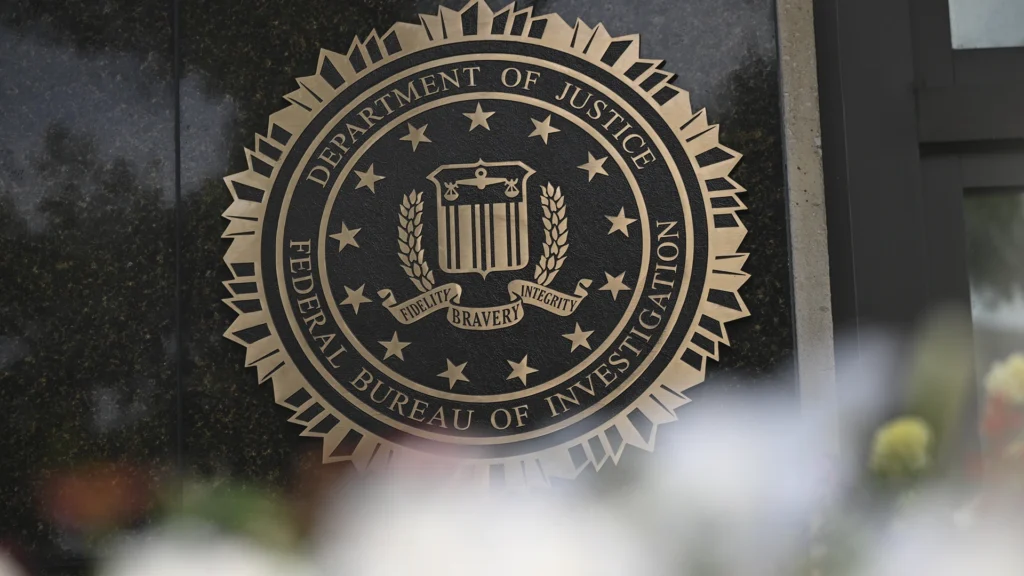
The Justice Department and Europol announced the results, reporting 354 arrests worldwide.
Among the cases was an alleged counterfeit opioid operation run by two Florida brothers under the darknet vendor name “BarbaraWhite.”
Investigators combined cryptocurrency transaction analysis with marketplace records, surveillance, and undercover purchases to connect the online business to its alleged operators.
According to Chainalysis, authorities linked the vendor to at least 12 overdoses, including three deaths.
Operation TorNado Targets Global Darknet Networks
Operation TorNado ran from May 2025 through October 2026, bringing together investigations across the US, Europe, Australia and New Zealand.
The Justice Department reported seizures of approximately 5.7 metric tons of illicit drugs, 38 pill presses and 209 firearms. US authorities made 132 arrests, while British authorities arrested 59 people. The coordinated effort generated dozens of federal prosecutions.
Investigators built cases using intelligence gathered after authorities dismantled major darknet marketplaces, including Archetyp, Bohemia, Nemesis, Kingdom and Tor2Door.
Europol said its forensic and blockchain analysis teams traced transactions and uncovered evidence, while international information sharing helped investigators connect suspects across jurisdictions.
Authorities also pursued activity on encrypted messaging services, forums and individual vendor websites.
Bitcoin Payments Helped Identify BarbaraWhite
Authorities arrested Jacksonville brothers Vladislav and Stanislav Chernyshov on Aug. 28 on charges of conspiring to distribute nitazenes.
Prosecutors allege the pair sold counterfeit oxycodone pills through BarbaraWhite. Laboratory testing identified several nitazenes in pills advertised as “fent free,” despite those substances potentially matching or exceeding fentanyl’s potency. The investigation began after a fatal overdose in Arlington, Virginia.
According to Chainalysis’ account of the affidavit, investigators identified Bitcoin addresses allegedly used to withdraw BarbaraWhite’s proceeds from Nemesis, Bohemia and Abacus.
Analysis of the wallet network showed approximately $220,000 in incoming cryptocurrency from darknet marketplaces and about $230,000 in outgoing transfers.
Recipients included a cryptocurrency postage service, another alleged drug vendor, and a China-based chemical supplier.
Investigators identified approximately $7,210 in payments to the supplier, which they alleged provided nitazenes.
Those transfers helped map the business behind the storefront.
Investigators then identified connections between BarbaraWhite’s wallets and other wallets that transacted with a mobile payment account belonging to Stanislav, Chainalysis said.
Blockchain Evidence Connected Online Sales to Physical Harm
The financial trail gave investigators leads that extended beyond cryptocurrency.
Payments connected alleged sales activity with shipping services and chemical procurement, helping authorities reconstruct how the operation obtained supplies and distributed products.
Chainalysis’ Reactor visualization recreated part of that transaction network, showing relationships between wallets attributed to BarbaraWhite and addresses associated with potential customers and other vendors.
However, transaction patterns formed one component of the investigation.
Agents also used postal records, physical surveillance, marketplace information, and controlled purchases to test connections between digital activity and identifiable people.
Top Trending Crypto Articles
The information provided in this article is for informational purposes only. It is not intended to be, nor should it be construed as, financial advice. We do not make any warranties regarding the completeness, reliability, or accuracy of this information. All investments involve risk, and past performance does not guarantee future results. We recommend consulting a financial advisor before making any investment decisions.

Giuseppe Ciccomascolo began his career as an investigative journalist in Italy, where he contributed to both local and national newspapers, focusing on various financial sectors.
Upon relocating to London, he worked as an analyst for Fitch's CapitalStructure and later as a Senior Reporter for Alliance News. In 2017, Giuseppe transitioned to covering cryptocurrency-related news, producing documentaries and articles on Bitcoin and other emerging digital currencies. He also played a pivotal role in establishing the academy for a cryptocurrency exchange website. Crypto remained his primary area of interest throughout his tenure as a writer for ThirdFloor.