KYC leaked data are not a risk for crypto only. Read more. | Credit: CCN.com
Share
Key Takeaways
Bitcoiners face a new wave of threats as criminals increasingly use “wrench attacks”.
Criminals have abducted victims for as little as $6,000 in crypto.
KYC rules were meant to improve transparency and security, but, in practice, they centralize risk.
Best practices go beyond cold storage and seed phrases.
For years, Bitcoiners feared losing their coins to phishing scams, exchange collapses, or misplaced private keys.
But in 2025, the bigger threat may be something far more visceral: violent criminals targeting them in their homes.
Wrench attacks, named after the crude image of criminals threatening victims with a physical weapon until they hand over their private keys, are on the rise.
Unlike cybercrime, which requires technical skill, wrench attacks exploit one of Bitcoin’s weakest points: its human users.
And due to widespread leaks of sensitive personal data, criminals no longer need to guess who might hold Bitcoin. Millions of investors’ names, addresses, and transaction histories are available online.
From Data Breaches to Physical Threats: How KYC Leaks Put Bitcoin Holders at Risk
The link between digital leaks and real-world attacks is now undeniable.
Centralized exchanges, forced to comply with Know Your Customer (KYC) rules, collect troves of personal data: government IDs, selfies, home addresses, phone numbers, and even proof-of-income documents.
When that data leaks, as it has repeatedly in the past few years, it provides would-be attackers with a ready-made hit list.
That’s not an abstract risk. Attackers can now pinpoint exactly who has exposure to Bitcoin, where they live, and sometimes even how much they own.
While in the past, only so-called “Bitcoin OGs” or whales were considered targets, criminals are increasingly willing to attack ordinary holders. Cases have been documented where victims were abducted for as little as $6,000 in crypto.
Try Our Recommended Crypto Exchanges
Sponsored
Disclosure
We sometimes use affiliate links in our content, when clicking on those we might receive a commission at no extra cost to you. By using this website you agree to our terms and conditions and privacy policy.
A cryptocurrency investor recently lost $3 million in Tether (USDT) after unknowingly approving a malicious blockchain transaction. Instead of verifying the entire contract address, the victim checked only the beginning and ending characters, a common shortcut many users take. Attackers exploited this habit by using a nearly identical address, tricking the investor into signing away their funds.
Someone fell victim to a phishing attack, signed a malicious transfer, and lost 3.05M $USDT!
Stay alert, stay safe. One wrong click can drain your wallet.
Never sign a transaction you don’t fully understand.
Double-check the URL, double-check all signature requests
Within seconds, the entire balance was drained. Blockchain data shows the funds were moved to a scammer-controlled wallet, highlighting just how unforgiving one small mistake can be in digital asset management.
The surge in these attacks often coincides with bull markets. As Bitcoin pushes new all-time highs, recently breaching $110,000, the number of physical crimes against holders has climbed in parallel.
When Regulation Creates Risk: The Dark Side of KYC in Crypto
The tension lies in the trade-off between compliance and safety.
Exchanges argue that KYC is necessary to comply with regulations and prevent fraud.
Yet by centralizing user data, they’ve created massive honeypots that hackers, insiders, and state actors seek to exploit.
In June, a breach was disclosed that exposed sensitive data of some Cybernews customers, including addresses.
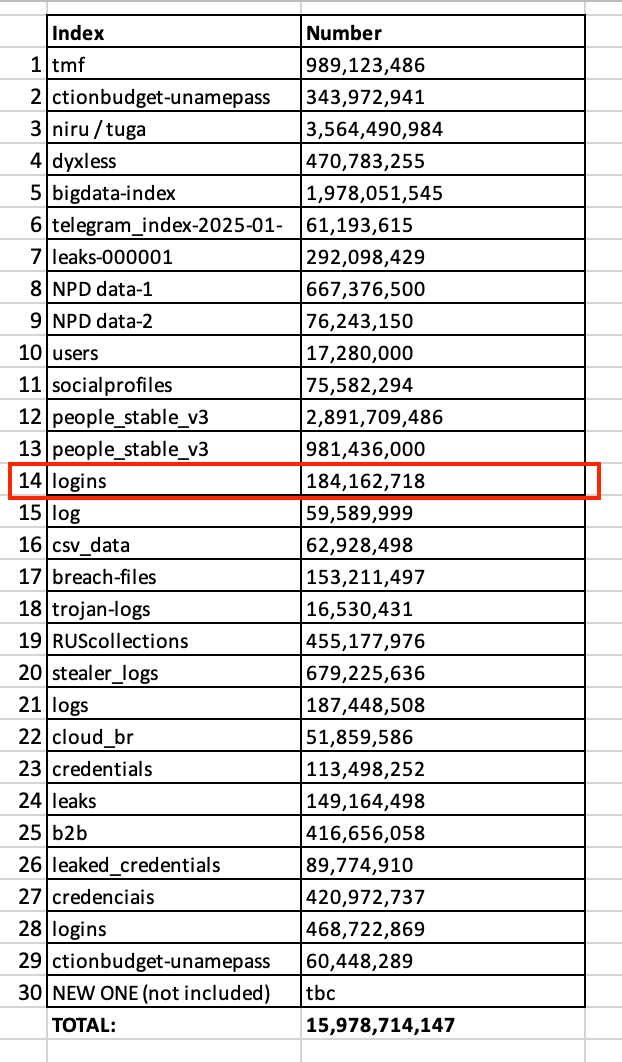
A “mysterious database” with 184 million records. Source: Bob Diachenko.
Stories abound of criminals abducting individuals for relatively modest sums—$6,000, $10,000, $50,000. While such amounts may not move markets, they can be life-changing for victims.
For attackers, small targets can be more attractive: they’re less likely to have professional security, they may be careless with personal information, and they may be quicker to comply under duress.
In countries with rising inflation or economic instability, middle-class crypto holders often represent low-hanging fruit: visible enough to appear wealthy, but without the protection afforded to elites.
This democratization of crypto ownership, once celebrated as a form of financial inclusion, has also democratized risk.
Beyond Cold Storage: Personal Security Strategies for Bitcoin Holders
Given the growing threats, personal safety has become a key topic in Bitcoin circles.
Security is not just about seed phrases and cold wallets but physical resilience.
Some of the most recommended strategies include:
Minimizing digital footprints: Avoid sharing Bitcoin ownership online or linking it to personal accounts.
Using pseudonyms: Many seasoned Bitcoiners separate their legal and crypto identities as much as possible.
Rethinking custody: Some opt for multisig wallets, where multiple keys are needed, making it harder for attackers to coerce a single victim.
Geographic precautions: Don’t store extensive holdings at home. Cold wallets can be stored in secure facilities or spread across multiple locations.
Insurance and custodianship: Ironically, some investors are now turning back to regulated custodians, accepting counterparty risk over physical risk.
Remember, no solution is perfect. Each choice involves trade-offs between privacy, control, convenience, and safety.
However, one truth is emerging: as Bitcoin becomes more valuable, being careless about personal security becomes more dangerous.
Two Fronts of Risk: Why Bitcoiners Face Both Digital and Physical Threats
The dangers facing Bitcoiners aren’t limited to wrench attacks.
A 2025 report detailing billions of leaked credentials underscores how vulnerable everyone, not just crypto holders, has become in the digital economy. But crypto raises the stakes.
For a bank account hack, banks can often reverse transactions or reimburse customers. With Bitcoin, there’s no recourse. The funds are gone forever once private keys are compromised, whether through hacking or coercion.
This irreversibility makes Bitcoin both appealing to criminals and especially dangerous for victims.
Moreover, blending cybercrime and physical crime means Bitcoiners must now defend on two fronts simultaneously: the digital and the physical.
High-Profile Kidnappings: How Criminals Target Crypto Wealth
Date: January 2025 Ledger co-founder David Balland and his wife were abducted in their French home. Criminals mutilated Balland to extract wallet credentials and later demanded ransom from another co-founder. Police deployed 200 officers and arrested 10 suspects.
Las Vegas Man Abducted by Teenagers
Date: November 2024 Three teens lured a man after a crypto event and abducted him at gunpoint. They stole $4 million in crypto and NFTs before the victim escaped on foot. Police later charged the suspects.
$230M Bitcoin Heist Tied to Minecraft Gamers
Date: August 2024 Hackers who stole 4,100 BTC ($230M) turned on one of their own, targeting the parents of 18-year-old Veer Chetal. They ambushed the couple in Connecticut, but an off-duty FBI agent intervened. The kidnappers crashed during their escape and were arrested. Authorities later recovered much of the stolen Bitcoin.
Kidnapping of French Crypto Influencer’s Father
Date: December 2024 Attackers abducted the father of a Dubai-based crypto influencer, holding him for 24 hours and threatening him with gasoline. Police found him injured but alive in the trunk of a car.
The Bitcoin ethos has always emphasized personal responsibility. “Be your own bank” is both empowering and sobering. However, as criminals weaponize leaked data and regulators insist on more surveillance, that responsibility extends beyond private keys.
It means recognizing that holding Bitcoin makes you a potential target. It means investing not just in hardware wallets, but also in situational awareness, operational security, and, at times, legal structures like trusts or corporate vehicles to shield identity.
The hard truth is that privacy and safety for Bitcoiners may actually worsen before they improve. As prices climb and adoption grows, the incentive for criminals rises in tandem.
Conclusion: Securing the Human Layer
The rise in wrench attacks fueled by leaked KYC data is a reminder that Bitcoin’s weakest link isn’t code, consensus, or cryptography—it’s people.
No blockchain upgrade can stop a criminal with a crowbar from demanding private keys, and no zero-knowledge proof can protect an investor whose home address has been leaked online.
Education, preparation, and resilience can help. By acknowledging the risks, reducing personal exposure, and adopting both digital and physical countermeasures, Bitcoiners can navigate this new reality.
In a world of trillion-dollar markets and mass data leaks, every Bitcoiner must assume they are on the radar—and act accordingly.
Why are leaked KYC records such a big problem for Bitcoiners?
When exchanges or platforms suffer breaches, sensitive details like names, addresses, and ID documents can end up online. Criminals use this information to identify and physically target Bitcoin holders, turning leaked databases into hit lists.
Are only wealthy Bitcoiners at risk?
No. While high-profile investors remain prime targets, documented cases show criminals attacking holders for as little as $6,000. Ordinary investors are often easier to intimidate and less likely to have security measures in place.
What steps can Bitcoiners take to protect themselves?
Experts recommend minimizing digital footprints, using pseudonyms, varying daily routines, storing large holdings in multisig wallets or offsite facilities, and avoiding public displays of wealth. In some cases, regulated custodians or insurance may be safer than self-custody.
Can using custodians or insurance reduce the risk?
Yes, some investors now prefer regulated custodians, even though this introduces counterparty risk. Custodians can take on responsibility for storage and insurance, making it harder for criminals to coerce individuals directly. While this sacrifices some of Bitcoin’s self-sovereignty ethos, it can reduce the most immediate physical risks.
Giuseppe Ciccomascolo began his career as an investigative journalist in Italy, where he contributed to both local and national newspapers, focusing on various financial sectors.
Upon relocating to London, he worked as an analyst for Fitch's CapitalStructure and later as a Senior Reporter for Alliance News. In 2017, Giuseppe transitioned to covering cryptocurrency-related news, producing documentaries and articles on Bitcoin and other emerging digital currencies. He also played a pivotal role in establishing the academy for a cryptocurrency exchange website. Crypto remained his primary area of interest throughout his tenure as a writer for ThirdFloor.


 Easy
Easy