Ripple vs. SEC Case Judge Analisa Torres Denies Kalshi Injunction in New York Gambling Dispute
Share
Key Takeaways
Crypto perpetual futures let you trade price movement without owning the asset and without a fixed expiry date.
Kalshi’s shift from event contracts introduces continuous trading, margin, and a more complex risk structure.
Leverage can increase returns but also makes losses faster and larger, especially in volatile crypto markets.
Managing position size and risk matters more than prediction, since outcomes depend on ongoing price movement.
Kalshi has traditionally offered event-based contracts where outcomes are binary and time-bound.
With the planned introduction of crypto perpetual futures, as reported by The Information on April 21, 2026, the platform is moving toward a structure more typical of broader derivatives markets. This shift introduces continuous price exposure, margin-based trading, and a fundamentally different risk profile compared with Kalshi’s existing yes or no contracts.
Reportedly, Kalshi is planning to launch crypto perpetual futures on April 27, 2026.
This guide explains what crypto perpetual contracts are, how they are expected to work on Kalshi, and how to approach them in a careful and informed way.
What Crypto Perpetual Futures Are
A crypto perpetual futures contract allows a trader to speculate on the price movement of a cryptocurrency such as Bitcoin without directly owning the coin itself. The trader is not buying spot crypto. Instead, the trader is entering a derivative position whose value rises or falls with the market.
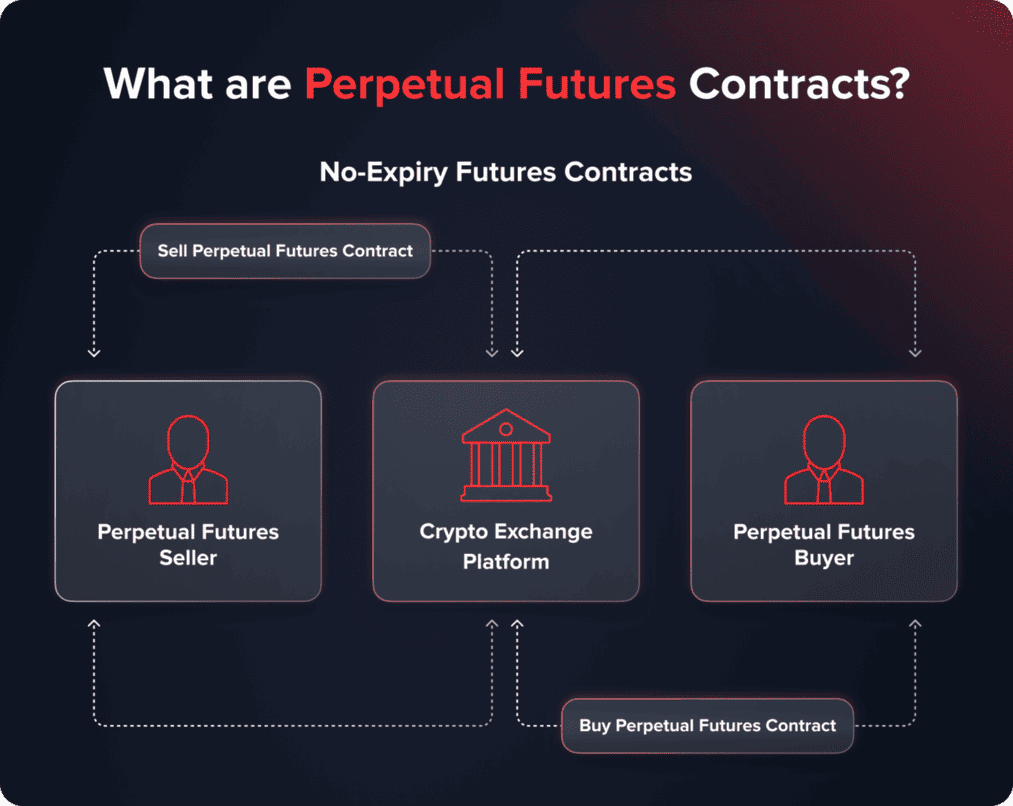
Perpetual means the contract does not have a fixed expiration date. Unlike a traditional futures contract, it does not settle on a specific future day. A trader can keep the position open as long as margin requirements are met, or close it whenever they choose.
How perpetual futures contract work. | Source: Quadcode
The position can be taken in either direction. A trader who expects the price to rise takes a long position. A trader who expects the price to fall takes a short position. Profit and loss change continuously as the market price moves.
How This Differs From Kalshi’s Current Markets
Kalshi’s existing markets are built around clearly defined events. Each contract is tied to a specific question with a fixed outcome. If the condition is met, the contract settles at one dollar. If it is not, it settles at zero. The structure is simple, time-bound, and based on whether an event occurs or not.
Crypto perpetual futures operate on a completely different model. There is no single question being resolved and no binary outcome. Instead of settling at a fixed value, the position remains open and its value changes continuously with the market price. There is also no set expiration time, so the trader decides when to enter and exit rather than waiting for a contract to resolve.
The key difference lies in how results are generated. In event markets, the outcome is determined at a specific moment based on a predefined condition. In perpetual futures, the outcome depends on how the price moves after the position is opened and how the trader manages that position over time.
This represents a structural shift for Kalshi. The platform moves from a model focused on discrete event resolution to one that supports continuous, directional trading based on market price movements.
Aspect
Current Kalshi Markets
Crypto Perpetual Futures
Core Structure
Event-based contracts tied to a specific question
Continuous price-based trading
Outcome Type
Binary (Yes/No)
Variable profit or loss
Settlement
Fixed payout ($1 or $0)
No fixed payout; depends on price movement
Time Horizon
Time-bound with defined expiry
No expiration; positions can remain open
Decision Focus
Predict whether an event will occur
Trade direction of price movement
Result Determination
Based on outcome at a specific moment
Based on price change over time
Position Management
Hold until resolution or exit early
Actively manage entry and exit at any time
Risk Structure
Limited to contract price
Includes leverage, margin, and liquidation risk
Trading Style
Probability-based
Directional and continuous
Platform Role
Event resolution marketplace
Derivatives trading platform
Core Terms You Need To Understand
Before placing any trade, it is important to become familiar with the basic terms used in perpetual futures. These concepts define how positions are opened, how risk is measured, and how profit or loss is generated.
Without a clear understanding of these terms, it becomes difficult to interpret what is happening in a trade or to manage it effectively.
These terms are:
Long position: A long position means buying because you expect the market price to rise. If the price goes up after you enter, the position gains value.
Short position: A short position means selling because you expect the market price to fall. If the price goes down after you enter, the position gains value.
Margin: Margin is the capital placed into the account to support a trade. It acts as collateral.
Leverage: It allows a trader to control a position that is larger than the amount of margin posted. If a trader uses five times leverage, one hundred dollars of margin controls a five hundred dollar position.
Liquidation: Liquidation happens when losses become too large relative to the margin supporting the trade. At that point, the platform closes the position automatically to prevent further losses.
Funding rate: It is a mechanism commonly used in perpetual futures markets to keep the contract price aligned with the underlying market. Kalshi may use some version of this, although exact implementation details may vary.
Step by Step: How Trading Is Expected To Work on Kalshi
Once crypto perpetual futures are introduced, trading on Kalshi is expected to follow the standard structure of a regulated derivatives platform. Instead of entering a yes or no event contract, users would open and manage positions based on the direction of a crypto asset’s price, using margin and, potentially, leverage.
The process would involve funding an account, selecting a market, choosing a position, monitoring price movement, and closing the trade when the desired outcome or risk limit is reached.
Scoop: Kalshi plans to launch crypto trading with perpetual futures, according to sources.
Perpetuals are the most popular type of crypto product, driving most volume on exchanges like Binance and Hyperliquid
The move signals Kalshi's ambition to compete directly with crypto…
The first step is opening a Kalshi account and completing identity verification. Because Kalshi operates in a regulated environment, account approval is expected to include standard compliance checks. Trading generally cannot begin until this process is complete.
At this stage, the trader should also review the platform’s rules, account terms, and product disclosures. This matters because crypto perpetual futures are much more complex than standard event contracts.
Step 2: Deposit Funds Into Your Account
Once the account is approved, funds must be deposited. These funds will serve as trading capital and margin.
A beginner should avoid depositing more than they can afford to lose. Even though perpetual futures can be used responsibly, they remain high-risk instruments. The deposited balance is not simply spending power. It is the capital that stands behind open positions and absorbs losses if trades move in the wrong direction.
Step 3: Choose the Perpetual Futures Market You Want To Trade
After funding the account, the trader selects a market. This may include instruments such as a Bitcoin perpetual futures contract or another crypto-linked perpetual market introduced by Kalshi.
At this point, it is important to look carefully at the contract details. The trader should understand what asset the contract tracks, how pricing works, whether there is a funding mechanism, what the margin requirements are, and what fees apply. Beginners often make mistakes by trading a product before fully understanding the contract terms.
Step 4: Study the Market Before Entering a Trade
Before placing any order, the trader should observe the market. This means reviewing the current price, recent direction, volatility, and general market conditions.
A beginner does not need to use advanced technical analysis. Even a basic assessment helps. Is the market rising steadily, falling sharply, or moving sideways with high volatility. Entering a leveraged trade without any market review is often equivalent to guessing.
This is also the point where the trader should decide why they are entering the trade. A position should have a reason, not just an impulse.
Step 5: Decide Whether To Go Long or Short
Once the market has been reviewed, the trader chooses a direction.
If the expectation is that the crypto price will rise, the trader opens a long position.
If the expectation is that the crypto price will fall, the trader opens a short position.
This decision is central because everything that follows depends on whether the market moves in the anticipated direction. A correct view with poor execution can still lose money, but a wrong directional view makes the trade fundamentally weak from the start.
Step 6: Choose Position Size Carefully
Position size is one of the most important decisions in the entire trade. It determines how much exposure the trader takes.
A beginner should start small. A common mistake is focusing only on possible profit while ignoring how quickly losses can accumulate. The larger the position, the more sensitive the account becomes to market movement.
A small position gives the trader room to observe how the product behaves in real market conditions without putting excessive capital at risk.
Step 7: Select Leverage With Caution
Leverage increases exposure beyond the actual amount of capital committed. This can make returns larger, but it also makes losses larger.
For new entrants, low leverage is generally the safer starting point. High leverage can make even minor price movement dangerous. A one or two percent move against a highly leveraged position can lead to large losses or liquidation.
The trader should understand that leverage does not improve judgment. It only magnifies the consequences of that judgment.
Step 8: Place the Order
Once direction, size, and leverage have been chosen, the order can be placed.
A market order executes immediately at the best available price. This is simple, but in fast-moving markets the actual execution price may differ slightly from the price displayed when the order was entered.
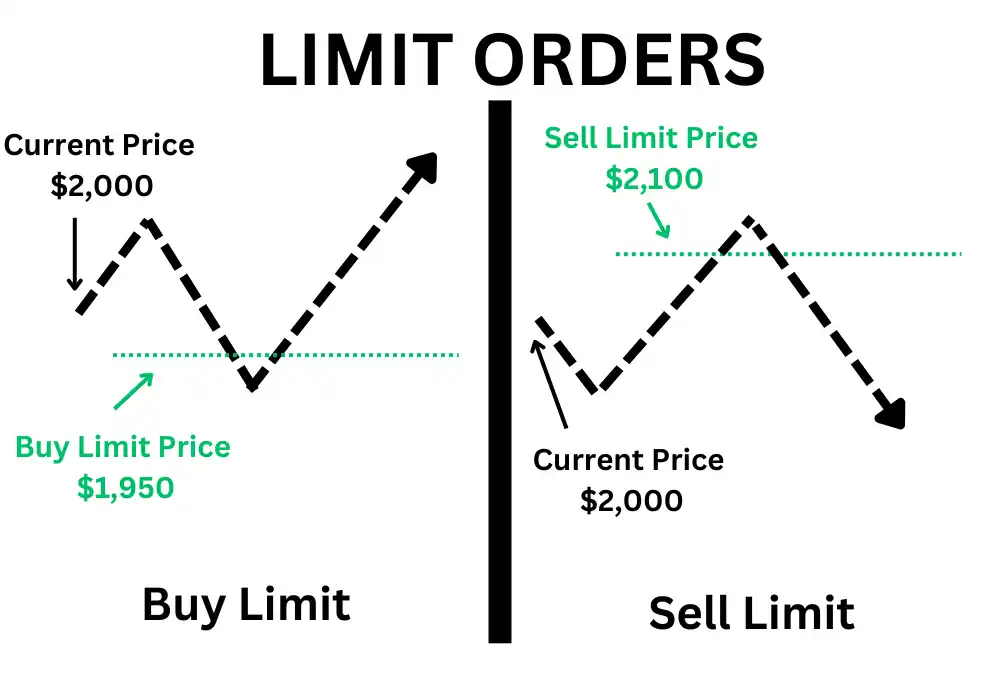
A limit order allows the trader to specify the price at which they are willing to enter. This gives more control, but the trade may not execute if the market never reaches that level.
At this stage, the trader should also confirm all inputs before submitting. Wrong position size, wrong direction, or wrong leverage are common execution mistakes.
Step 9: Monitor the Open Position
After the trade is live, it must be monitored. The trader should watch the current market price, unrealized profit or loss, margin level, and estimated liquidation level.
This step is important because perpetual futures are not static contracts. They move constantly. A trade that looks stable at entry can become risky very quickly if volatility increases.
Monitoring does not mean reacting emotionally to every small movement. It means staying aware of the condition of the position and whether it still matches the original trade idea.
Step 10: Manage Risk While the Trade Is Open
A responsible trader does not just open a position and hope for the best. Risk should be managed actively.
This may include deciding in advance where to exit if the trade goes wrong, where to take profit if it goes right, and whether the trade should be reduced if volatility becomes too high.
The trader should know the maximum acceptable loss before the trade is opened. Waiting until emotions are high usually leads to poor decisions.
Step 11: Close the Position
The position can be closed whenever the trader chooses by placing an offsetting trade. If the trader is long, closing involves selling. If the trader is short, closing involves buying.
Closing the trade converts unrealized profit or loss into a final result. Once the position is closed, the risk from that trade ends.
A beginner should remember that a trade does not need to stay open indefinitely simply because the contract is perpetual. The contract has no expiry, but the trader’s plan should still include an exit.
Step 12: Review the Trade Afterward
After closing the trade, the final step is reviewing what happened. The trader should ask whether the entry was justified, whether the position size was appropriate, whether leverage was too high, and whether the exit was handled well.
This step is often ignored, but it is one of the best ways to improve. Beginners learn much faster when they review their trades instead of moving immediately to the next one.
How Profit and Loss Work
In perpetual futures trading, profit and loss are determined by how the market price moves relative to the price at which a position was opened. The result is influenced not only by the price difference between entry and exit, but also by the size of the position and the amount of leverage used.
When a trader opens a position, they are effectively committing to a directional view. If the market moves in that direction, the position gains value. If it moves in the opposite direction, the position loses value. The magnitude of this gain or loss depends on how far the price moves and how large the position is.
For example, if a trader goes long on Bitcoin at $60,000 and closes the position at $61,000, the trade is profitable because the price increased after entry. The gain is based on that $1,000 price difference, scaled to the size of the position. If the trader had taken a short position instead, the same upward movement would result in a loss.
Leverage plays a significant role in shaping outcomes. By increasing the effective size of a position, leverage amplifies both profits and losses. A relatively small percentage move in the market can translate into a much larger percentage change in the trader’s capital. This is why even modest price fluctuations can have a meaningful impact on the account balance.
It is also important to distinguish between unrealized and realized profit or loss. While a position remains open, gains or losses are unrealized and continue to change as the market moves. Once the position is closed, the result becomes realized and is reflected in the account balance.
This structure makes leveraged trading feel efficient when the market moves in the expected direction, as returns can accumulate quickly. However, the same mechanism increases downside risk. If the market moves against the position, losses can grow just as quickly, especially when higher leverage is used.
Key Risks Beginners Should Understand
In crypto perpetual futures trading, risk does not come from just one source. It builds from how the market behaves, how the trade is structured, and how the trader reacts under pressure.
One of the most noticeable risks is how quickly prices can move. Crypto markets are highly volatile, which means prices can change sharply in a very short time. Because of this, a position can lose value much faster than a beginner might expect, especially during sudden market swings.
Another factor that increases risk is leverage. While it allows a trader to control a larger position with a smaller amount of capital, it also magnifies losses. A relatively small move in the wrong direction can have a much larger impact on the account than anticipated.
There is also the risk of liquidation. When losses grow too large relative to the margin supporting a position, the system closes the trade automatically. This happens without the trader actively choosing to exit, and it can result in the loss of the capital allocated to that position.
Some risks come from execution rather than the market itself. Entering a trade too late, choosing a position size that is too large, or placing the wrong order type can all negatively affect the outcome, even if the initial market view was correct.
Finally, trading decisions are often influenced by emotions. Fear, greed, and impatience can lead to inconsistent or impulsive actions. Over time, this tends to have a greater negative impact than errors in analysis, as it undermines discipline and risk control.
Despite the above risks, he product can be useful only if approached with clarity and restraint. The most important steps are understanding the contract, controlling position size, using leverage conservatively, monitoring risk, and knowing when to exit. A perpetual contract does not require permanent participation. It only requires disciplined decisions from entry to exit.
Disclaimer:
The information provided in this article is for informational purposes only. It is not intended to be, nor should it be construed as, financial advice. We do not make any warranties regarding the completeness, reliability, or accuracy of this information. All investments involve risk, and past performance does not guarantee future results. We recommend consulting a financial advisor before making any investment decisions.
Onkar Singh has three years of experience as a digital finance content creator. Throughout his career, he has collaborated with various DeFi projects and crypto media outlets. In his leisure time, he enjoys fitness activities at the gym and watching movies across different genres. Balancing his professional and personal interests, Onkar continues to contribute to the digital finance landscape while pursuing his hobbies.


 Easy
Easy