Key Takeaways
- Charles Hoskinson has spoken out about Cardano’s governance challenges.
- In 2026, he expects progress on governance to translate into ecosystem growth.
- Compared to its peers, decentralized finance is underdeveloped on Cardano.
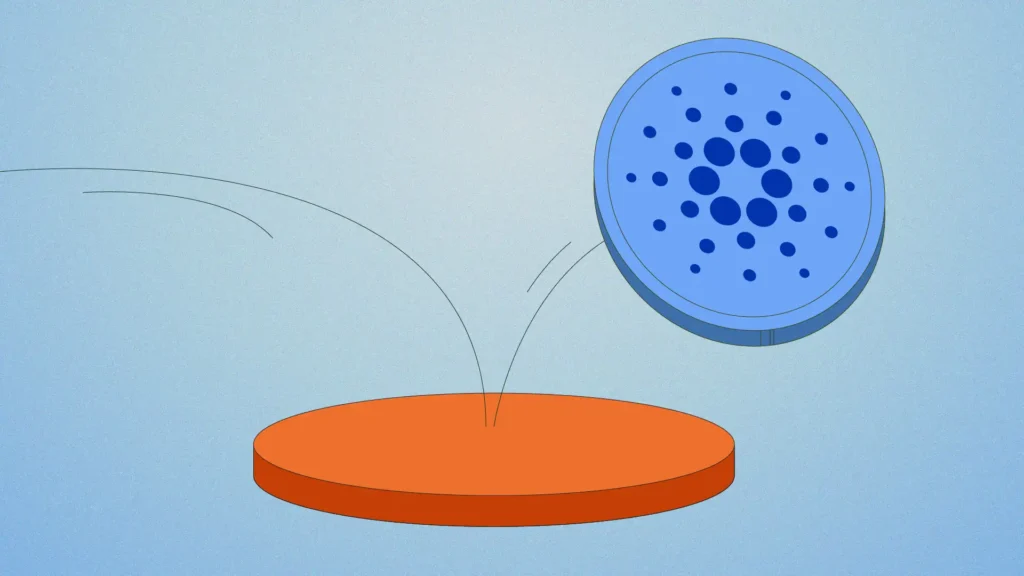
Despite being one of the first post-Ethereum smart contract chains to go live in 2018, when it comes to adoption, Cardano lags behind many of its peers.
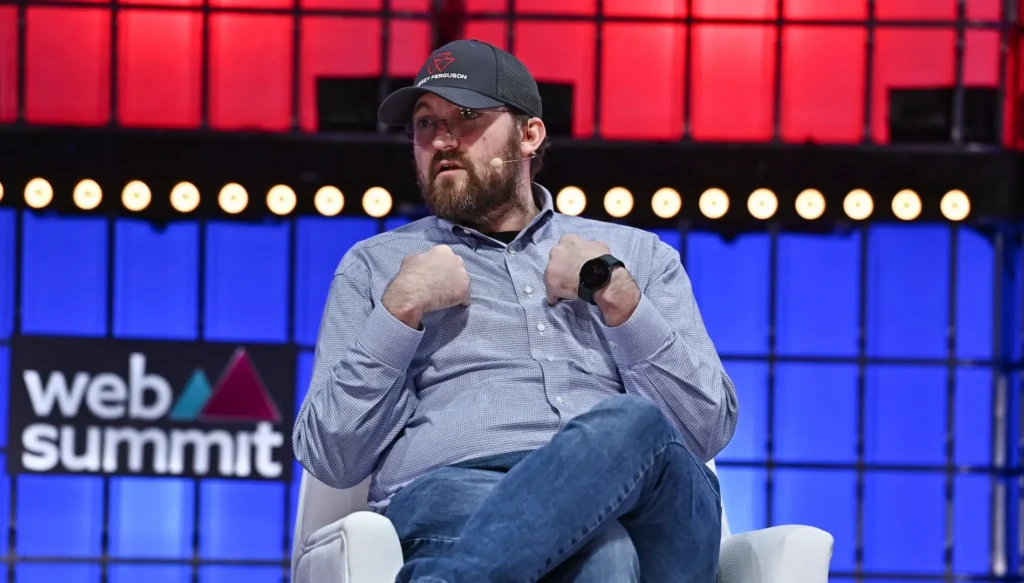
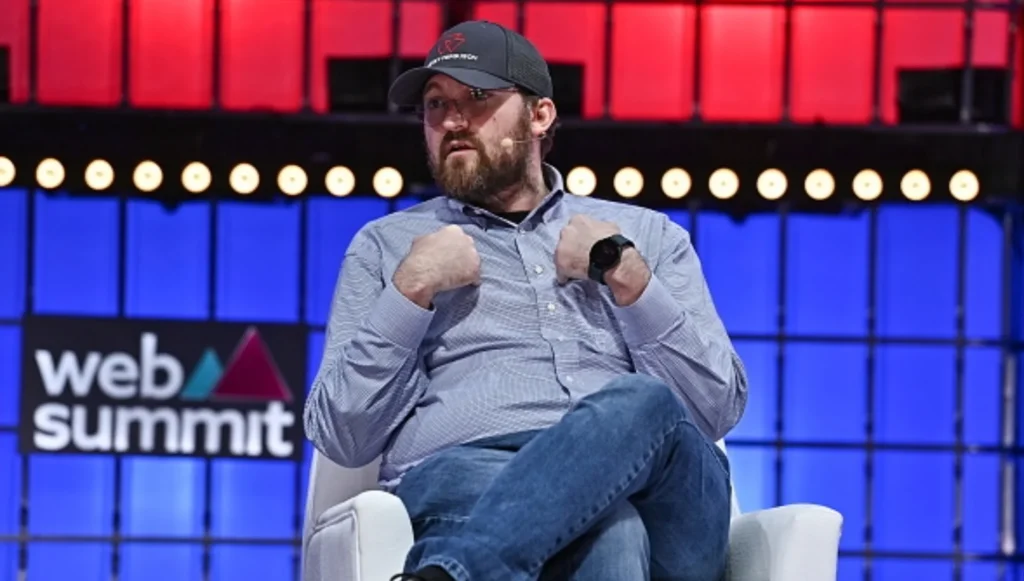
During a live stream on Monday, Dec. 1, founder Charles Hoskinson acknowledged that power struggles within the ecosystem have hindered progress.
But as Cardano overcomes its governance challenges, Hoskinson expects growth to accelerate in 2026.
Evolving Cardano Governance
In its early years, Hoskinson’s company, Input Output (IO), maintained a tight grip on Cardano development.
Among Cardano’s three founding entities, IO held three genesis keys, while Emurgo and the Cardano Foundation held two each.
With five signatures required to implement protocol changes and manage ADA reserves, IO always had the deciding vote.
In November 2024, Cardano implemented CIP-1694, burning the genesis keys and transitioning toward a more decentralized governance structure.
“The purpose of [CIP-1694] was to create a situation where the Cardano community is in the driver’s seat about where Cardano goes,” Hoskinson stated, likening the new governance structures to the legislative and judicial branches of government.
However, when it comes to implementing the community’s will, Cardano still needs an executive branch, he added.
Friction Between Stakeholders
Describing a “Pentad” executive structure consisting of IO, Emurgo, the Cardano Foundation, the Midnight Foundation, and Intersect, Hoskinson alluded to ongoing friction between stakeholders.
“We’re divided [and] we’re going to end up with a damn mess” unless members of the Pentad can coordinate their efforts better, he warned.
“For this to work, we have to figure out a governance structure, and we have to figure out a culture between these five entities where we’re all one team,” he added.
Only with “a working executive function” can the Cardano ecosystem focus on growth, Hoskinson emphasized.
Now, more than a year after CIP-1694 instigated the Chang hard fork, the time for growth has arrived, he said.
Enabling DeFi Growth
Fundamental aspects of Cardano’s design make cross-chain interoperability a challenge.
Due to its UTXO-based accounting model, Cardano isn’t supported by frameworks like Wormhole, LayerZero, and Chainlink, while the work of building custom bridges is slow and laborious.
Without interoperability, Cardano is missing crucial pieces of the Decentralized Finance (DeFi) puzzle, including mainstream stablecoins and oracles.
As Hoskinson put it, “we’re missing the commercially critical infrastructure [and] integrations. We’re basically an island.”
To help foster DeFi growth, Pentad members recently submitted a proposal to allocate 70 million ADA to establish a “strategic integration fund” tasked with onboarding key enablers.
Priorities include bridges, analytics platforms, wallet infrastructure, and “tier-one stablecoins,” the proposal said.
Beyond infrastructure, Hoskinson also stressed the importance of supporting “underfunded, understaffed” builders.
Compared to its peers, the platform doesn’t currently have any well-known applications that make it stand out.
Eight years after its mainnet launch, Cardano is running out of time to prove its relevance. If it doesn’t deliver in 2026, it will only fall further behind.
Top Trending Crypto Articles

James Morales is CCN’s blockchain and crypto policy reporter. He has been working in the news media since 2020, writing about topics such as payments, banking and financial technology. These days, he likes to explore the latest blockchain innovations and the evolving landscape of global crypto regulation.
With an educational background in social anthropology and media studies, James uses his platform as a journalist to explore how new technologies work, why they matter and how they might shape our future.