Key Takeaways
- Amid rising on-chain activity, Etherscan has cut free API access.
- Avalanche, Base, BNB, and OP are no longer supported.
- Alternative explorers have expanded their own free offerings in response.
As block explorers struggle to keep up with rising on-chain activity, one of the oldest in the game—Etherscan—has been forced to curtail free access.
After the Ethereum Virtual Machine (EVM) explorer suspended free access to Avalanche, Base, BNB, and OP, as well as their respective testnets, alternatives have stepped up to fill the void left by Etherscan.
The Hidden Infrastructure Behind a Simple Search Box
From a user’s perspective, a block explorer is just a search box and a neat table of transactions.
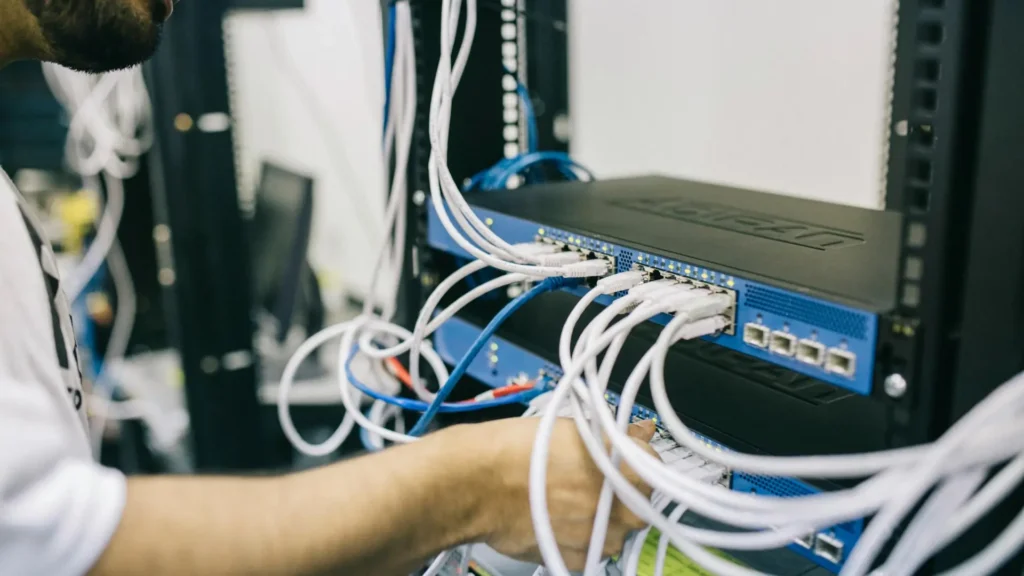
However, under the hood, platforms like Etherscan process data at an industrial scale.
For Ethereum, running a full node requires a powerful CPU, at least 16 GB of RAM, and up to 12 TB of storage space.
Given that explorers usually run multiple nodes on each network, processing millions of API calls for the 68 EVM chains supported by Etherescan requires heavyweight hardware and infrastructure.
Emphasizing “significantly increased block speeds, TPS, and overall transaction volume,” the company said: “Continuing to offer free API access across all supported chains had begun to impact overall service quality.”
To ensure continued reliability for Ethereum mainnet and other networks, Etherscan made the “difficult decision” to move certain chains behind a paywall, with plans starting from $49 per month.
Only API access is affected. Basic searches will still be possible via the web interface.
Calls for Alternative Funding
While many block explorers have grassroots origins, paid tiers had become widespread long before Etherscan cut back its services.
Across all chains, the platform limits free users to three API calls per second or 100,000 per day.
Under this model, the most demanding users helped subsidize access for everyone else. However, even that proved unsustainable.
In the wake of Etherscan’s announcement, some users have called on the organizations that build and maintain the affected Layer 1 and Layer 2 blockchains to step up their efforts.
As one developer argued on X, companies like Coinbase and Binance “should be more than capable” of covering the expenses “needed to provide their ecosystems with a much-needed service like this.”
Alternatives to Etherscan API
Following Etherscan’s announcement, several alternative explorers have introduced or expanded their own free APIs.
On Friday, Nov. 28, Routescan announced that it had enhanced its free tier, increasing the API limit to 5 calls per second or 100,000 per day.
The platform, which already supports OP Mainnet and Base in its free plan, also intends to add Avalanche.
Routescan is especially attractive to those familiar with Etherscan, as it has structured its API format similarly to smooth the path of migration.
Meanwhile, BSCTrace plans to introduce free APIs for BNB, “expanding its role from a simple backup explorer to a stronger alternative,” its developers said on Friday.
Recommended Secure Partners

James Morales is CCN’s blockchain and crypto policy reporter. He has been working in the news media since 2020, writing about topics such as payments, banking and financial technology. These days, he likes to explore the latest blockchain innovations and the evolving landscape of global crypto regulation.
With an educational background in social anthropology and media studies, James uses his platform as a journalist to explore how new technologies work, why they matter and how they might shape our future.