Key Takeaways
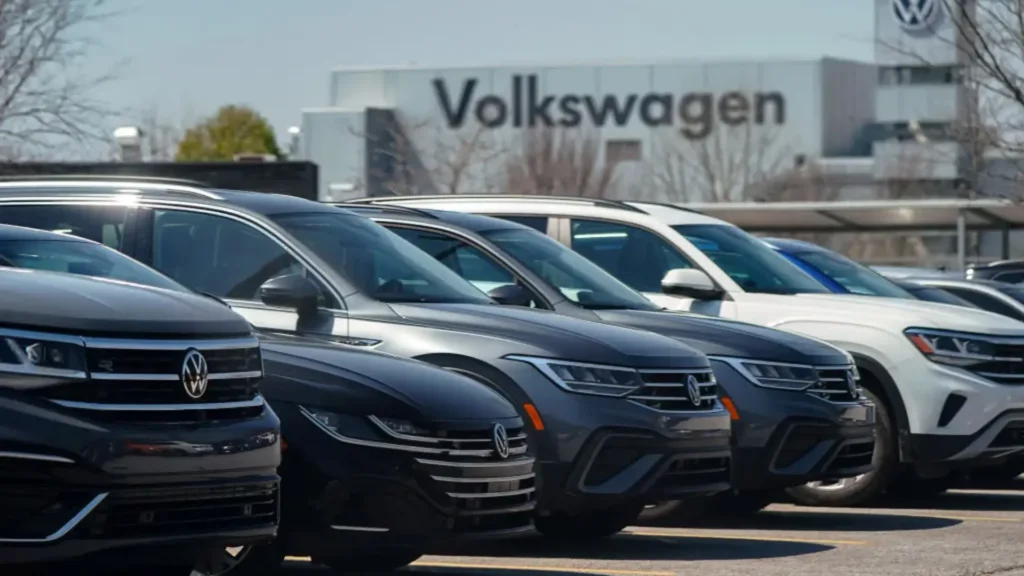
- Volkswagen Group Singapore has enabled crypto payments for cars and services thanks to a partnership with FOMO Pay.
- VGS highlighted that digital-native consumers increasingly expect speed, convenience, and payment choices.
- The German firm is not the only automaker that accepts crypto for its vehicles.
As crypto becomes more integrated into everyday spending, automakers are starting to test how digital assets can fit into the car-buying process.
In Singapore, Volkswagen Group has jumped on the trend, allowing customers to pay for vehicles and services using crypto.
Volkswagen Singapore Rolls Out Digital Currency Payments
Volkswagen Group Singapore (VGS) will now accept cryptocurrency payments for both vehicle purchases and aftersales services, thanks to a new partnership with local payments provider FOMO Pay.
Customers can pay using Bitcoin (BTC), Ethereum (ETH), and stablecoins such as USDT and USDC, with daily transaction limits capped at SGD 4,500 and a total cap of SGD 13,500.
The initiative comes as crypto adoption continues to rise in Singapore, where nearly one in four residents already own digital assets.
By adding digital payment token (DPT) options, VGS hopes to expand consumer choice, speed up settlements, and underscore its push toward more technology-driven services.
“An increasing number of consumers today are digital natives. They expect speed and convenience across all touchpoints, including how they pay,” said Kurt Leitner, Managing Director of VGS.
FOMO Pay Backs Infrastructure as Singapore Pushes Smart Nation Vision
Payments provider FOMO Pay will supply the back-end infrastructure, processing crypto transactions securely and converting them at real-time exchange rates.
The system will cover partial payments for new cars and routine service bills.
FOMO Pay said the collaboration reflects Singapore’s progress toward a digital economy.
“Digital assets will continue to play an important role in improving customer experience,” noted Rose Wang, the company’s head of digital payments.
The rollout mirrors Singapore’s broader ambition to establish itself as a hub for financial innovation.
For VGS, it marks a step in modernizing its payment systems and keeping pace with global trends in mobility and commerce.
Other Automakers Accepting Crypto
Volkswagen isn’t the only automaker opening its doors to cryptocurrency payments—luxury brands have been leading the charge.
Ferrari stands out as one of the earliest adopters, accepting Bitcoin, Ethereum, and USDC in the U.S. since 2023, later expanding the option to Europe through a partnership with BitPay.
Tesla also experimented with Bitcoin in 2021, but the program was suspended after just 49 days over environmental concerns and has yet to resume.
Luxury dealerships and marketplaces have been quicker to embrace crypto.
In the U.S., groups like Bob Moore Auto Dealers now take multiple cryptocurrencies across their brands.
High-end dealers such as Lamborghini Newport Beach and Post Oak Motor Cars in Texas accept digital assets for supercars, while platforms like BitCars and Crypto Emporium let customers buy Mercedes, Rolls-Royce, Lamborghini, and other luxury vehicles directly with crypto.
The trend has spread globally as well. Ferris Cars in South Africa sells Ferraris for Bitcoin, Litecoin, and Tether, and in California, former MLB player C.J.
Wilson’s dealership accepts crypto for Porsche, BMW, Audi, and Lamborghini models.
Top Trending Crypto Articles

Giuseppe Ciccomascolo began his career as an investigative journalist in Italy, where he contributed to both local and national newspapers, focusing on various financial sectors.
Upon relocating to London, he worked as an analyst for Fitch's CapitalStructure and later as a Senior Reporter for Alliance News. In 2017, Giuseppe transitioned to covering cryptocurrency-related news, producing documentaries and articles on Bitcoin and other emerging digital currencies. He also played a pivotal role in establishing the academy for a cryptocurrency exchange website. Crypto remained his primary area of interest throughout his tenure as a writer for ThirdFloor.