Key Takeaways
- BVNK says stablecoins are shifting into “everyday money,” citing a recent YouGov survey.
- Total stablecoin market cap is about $307.9 billion, led by USDT, according to DefiLlama.
- Artemis reports Deel used BVNK to pay over 10,000 freelancers in 100 countries in stablecoins.
Stablecoins are increasingly being used for savings and payments as total supply sits near $300 billion, according to a new study led by payments firm BVNK with partners Coinbase and Artemis.
BVNK’s Stablecoin Utility Report 2026 is based on a YouGov survey of 4,658 adults across 15 countries.
The report argues that stablecoins are shifting from a crypto trading tool into a more practical financial instrument.
Market Size Sets the Backdrop
Stablecoins are designed to hold a stable value, typically by tracking the U.S. dollar.
They are widely used as the settlement asset for crypto trading and DeFi.
DefiLlama estimates the total stablecoin market cap at about $307.9 billion, with USDT as the largest stablecoin by supply.
BVNK argues part of that supply is now being used for payments rather than sitting primarily on exchanges.
Study Findings: Stablecoins Move Beyond Trading
BVNK says stablecoin usage is rising as a routine financial tool.
The report says 56% of respondents plan to acquire more stablecoins over the next year and 13% of non-owners plan to start.
It also says many current holders increased their balances in the past year.
The study also suggests stablecoins are taking a larger share of personal finances.
Respondents who hold stablecoins said they allocate roughly one-third of total savings to crypto and stablecoins combined, with higher allocations reported in lower- and middle-income markets.
Payroll and Cross-Border Work Are a Key Driver
The report’s strongest “everyday money” claim is on income.
Artemis’ stablecoin payments report cites Deel using BVNK to pay more than 10,000 freelancers in over a 100 countries in stablecoins, an example of stablecoins being used for settlement rather than trading.
BVNK also says freelancers, gig workers, and marketplace sellers who receive stablecoin payments report that stablecoins account for a meaningful share of annual earnings on average, and many say it improves their ability to work with international clients.
That use case is straightforward: stablecoins can be received quickly, held in dollars, and converted locally when needed.
For many users, the main competition is not Bitcoin or Ethereum.
It is the cost and friction of legacy remittance and cross-border payment services.
Spending Still Lags: UX and Consumer Protection Gaps
BVNK says stablecoins are being spent or converted to local currency, not just held.
But it flags major barriers to wider use, including too many steps, chain confusion, and irreversible mistakes that can lead to lost funds.
The report says users want clearer fees and stronger protections.
This suggests growth depends more on better wallets and payment apps than new stablecoin issuers.
Policy Watch: U.S. Rules Could Shape the Next Phase
The findings also land as stablecoins become a larger policy focus.
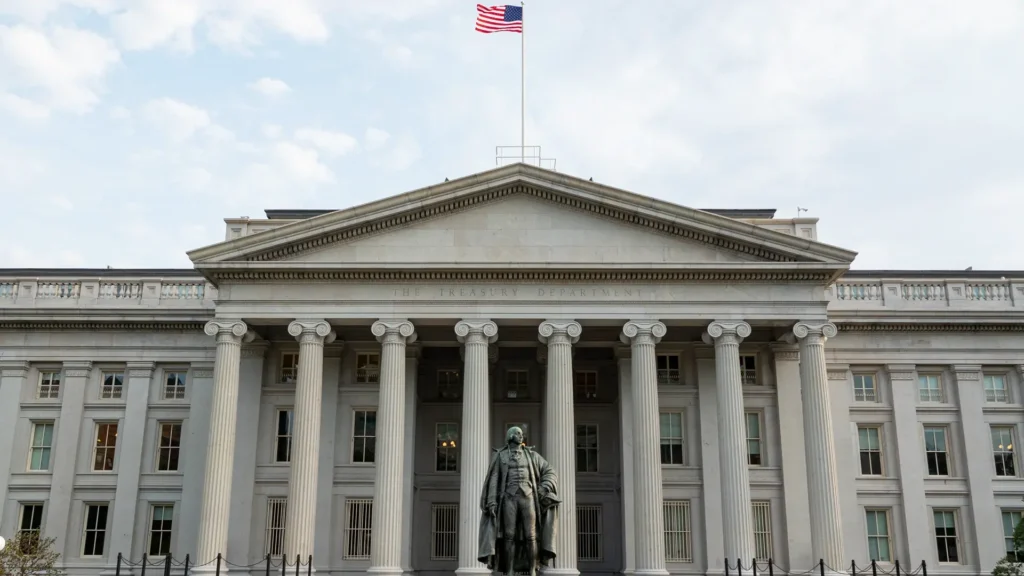
In the U.S., the White House said President Donald Trump signed the GENIUS Act into law in July 2025, framing it as a federal framework for payment stablecoins.
Supporters argue clearer rules could encourage integrations by mainstream firms.
Critics warn that stablecoin growth concentrates dollar exposure and could raise consumer protection and financial stability concerns.
The next question is whether stablecoin payments can become simple and safe enough for everyday users.
If the UX improves and distribution expands through payroll and commerce channels, stablecoins may look less like a crypto product and more like a digital cash layer.
It also says many current holders increased their balances in the past year.
Because the findings are survey-based, the numbers reflect self-reported behavior rather than on-chain measurement.
Still, the pattern matches what stablecoin firms and payment providers have been pushing: stablecoins as a dollar rail for users who face currency volatility or costly cross-border transfers.
Top Trending Crypto Articles

PhD, researcher and writer exploring AI, blockchain, and the philosophy of tech, with a focus on DeScAI, governance, and trust.