Key Takeaways
- Bitcoin’s hashrate drop has sparked debate.
- A prominent investor claims big Bitcoin miners are leaving the industry.
- Structural pressure on mining economics is increasing.
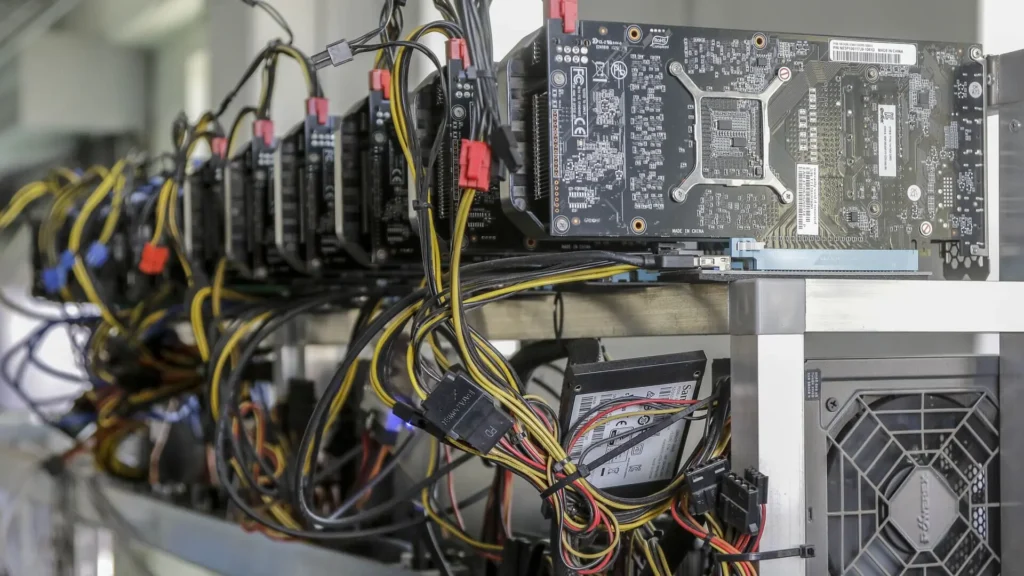
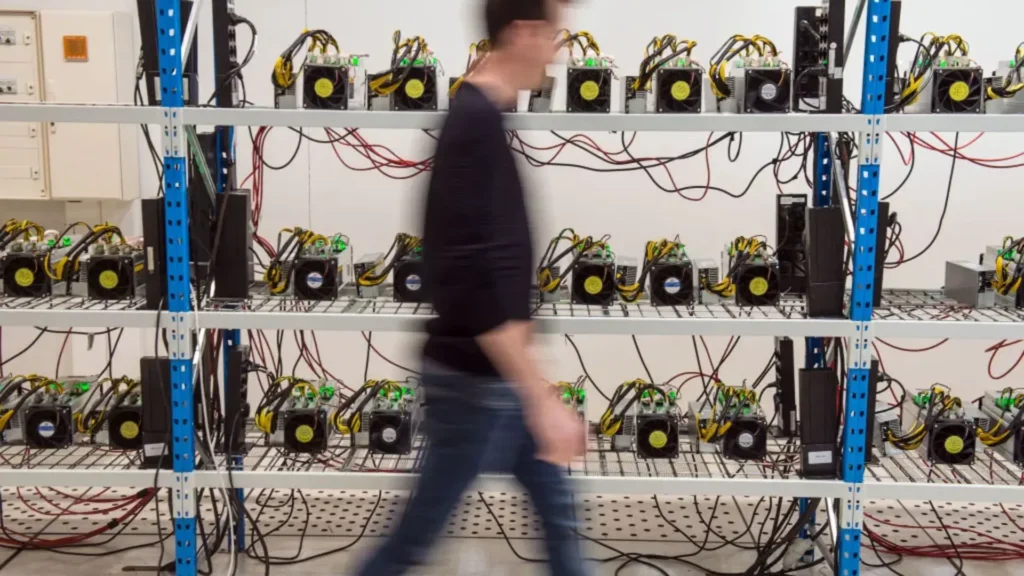
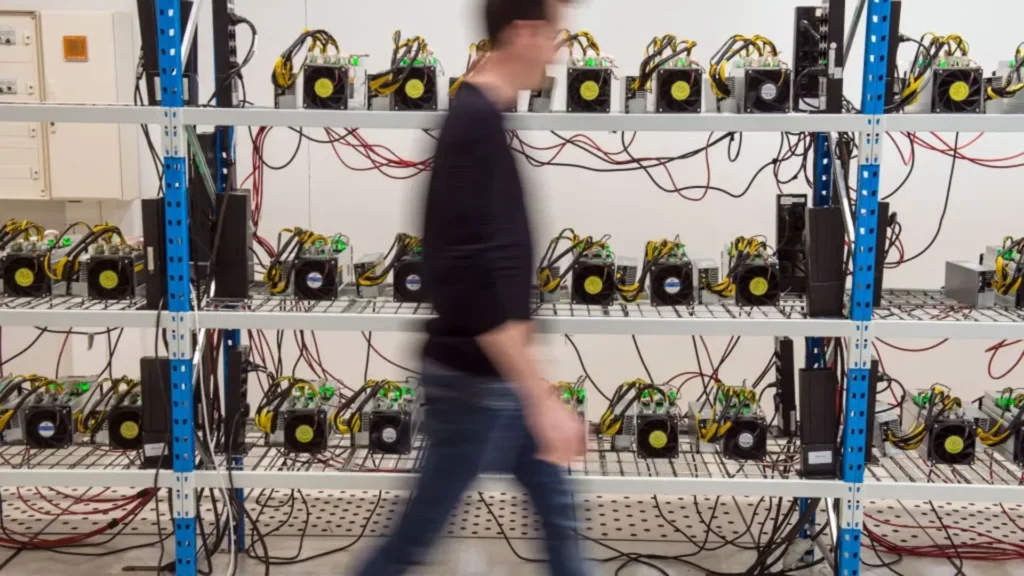
A sharp drop in Bitcoin’s (BTC) computing power has reignited debate over whether large mining firms are exiting the crypto business.
Industry figures are divided on whether this move signals financial distress, strategic repositioning, or the after-effects of a recent U.S. storm.
Bitcoin’s hashrate — a measure of the total computational power securing the network — has fallen sharply from recent record highs, prompting warnings from some high-profile investors.
Investor Flags “Biggest Miner Capitulation Since 2021”
Charles Edwards, founder and investor, said in a post on X that Bitcoin’s hashrate had fallen around 40% from its all-time high, calling it the most severe miner capitulation in several years.
“No one is talking about Bitcoin’s hashrate collapsing –40% from ATH,” he wrote on X.
“The biggest miner capitulation since 2021. Yikes,” Edwards added.
“Energy value falling in turn. Very certainly means some big miners are pivoting out of crypto.”
His comments sparked immediate pushback from other market participants, who disputed the idea that miners were abandoning the network.
Crypto analyst IncomeSharks responded that the hashrate decline reflected broader energy market dynamics rather than a loss of confidence in Bitcoin.
“It means the price of electricity is going up, there’s a big energy war,” IncomeSharks wrote.
“This is bullish for the large crypto miners to take advantage of mining more Bitcoin.”
Bitcoin Critics Pile in on Miners
Jacob King, a frequent Bitcoin critic, raised concerns about miner stress, noting that the network shows signs of mounting strain.
In a series of posts on X, King said Bitcoin had experienced what he described as the largest short-term hashrate decline on record, warning that miners could be forced to sell Bitcoin to remain solvent.
“We’re watching the Bitcoin network unravel in real time. Nearly every metric is contracting,” King wrote.
King said Bitcoin’s hashrate had fallen from around 1.13 zettahashes per second (ZH/s) to roughly 690 exahashes per second (EH/s) over a two-day period.
“Large numbers of miners have powered down their machines,” he wrote, adding that falling prices and largely fixed operating costs could accelerate selling pressure.
“With prices falling and operating costs fixed, many will be forced to sell BTC to stay solvent, accelerating the downward spiral,” King said.
Critics pushed back on those claims, arguing that temporary hashrate declines have historically occurred during periods of rising electricity prices and seasonal power demand.
Tiger Research Highlights Bitcoin Miners Pressure
Separate analysis from Tiger Research suggests that while miners may not be abandoning crypto entirely, the economics of the business are becoming increasingly strained.
In a recent report, Tiger Research said Bitcoin mining companies face a “double squeeze,” with revenues tied directly to volatile Bitcoin prices while costs such as electricity and hardware replacement continue to rise.
According to the report, the average cost to mine one Bitcoin has climbed to approximately $74,600, up nearly 30% from a year earlier.
Depreciation and stock-based compensation drive total production costs up to roughly $130,000 per Bitcoin.
Tiger Research noted that these pressures have pushed many mining firms to repurpose infrastructure toward AI data center leasing.
“These moves reflect a broader trend,” the report said.
“As mining profitability weakens, mining companies are seeking business models better aligned with the AI era.”
The shift, Tiger Research added, may ultimately reduce forced Bitcoin selling by stabilizing cash flows.
“Less competitive players exit or pivot, reducing excess mining pressure,” the report said.
“At the same time, leading firms are evolving beyond simple mining into diversified DAT businesses.”
U.S. Winter Storm
Bitcoin’s hashrate was at least partially impacted by a powerful winter storm sweeping across parts of the U.S.
Winter Storm Fernan brought heavy snow and ice, placing strain on regional power grids and prompting several large U.S.-based mining operations to temporarily curtail activity.
Foundry USA, one of the world’s largest Bitcoin mining pools, saw its hashrate fall by around 60% at the height of the storm.
At its lowest point, the pool accounted for roughly 23% of total global Bitcoin hashrate, according to industry estimates.

Kurt Robson is a London-based reporter at CCN, specialising in the fast-moving worlds of crypto and emerging technology. He began his career covering local news in Cornwall after graduating from Falmouth University with First Class Honours in Journalism. There, he cut his teeth on everything from council meetings to missing swans.
He quickly rose through the ranks to become a frontline journalist at several of the UK’s leading national newspapers. Over the years, he has interviewed musicians and celebrities, reported from courtrooms and crime scenes, and secured multiple front-page exclusives.
Following the upheaval of the COVID-19 pandemic, Kurt shifted his focus to technology journalism—just ahead of the AI boom. With a natural curiosity and a trained eye for emerging trends, he has found a new rhythm in reporting on innovation.
At CCN, Kurt's work focuses on the cutting edge of crypto, blockchain, AI, and the evolving digital world. Drawing on his background in people-first reporting and his deep interest in disruptive tech, Kurt delivers stories that are insightful, entertaining, and human-centric.