Key Takeaways
- A7A5 is a ruble-pegged stablecoin targeted by a growing range of sanctions.
- Western authorities have tied the stablecoin to the sanctioned Russian crypto exchange, Garantex.
- Garantex is accused of operating as a money laundering service for darknet markets.
A7A5 is a ruble-pegged stablecoin associated with the sanctioned Russian cryptocurrency exchange, Garantex.
According to Western authorities, Garantex functions as a money laundering facility for Russian darknet market vendors, who use A7A5 to avoid scrutiny and bypass international sanctions.
Garantex Turns to Stablecoins Post-Crackdown
Garantax was first sanctioned by the U.S. Treasury Department’s Office of Foreign Assets Control (OFAC) in 2022.
The government accused the platform of facilitating illicit transactions and tied it to Hydra Market, the world’s largest darknet marketplace at the time, which was also based in Russia.
In March 2025, Garantex was finally shut down by a coordinated international law enforcement operation, which seized its domains and froze over $26 million in crypto assets.
However, Garantex’s leaders, several of whom are wanted in the U.S. on money laundering charges, simply set up a new exchange to replace the old one.
The new platform, Grinex, turned to A7A5 as a tactical replacement for frozen funds. Users were credited with the equivalent of balances held on the old exchange, placing A7A5 at the heart of Russia’s dark crypto economy.
Closing the Sanctions Net
In a bid to shut down A7A5, OFAC has moved to sanction the network of Russian and Kyrgyzstani entities behind the stablecoin.
According to the Treasury Department, the Kyrgyzstani firm that issues A7A5 and several key partners are controlled by Promsvyazbank and the Moldovan oligarch, Ilan Mironovich Shor.
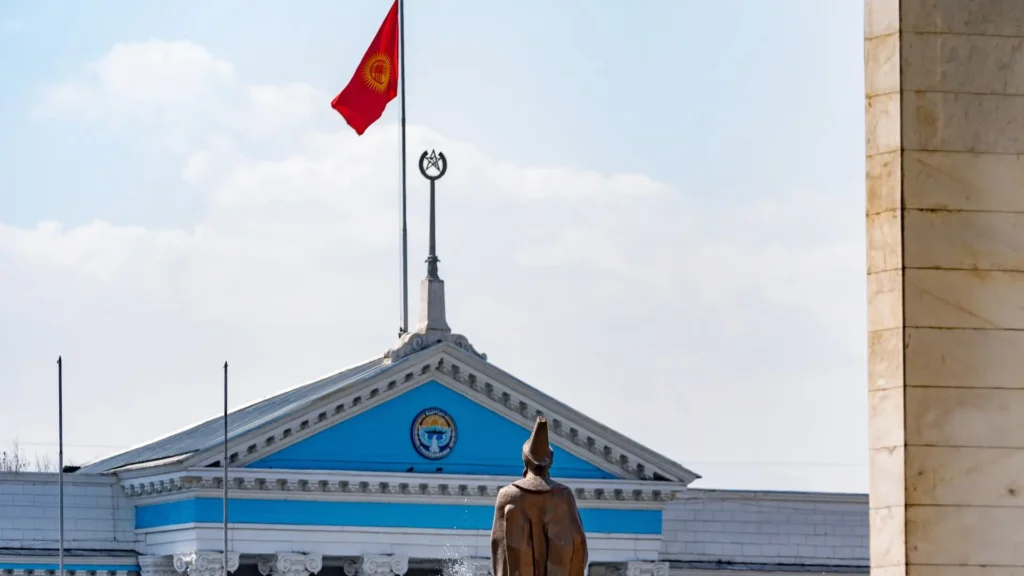
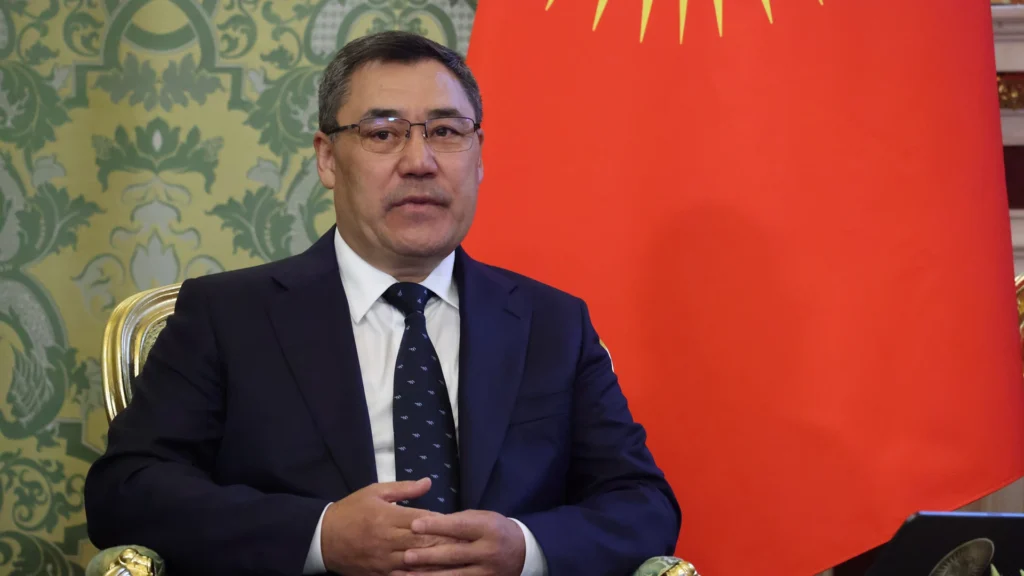
While Promsvyazbank and Shor were already on OFAC’s sanctions list, in August, the U.S. and the U.K., extended sanctions to Kyrgyzstan-based Capital Bank, prompting a public objection from President Sadyr Japarov.
Meanwhile, the EU is reportedly preparing to adopt a more novel approach—sanctioning A7A5 itself. According to documents cited by Bloomberg, any entity based in the EU will be barred from directly or indirectly transacting with the stablecoin.
The restrictions will prohibit any engagement, directly or indirectly, by EU-based entities in transactions involving the token. The bloc is also set to target several banks in Russia, Belarus and Central Asia for enabling crypto-related transactions, the documents indicate.
Additional sanctions may be unable to shut down Russia’s stablecoin, however.
Almost entirely cut off from the global financial system, sanctioned Russian banks have turned to regional neighbors in China and central Asia.
As demonstrated by Garantex and A7A5, the same strategy can work for crypto, where OFAC sanctions carry less weight and huge volumes of dark or grey money are readily available to provide liquidity.
Top Trending Crypto Articles

James Morales is CCN’s blockchain and crypto policy reporter. He has been working in the news media since 2020, writing about topics such as payments, banking and financial technology. These days, he likes to explore the latest blockchain innovations and the evolving landscape of global crypto regulation.
With an educational background in social anthropology and media studies, James uses his platform as a journalist to explore how new technologies work, why they matter and how they might shape our future.