Key Takeaways
- Traditional athlete deals trade short-term paydays for long-term potential.
- Today’s opportunity lies in building equity, not just exposure.
- Blockchain and digital communities enable athletes to create, own, and grow their own platforms.
I’ve won an NBA championship. I’ve signed multimillion-dollar contracts. I’ve been fortunate to work with incredible brands throughout my career, doing the major endorsement deals, wearing the shoes, and building partnerships that have shaped my career.
This success was fulfilling, but it also revealed a pattern. I saw that I was building a strong resume, but not necessarily lasting assets. I was accumulating exposure, but not true ownership. That’s when I knew my approach had to evolve.
The traditional athlete playbook has its limits. We’re conditioned to maximise our short earning window and secure endorsements. But that model has a ceiling. Today, we have the tools to rewrite the rules and build for the long term.
The Endorsement Ceiling
I’ve been fortunate to work with incredible brands. These partnerships provide a powerful platform and significant short-term financial gains.
For decades, this has been the playbook: lend your influence and in return, receive a substantial fee. It’s a straightforward transaction.
But I began to see the limitations of this model. What you gain in immediate liquidity, you often forgo in long-term equity. The check clears, but you haven’t built an asset that grows. You’ve been paid for your platform, but you don’t own a piece of the future value you helped create.
Consider the timeline. The average NFL career is about 3.3 years, and the NBA average is roughly 4.5 years – a short earning window for a very long retirement.
Studies find that about 15.7% of NFL players file for bankruptcy within 12 years of retirement, and about 6.1% of NBA players file within 15 years (NBA filers do so a median ~7.3 years after retiring). Either way, the broader point stands: relying on a brief income spike to fund a decades-long retirement is risky unless players also secure longer-lasting stakes.
Ownership Is the New Royalty
Athletes across the sports world are waking up to a powerful truth: a small piece of equity is worth more than a giant pile of exposure.
Look at Spencer Dinwiddie, who tokenised his NBA contract back in 2020. He created a digital asset tied to his own performance, giving fans a direct stake in his success. He proved a vital point: we can create our own financial instruments.
This mindset goes beyond crypto. LeBron James didn’t just sign a flashy sneaker deal; he negotiated for equity and built a media empire. Serena Williams is a powerhouse venture capitalist. Kevin Durant‘s investment portfolio is vast. These aren’t hobbies; they are blueprints for a new class of athlete-entrepreneur.
Web3 accelerates this by cutting out the middleman. Instead of negotiating with corporate gatekeepers, we can now build direct economic relationships with our fans through tokens and digital communities.
The technology enables what was once impossible: true, aligned ownership between an athlete and their supporters.
Why I Co-Founded a New Platform
A couple of years ago, I made a strategic pivot that raised some eyebrows. While continuing to evaluate traditional opportunities, I chose to dedicate a significant part of my focus to co-founding Web3 sports platforms. My goal wasn’t just to be a brand ambassador for a tech product but rather an architect.
People asked me, ‘Why take the risk?’ Why not just stick to the proven path?
Here’s what I discovered: building something you own is a fundamentally different game. Every decision, every innovation, every community interaction directly increases the value of an asset you possess. Your incentives are perfectly aligned with your fans.
You’re not performing for a paycheck. You’re building equity that compounds for years to come.
The learning curve was steep. I dove into tokenomics, smart contracts, and community governance. I had to think like a CEO, not just a point guard. That knowledge itself is now a permanent asset.
The most surprising part wasn’t the technology – it was the human connection. In a traditional endorsement, fans are consumers. In a Web3 model, they can be genuine stakeholders. That shift changes everything about why you build and how you show up.
Navigating the New Frontier
Let’s be clear: Web3 isn’t a utopia. It’s a frontier. It’s filled with volatility, scams, and regulatory uncertainty. Technology can be intimidating.
But so was the early internet. In 1995, it was clunky and full of bad actors. That didn’t stop it from becoming the most transformative force of our lifetime.
The key is to apply the same discipline we bring to our sport. Do your film study – in this case, due diligence. Find the right teammates and partners. Focus on creating genuine utility, not just hype. Play the long game.
Athletes have a natural advantage here. We understand competition, teamwork, and delayed gratification. Those same principles apply to building in Web3.
The Athlete-Architect
The future I see isn’t one where every athlete has to launch a token. It’s one where every athlete knows they have the option to be an owner, not just an endorser.
Maybe you invest in startups. Maybe you launch a community-owned venture. Maybe you use digital assets to fund a creative project. The tool isn’t the point; the mindset is. It’s the shift from being a rented billboard to being the owner of the building.
The next generation gets this. They’re learning about equity and cap tables alongside their playbooks. They are treating their personal brand as a startup. They’re managing their career as a portfolio built for long-term growth.
The old playbook said, “Get your money while you can.” The new playbook says, “Build what you own, and own what you build.”
Your Move
I’m not here to tell anyone what to do. I’m here to offer a suggestion based on hard-earned experience: the power to shape your financial future is now in your hands. The tools are here. The technology is ready.
Web3 isn’t just a buzzword in the locker room. It’s the foundation for a fundamental shift in how athletes build legacy wealth, create genuine communities, and own a piece of the future they help build.
The question is, do we have the courage to move beyond the comfort of the old deals and build something that truly belongs to us?
A decade from now, we will look back at this moment as the great pivot – when athletes stopped being just endorsers and started becoming architects. The game has already changed.
The only question left is: will you change with it?
Trusted Partners with Special Offers
The views, thoughts, and opinions expressed in the article belong solely to the author, and not necessarily to CCN, its management, employees, or affiliates. This content is for informational purposes only and should not be considered professional advice.
About the Author
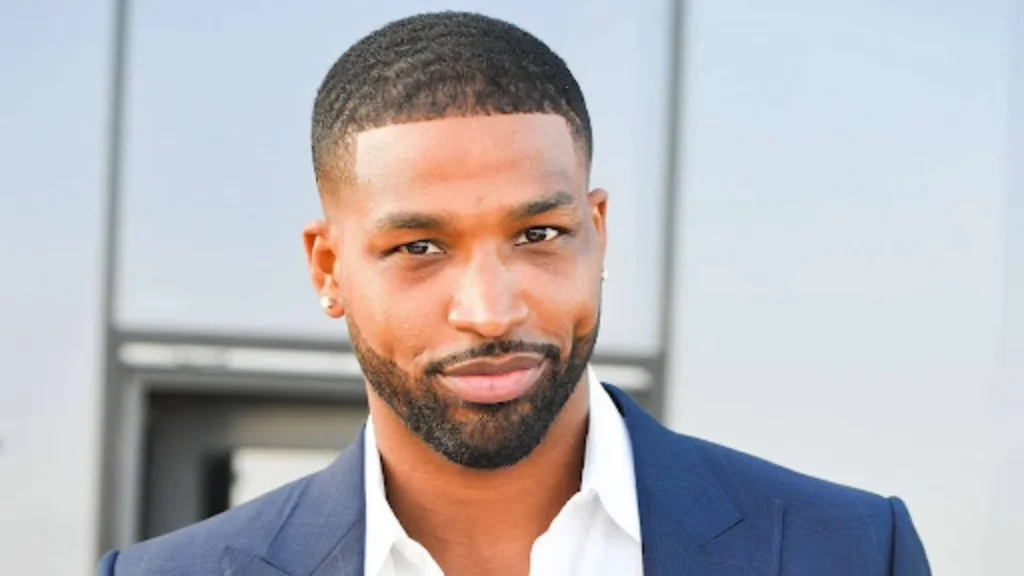
Tristan is an NBA Champion and Co-Founder of the Web3 sports platform Basketball.fun, where he is pioneering new models for fan engagement and athlete ownership. A seasoned entrepreneur and investor in the blockchain space, his work has been featured in Forbes, Cointelegraph, Decrypt, The Block, and on CNBC Crypto World. He is a leading voice on athlete empowerment through Web3 technology.