Key Takeaways
- South Korea’s Digital Basic Act paved the way for KRW stablecoins earlier this year.
- Various banks and fintech as actively building in the space.
- Early developments highlight Avalanche and Solana.
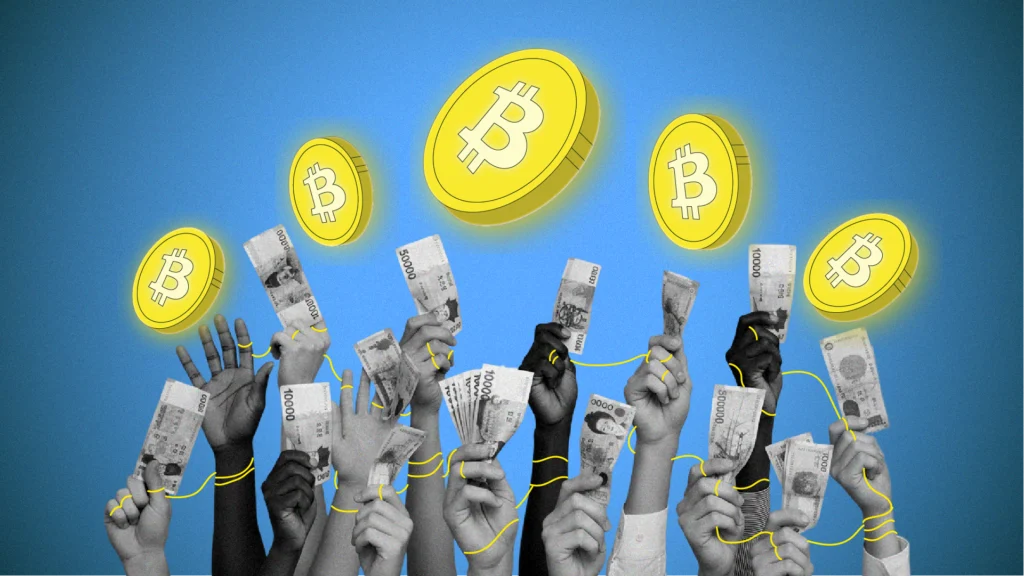
In September, BDACS developed a proof-of-concept for KRW1, which could become the first won-pegged stablecoin to hit the market since South Korea passed the Digital Basic Act. But other potential issuers aren’t far behind.
Significantly, the first wave of South Korean stablecoins aren’t built on Ethereum. Instead, KRW1 and other tokens under development leverage alternative blockchains like Avalanche and Solana.
BDACS and Woori Bank Claim First Tokenized KRW
While branded as a stablecoin, under the current model, KRW1 is better thought of as a deposit token. Although not directly issued by a bank like JPMorgan’s JPM Coin and similar tokenized deposits, it is fully backed by cash reserves, not government bonds.
Tokens are issued and administered by digital asset custody specialist BDACS, with fiat reserves held in a segregated account at Woori Bank.
KRW1 was initially launched on Avalanche, which BDACS selected for its “technological excellence.” According to the project website, the stablecoin will eventually be rolled out on other networks.
Solana-Wavebridge Partnership Targets Financial Institutions
In the latest development in South Korea’s nascent stablecoin scene, crypto startup Wavebridge has partnered with the Solana Foundation.
According to a Memorandum of Understanding (MoU) announced on Tuesday, Oct. 14, the two organizations will develop KRW stablecoin infrastructure for financial institutions.
The partnership aims to help Korean banks and asset managers deploy new on-chain products, including stablecoins and tokenized investment products.
Courting Potential Stablecoin Issuers
The Solana Foundation’s partnership with Wavebridge points to the opportunity that new KRW stablecoins present for blockchain adoption.
With its proof-of-concept, BDACS appears to lead the race, granting Avalanche a first-mover advantage.
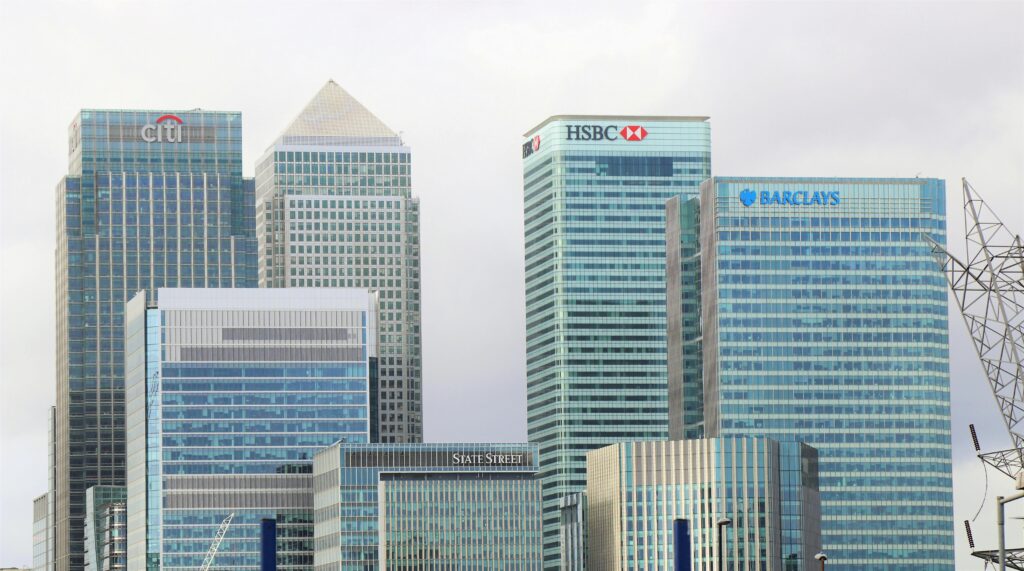
However, KRW1 may not be able to compete with the institutional weight of a stablecoin coalition formed by nine of South Korea’s largest banks. And that isn’t the only initiative underway.
After lawmakers passed the Digital Basic Act, major banks and payment companies filed a string of trademark applications that suggest many have ambitions in the space. But if any are actively building, they are doing so behind closed doors.
Against this backdrop, Solana’s infrastructure pitch could give it an edge. As large institutions explore their options, offering the tools to deploy at scale and build additional services helps make the case for using Solana as their preferred blockchain rail.
For now, KRW stablecoins remain exploratory. While the Digital Basic Act set the stage for legalization, the government is still ironing out the finer details of regulation.
Once a proper framework is in place, however, the South Korean market is primed for a rush of innovation.

James Morales is CCN’s blockchain and crypto policy reporter. He has been working in the news media since 2020, writing about topics such as payments, banking and financial technology. These days, he likes to explore the latest blockchain innovations and the evolving landscape of global crypto regulation.
With an educational background in social anthropology and media studies, James uses his platform as a journalist to explore how new technologies work, why they matter and how they might shape our future.