Key Takeaways
- U.S. Treasury Secretary says the government will not buy Bitcoin for its reserve.
- The BTC reserve will rely solely on confiscated coins from criminal cases.
- The U.S. currently holds between $15–$20 billion worth of Bitcoin.
The dream of an active, market-buying U.S. Bitcoin reserve may be further off than Bitcoin proponents had hoped.
Instead of regular BTC purchases, the Treasury now plans to build its reserve entirely from Bitcoin seized in criminal and civil cases.
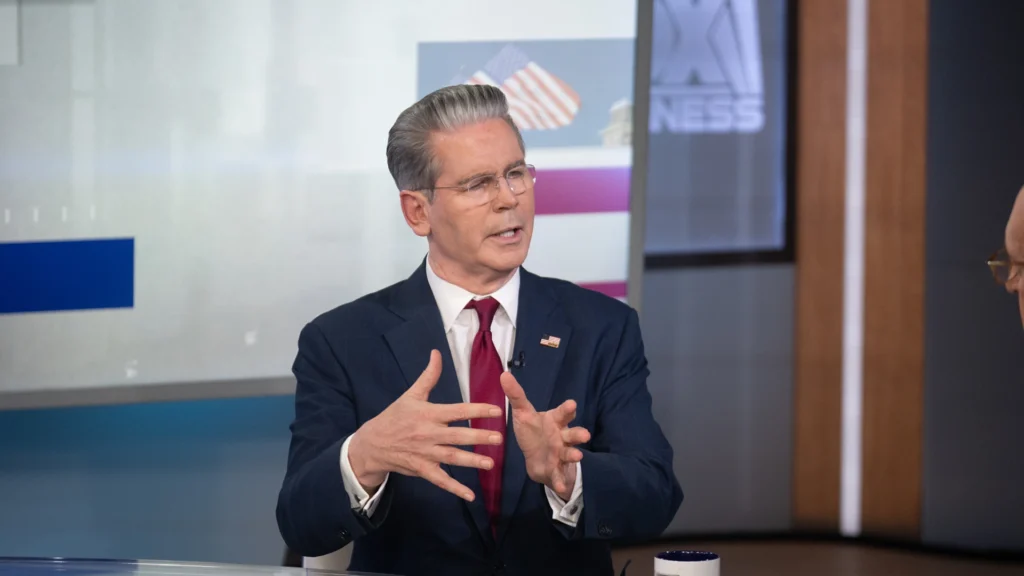
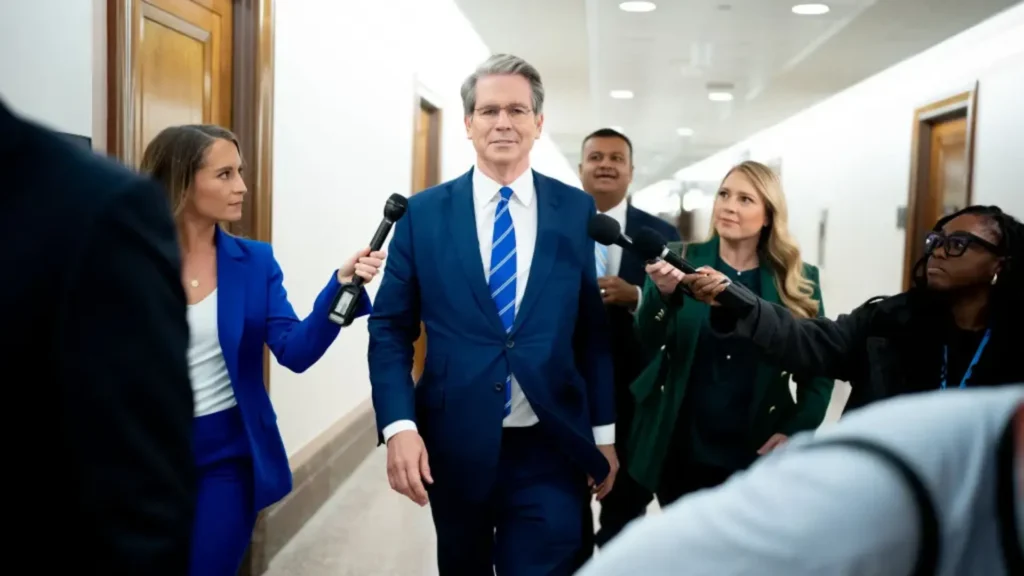
In a recent interview with Fox, U.S. Treasury Secretary Scott Bessent said the government has no plans to purchase BTC directly from the market.
Bessent Clarifies the U.S. Position on Bitcoin
Bessent explained that the administration is looking at budget-neutral ways to expand its Bitcoin holdings while fulfilling President Trump’s pledge to make the United States the “Bitcoin superpower of the world.”
This means the reserve will grow only through Bitcoin confiscated by law enforcement — coins already in government custody after seizures related to criminal activity.
Since taking office in January, Trump has delivered on several pro-crypto promises.
However, one key pledge, the creation of a strategic BTC reserve, remains in limbo, with shifting plans and no clear roadmap from Washington.
From Active Purchases to Seized Holdings
The reserve idea has gone through multiple iterations. It was initially pitched as a basket of crypto assets for the U.S. Treasury, then scaled back to a Bitcoin-only strategy.
The latest version scraps market purchases entirely, relying solely on seized BTC.
The U.S. already holds between $15–$20 billion in Bitcoin from criminal seizures, but many in the Bitcoin community had expected active buying — a move that would have signaled strong government endorsement of BTC as a strategic asset.
Instead, critics say the current approach is a passive holding strategy with no market impact, unlike corporate players such as Strategy, whose consistent buying has helped legitimize Bitcoin and generated more than $30 billion in unrealized gains.
Backlash From the Bitcoin Community
The announcement has disappointed many Bitcoin advocates, who argue the administration is walking back its promise of an active, strategic reserve.
Some accused Washington’s crypto lobby of misleading voters, while others warned that relying solely on seized assets undermines Bitcoin’s position as a credible reserve asset in the eyes of global markets.
For now, the U.S. Bitcoin reserve remains a passive treasury — one that grows only when someone else breaks the law.

Prashant Jha is a seasoned crypto journalist based in Delhi, India, with a Bachelor’s Degree in Computer Science Engineering. Passionate about the evolving world of blockchain and cryptocurrencies, he has been a dedicated voice in the industry since 2018. Prashant’s expertise lies in regulatory reporting, where he unravels complex legal and financial developments with clarity and precision. Before joining CCN in 2024, he honed his craft at Cointelegraph, establishing himself as a trusted name in crypto journalism.
His coverage spans major industry events, including the high-profile collapses of FTX, Three Arrows Capital (3AC), and LUNA, offering readers insightful analyses of their regulatory and market implications. Prashant’s technical background enables him to bridge the gap between intricate blockchain technology and its real-world applications, making his work accessible to novices and experts.
Beyond his professional pursuits, Prashant is an avid music enthusiast, often exploring diverse genres to unwind. A sports lover, he has a particular passion for cricket and frequently engages in discussions about the game. His multifaceted interests and sharp journalistic instincts make him a valuable contributor to CCN, where he continues shaping the crypto landscape's narrative.