Key Takeaways
- South Korea’s pro-crypto center-left presidential candidate wins election.
- Lee Jae-myung promised to lift the ETF ban, work on stablecoin regulations, and more.
- Jae-myung won 49% of the total votes.
South Korea has elected a new president with a clear stance on crypto.
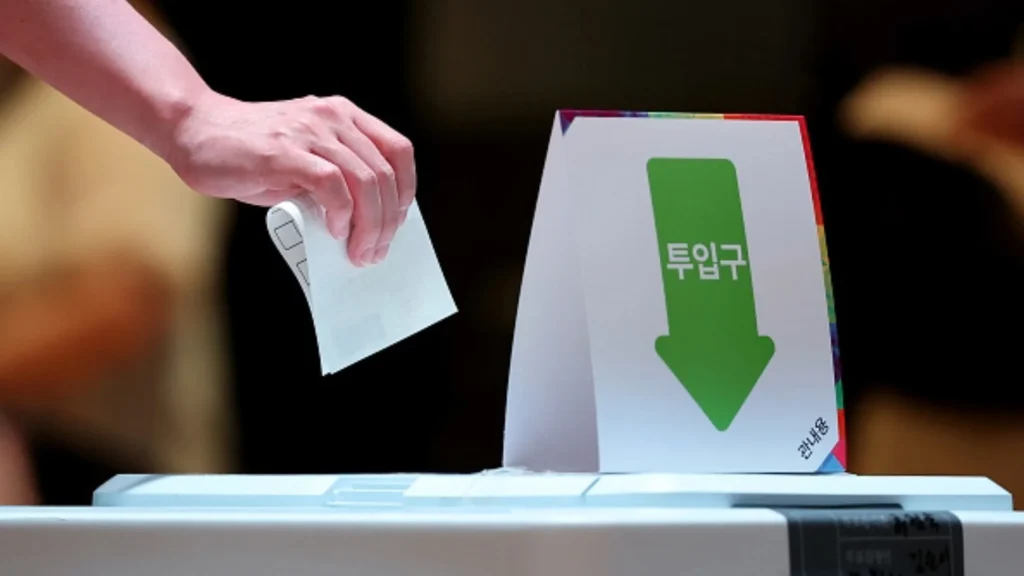
Lee Jae-myung, a center-left candidate from the Democratic Party, secured victory with 49% of the vote following a campaign that positioned digital asset regulation as a key priority.
Lee Jae-myung Wins Korean Presidential Election
The National Election Commission confirmed Lee’s win on June 4, beating conservative Kim Moon-soo of the People Power Party, who trailed with 41%.
Lee’s campaign centered on a range of crypto-forward proposals, including lifting the country’s ban on spot Bitcoin (BTC) exchange-traded funds (ETFs) and enabling state-backed pension funds to gain exposure to digital assets.
South Korea has seen pro-crypto leaders before, but past administrations have struggled to deliver on campaign promises.
The most recent example saw momentum stall after political upheaval and policy setbacks.
With a fresh mandate and a growing global focus on crypto policy, Lee’s administration now faces high expectations from the local digital asset industry.
Crypto Promises Under the New Administration
Lee’s agenda includes finalizing the second phase of South Korea’s two-part digital asset regulation framework.
This upcoming legislation is expected to address stablecoin oversight, exchange transparency, and investor protections.
He has also proposed launching a Korean won-backed stablecoin and expanding the role of digital assets in state-managed portfolios.
South Korea joins a growing list of countries where crypto has become a defining campaign issue.
Following Donald Trump’s successful 2024 bid that prominently featured crypto policy, digital assets have become more prominent in political platforms worldwide.
Lee’s win signals continued momentum for crypto in South Korea—but how far that translates into policy change remains to be seen.

Prashant Jha is a seasoned crypto journalist based in Delhi, India, with a Bachelor’s Degree in Computer Science Engineering. Passionate about the evolving world of blockchain and cryptocurrencies, he has been a dedicated voice in the industry since 2018. Prashant’s expertise lies in regulatory reporting, where he unravels complex legal and financial developments with clarity and precision. Before joining CCN in 2024, he honed his craft at Cointelegraph, establishing himself as a trusted name in crypto journalism.
His coverage spans major industry events, including the high-profile collapses of FTX, Three Arrows Capital (3AC), and LUNA, offering readers insightful analyses of their regulatory and market implications. Prashant’s technical background enables him to bridge the gap between intricate blockchain technology and its real-world applications, making his work accessible to novices and experts.
Beyond his professional pursuits, Prashant is an avid music enthusiast, often exploring diverse genres to unwind. A sports lover, he has a particular passion for cricket and frequently engages in discussions about the game. His multifaceted interests and sharp journalistic instincts make him a valuable contributor to CCN, where he continues shaping the crypto landscape's narrative.